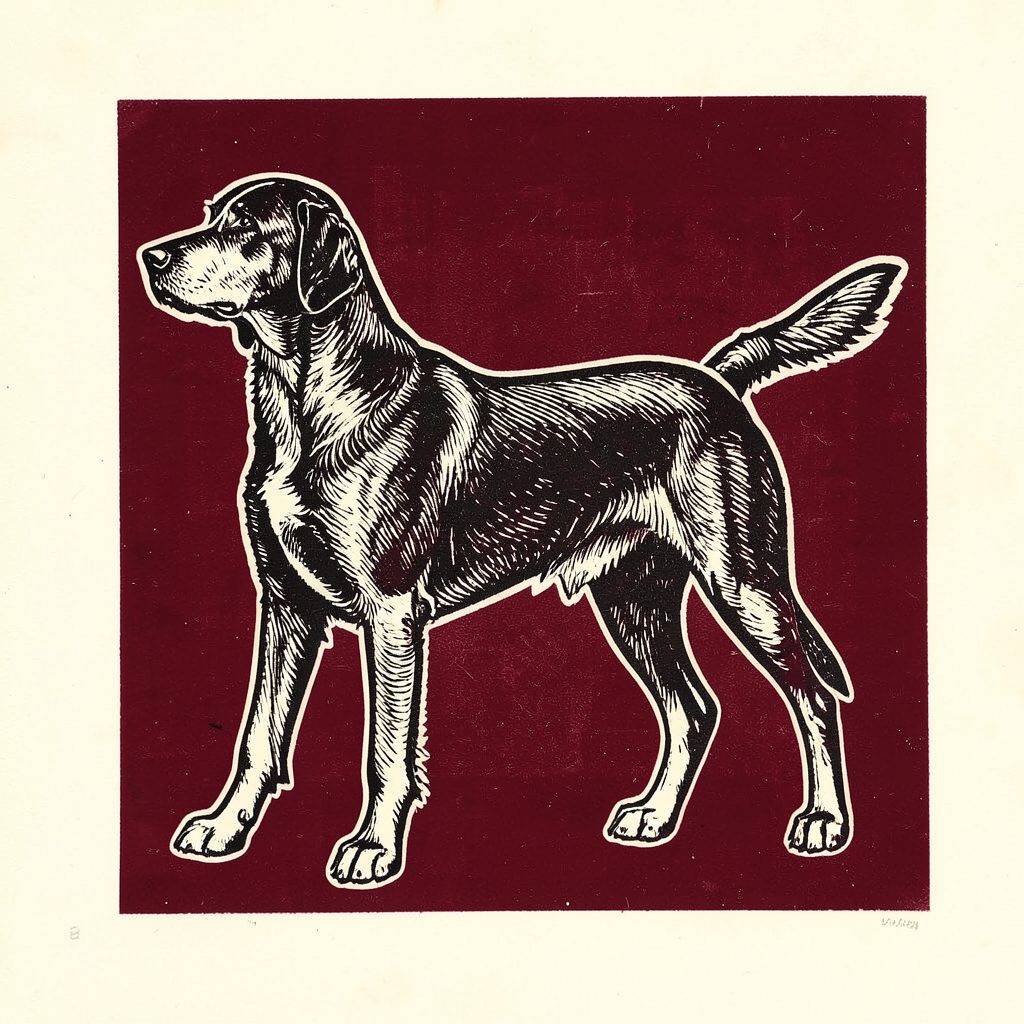
Adopting a Senior Dog: What to Expect and How to Help
Bringing an older dog into your home can be deeply rewarding. Senior dogs often have established personalities, calmer energy levels, and a clearer ability to show people what they enjoy. They may already understand household routines and basic manners, making it easier to build a relationship based on trust.
At the same time, an aging dog may arrive with medical needs, past experiences, or habits that require patience. The first days are less about immediate perfection and more about creating safety, learning your companion’s signals, and establishing dependable care.
For families in DeLand and throughout West Volusia County, local dog clubs, adoption resources, veterinarians, and responsible pet owners can provide practical support. A thoughtful adoption plan helps an older dog settle comfortably while preparing your household for the changes that come with senior pet care.
Why Older Dogs Make Wonderful Companions
A senior dog can be an excellent match for people who prefer a quieter household. Many older dogs need less intense exercise than puppies and are content with walks, gentle play, enrichment toys, and time beside their people. Their temperament is often easier to assess because their adult personality is already developed.
Older dogs also have plenty of companionship to offer. Some are affectionate and social, while others are independent or cautious until they feel secure. Adoption staff, foster families, or previous caregivers may be able to explain the dog’s preferences, history, activity level, and response to children or other animals.
Age should not be treated as a defect. A dog entering its later years may still enjoy adventures, training games, car rides, and new experiences. The right match depends on health, personality, and lifestyle rather than a number alone.
Preparing Your Home Before Adoption
Before bringing a senior dog home, arrange a veterinary appointment and collect any available medical records. Ask about vaccinations, dental health, arthritis, vision, hearing, allergies, medication, weight, and recommended diagnostic tests. Knowing the dog’s baseline makes it easier to recognize changes later.
Make the home easy to navigate. Place food and water where the dog can reach them without using stairs, and provide a supportive bed in a quiet area. Non-slip rugs can help dogs with weak legs or joint discomfort, while ramps may be safer than jumping into vehicles or onto furniture.
Keep the first environment simple. Limit visitors, loud activity, and unfamiliar outings during the early adjustment period. A predictable schedule for meals, bathroom breaks, walks, rest, and medication helps reduce anxiety and gives the dog clues about what to expect.
Understanding the Adjustment Period
Adoption can be emotionally tiring for an older dog, even when the new home is loving. The dog may sleep more than expected, eat cautiously, hide, follow you everywhere, or seem unusually quiet. These behaviors can reflect stress and uncertainty rather than a permanent temperament.
Give the dog room to observe without demanding interaction. Invite contact instead of forcing petting, and use calm praise when the dog chooses to approach, relax, or respond to its name. Children should learn to leave the dog alone while it eats or rests and should always interact with adult supervision.
Keep a written record during the first few weeks. Note appetite, water intake, bowel movements, sleep, mobility, coughing, scratching, and reactions to household events. Patterns can help your veterinarian identify concerns and can also reveal what makes the dog feel comfortable.
| Area of care | What to expect | Helpful response |
|---|---|---|
| Exercise | Shorter walks or slower movement | Use gentle, regular activity and allow rest |
| Sleep | More frequent naps | Provide a quiet, comfortable bed |
| Training | Familiar habits may vary in a new home | Use reward-based practice and consistent cues |
| Health | Dental, joint, vision, or hearing issues may appear | Schedule examinations and follow treatment plans |
| Social behavior | The dog may need time before showing its full personality | Respect boundaries and introduce people gradually |
Supporting Health And Mobility
Senior dog care often centers on comfort and prevention. A veterinarian can recommend an appropriate diet, weight goal, pain-management plan, dental care routine, and schedule for wellness visits. Never give human medication unless a veterinary professional specifically directs you to do so.
Mobility changes deserve close attention. Difficulty rising, reluctance to use stairs, limping, slipping, or sudden irritability can signal pain. Gentle walks on even ground may be helpful, but exercise should be adjusted to the dog’s condition rather than based on a fixed distance.
Mental stimulation remains important. Snuffle mats, scent games, food puzzles, short obedience sessions, and easy trick training can keep an older dog engaged without placing heavy demands on the joints. If hearing or vision has declined, rely more on hand signals, touch cues, and consistent lighting.
Building Trust Through Daily Training
Adopting an older dog does not mean training is finished or impossible. A senior dog can learn household rules, new cues, and confidence-building routines. Start with simple behaviors such as responding to a name, walking calmly, waiting at doors, and settling on a bed.
Use small treats, praise, and repetition. Punishment can increase fear and confusion, especially when the dog has an unknown history or sensory limitations. If accidents occur, clean them calmly and consider whether the cause could be medical, emotional, or related to a changed schedule.
Obedience training can strengthen communication at any age. West Volusia residents interested in learning with their dogs can explore club membership to connect with an AKC-affiliated local organization and its dog-centered activities. A supportive training environment can help both the dog and adopter develop realistic expectations.
Creating A Support Network
A reliable support system makes senior pet ownership easier. Identify a veterinarian, emergency clinic, groomer, pet sitter, and trusted person who can help if you travel or face an unexpected situation. Keep medication instructions, veterinary contacts, and the dog’s daily routine in an accessible place.
Community involvement can also provide encouragement and useful education. Local events, responsible ownership programs, adoption listings, and conversations with experienced handlers may offer insight into behavior, nutrition, exercise, and aging. West Volusia Kennel Club’s broader activities reflect the value of informed, engaged dog ownership.
Before adopting, consider the long-term financial and emotional commitment. Older dogs may need more frequent veterinary appointments, special diets, dental procedures, mobility aids, or medication. Planning for these expenses protects the dog’s quality of life and reduces stress for the household.
Practical Steps For A Successful Adoption
A realistic plan helps transform good intentions into dependable care. Focus on the dog’s individual needs instead of assuming every senior dog behaves the same way. Some will settle quickly; others may need months to become confident.
- Schedule a veterinary wellness visit soon after adoption and discuss preventive care.
- Establish consistent meal, medication, bathroom, sleep, and exercise routines.
- Use non-slip surfaces, supportive bedding, and ramps where mobility requires them.
- Introduce guests, children, pets, and new environments slowly and with supervision.
- Track behavior and health changes so concerns can be addressed early.
The most important resource is patience. A senior dog may repay quiet consistency with trust, affection, and a companionship that feels especially meaningful because it was built deliberately. Celebrate small progress, such as resting in the open, accepting gentle handling, or choosing to stay near the family.
Adoption is a commitment to care for the whole dog, including its history, habits, limitations, and changing needs. When families prepare carefully and seek qualified support, older dogs can thrive in their new homes. Explore local adoption opportunities and responsible dog ownership resources through West Volusia Kennel Club, then take the next step toward giving a senior companion a safe, comfortable place to belong.