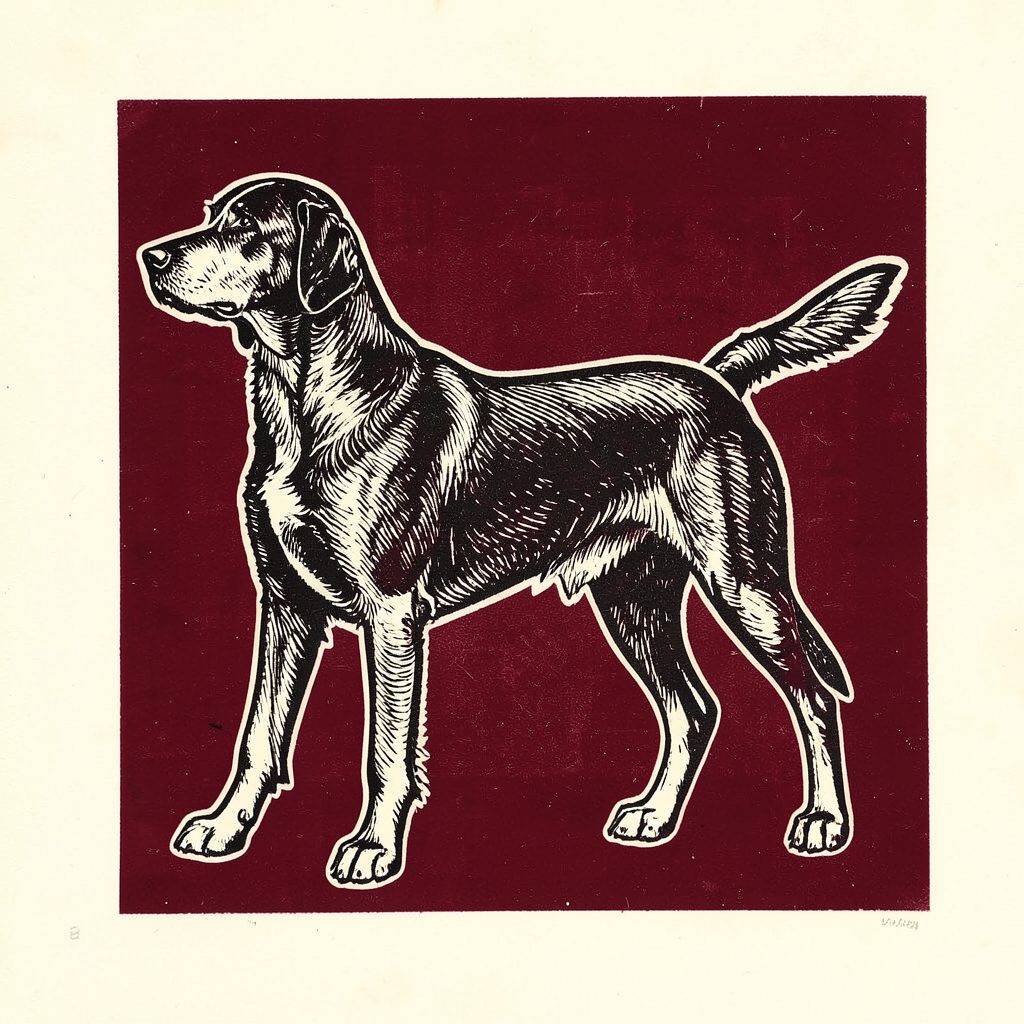
Breeding Ethics: When To Avoid A Litter
Breeding dogs is a serious responsibility that extends far beyond pairing a healthy male and female. A planned litter affects the dam, the puppies, future owners, rescue organizations, and the broader canine community. Ethical breeding requires careful judgment, accurate health information, and the willingness to cancel a breeding when the welfare risks are too high.
The desire for puppies, a promising pedigree, or a chance to preserve a cherished bloodline should never outweigh the animals’ well-being. Responsible breeders make decisions based on temperament, genetic health, age, reproductive readiness, and the ability to provide lifelong support for every puppy produced.
Avoiding a litter is sometimes the most conscientious choice available. It can prevent inherited disease, protect a female from an unsafe pregnancy, and reduce the number of dogs entering shelters or unsuitable homes. Good breeding decisions begin with knowing when not to proceed.
Health Testing Must Come First
A dog that appears energetic and healthy may still carry inherited conditions. Breed-specific screening can identify risks involving the hips, elbows, eyes, heart, thyroid, patella, or other systems. Depending on the breed, DNA testing may also reveal carrier status for diseases that could affect puppies or future generations.
Health testing should be completed before mating, interpreted carefully, and documented through reputable veterinary or breed organizations. A clear result does not guarantee perfect puppies, but breeding without appropriate screening leaves preventable risks to chance. If either dog has an unresolved condition, questionable results, or a family history of serious disease, postponing or avoiding the litter is the ethical response.
A breeding plan should also account for the health of close relatives. One dog’s test results do not tell the entire genetic story. Repeated problems in parents, siblings, or previous offspring may signal a pattern that deserves professional evaluation before any mating takes place.
Age, Reproductive History, And Physical Readiness
A female should not be bred simply because she has reached sexual maturity. Young dogs may still be developing physically and behaviorally, and they may not have completed the recommended health evaluations. Pregnancy and nursing place substantial demands on the body, so maturity and veterinary assessment are essential.
Advanced age can also make pregnancy, delivery, and recovery more dangerous. A previous difficult birth, emergency cesarean section, inadequate milk production, or serious postpartum complication should be reviewed with a reproductive veterinarian. In some cases, another pregnancy could place the dam’s life at unacceptable risk.
Breeding should be avoided when a dog is underweight, obese, chronically ill, recovering from surgery, or showing reproductive abnormalities. A female who is anxious, unstable, or unable to cope with handling may also pass along temperament concerns or experience unnecessary distress during pregnancy and puppy care.
Temperament Is A Breeding Trait
Physical beauty, titles, and pedigree do not compensate for unstable behavior. Dogs displaying unpredictable aggression, extreme fear, severe separation distress, or poor recovery from ordinary stress should not be bred. Temperament has hereditary components, and a difficult behavioral pattern can create serious challenges for both puppies and their future families.
A dog’s behavior should be assessed across settings, not only at home or during a show. Observations from trainers, veterinarians, judges, and experienced handlers can provide a fuller picture. A single nervous reaction does not automatically disqualify a dog, but persistent or severe problems require honest evaluation.
Breeders also need to examine their motivation. If the goal is to produce puppies with a certain appearance while overlooking anxiety, reactivity, or weak social behavior, the breeding program is moving away from responsible ownership. Stable, functional temperament should be treated as a core health consideration.
Circumstances That Call For A Pause
Some warning signs are clear reasons to delay or abandon a planned litter. The following situations deserve careful review before a mating is considered:
- Required health clearances are missing, expired, contradictory, or not verifiable.
- The dam or sire has a serious hereditary disease, unstable temperament, or unresolved medical issue.
- Pregnancy could endanger the female because of age, body condition, reproductive history, or anatomy.
- There is no realistic plan for veterinary care, emergency delivery, puppy socialization, or lifelong breeder support.
- Suitable homes have not been carefully identified, and local shelters or rescues are already under strain.
A breeder should also pause when financial resources are inadequate. Routine prenatal care, emergency treatment, vaccinations, microchipping, nutrition, and neonatal support can become expensive quickly. A responsible plan includes funds for complications rather than assuming that everything will proceed normally.
Timing matters as well. Major household changes, relocation, illness, limited availability, or a lack of experienced help can make puppy raising unsafe. Choosing not to breed during a difficult season protects the dam and gives future puppies a better chance at stable early development.
Planning For Puppies And Their Homes
Ethical breeding continues after conception. Before proceeding, breeders should understand the time required for nutrition, sanitation, developmental monitoring, safe socialization, veterinary visits, registration, and individual placement. Puppies need more than food and shelter; they require thoughtful experiences that support resilience and sound behavior.
Prospective owners should be screened for lifestyle, housing, activity level, breed experience, and long-term expectations. Written contracts can clarify health disclosures, return policies, spay or neuter arrangements, and the breeder’s responsibility to take back or help rehome a dog if circumstances change.
If the breeder cannot provide this level of care, the litter should be postponed. Enrichment planning matters even before puppies go to new homes, and owners can learn useful principles from resources on indoor dog stimulation. Thoughtful preparation helps prevent boredom, unrealistic expectations, and avoidable relinquishment.
| Concern | Questions To Review | Ethical Decision |
|---|---|---|
| Genetic health | Are recommended screenings complete and documented? | Avoid or delay breeding if risks remain unclear |
| Physical readiness | Is the dam mature, fit, and medically cleared? | Postpone until ready or retire her from breeding |
| Temperament | Are both dogs stable, social, and emotionally sound? | Do not breed dogs with serious behavioral concerns |
| Emergency planning | Are veterinary support and funds available? | Wait until a realistic care plan exists |
| Puppy placement | Are qualified homes identified and supported? | Do not produce a litter without placement planning |
Responsible Alternatives To Producing Puppies
Avoiding a litter does not mean ending a dog’s meaningful role. A well-trained dog can participate in obedience, conformation, scent work, therapy activities, educational events, or community programs. These pursuits can strengthen the human-animal bond while allowing the dog’s abilities to be appreciated without adding reproductive risk.
Some owners may decide that adoption, fostering, or supporting a responsible breeder is a better choice than breeding their own dog. Others may invest in training and enrichment, helping their companion thrive in daily life. West Volusia Kennel Club’s community programs and services reflect the many constructive ways people can participate in the dog community.
Retirement from breeding should also be viewed positively. A dog can have a rewarding life after producing no litters or completing a carefully limited breeding career. Spaying may be recommended by a veterinarian when breeding is ruled out, although timing should be discussed based on the individual dog’s breed, age, health, and lifestyle.
Making A Decision With Professional Guidance
A veterinarian with experience in reproduction can evaluate physical readiness, review screening results, estimate pregnancy risks, and explain possible complications. Breed clubs, qualified trainers, genetic counselors, and established mentors can add valuable perspective, especially when a concern involves family history or temperament.
The decision should be based on evidence rather than pressure, sunk costs, or emotional attachment to a breeding plan. A planned mating can be canceled at any stage if new information changes the risk assessment. Ethical breeders understand that a responsible “no” protects living animals more effectively than a hopeful “maybe.”
When the welfare standard cannot be met, choosing not to produce a litter is an act of care. It protects the dam, avoids preventable suffering, supports healthier breeding practices, and demonstrates respect for the families who may someday depend on the breeder’s honesty.
Connect with West Volusia Kennel Club to learn more about responsible dog ownership, training, local activities, and informed participation in the canine community. Thoughtful decisions today help create healthier dogs and stronger lifelong relationships tomorrow.