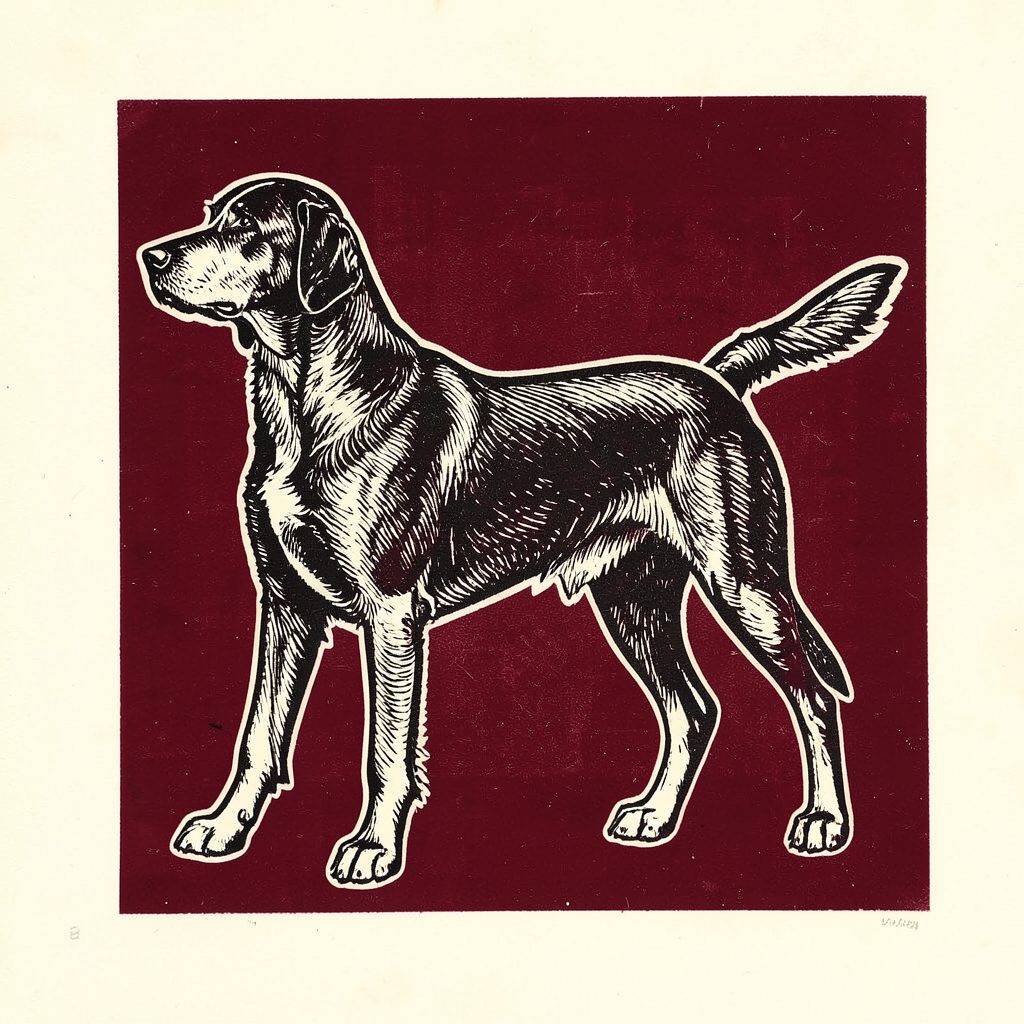
Creating a home obstacle course for fun and training
A home obstacle course can turn an ordinary living room, hallway, or fenced yard into a practical training space. Dogs learn to follow cues, manage their bodies, and solve simple problems while staying mentally engaged. The setup does not need expensive agility equipment or a large property. A few safe household items, thoughtful spacing, and short sessions are enough to begin.
For West Volusia owners, this kind of activity complements formal obedience training and everyday responsible dog ownership. It can help a young dog build confidence, give an energetic adult an appropriate outlet, or provide a senior dog with gentle movement suited to its abilities.
The best course is designed around the individual dog. Age, size, fitness, temperament, and previous training should determine the height of obstacles, the pace of the session, and the surfaces you use. Fun comes first, while safety and clear communication guide every exercise.
Start with safety and a clear purpose
Before moving furniture or collecting equipment, decide what you want your dog to practice. A beginner course might focus on walking beside you, waiting at stations, responding to “sit” and “stay,” and moving calmly around objects. A more experienced dog may work on directional cues, body awareness, and a sequence of several behaviors.
Inspect the training area carefully. Remove sharp objects, unstable furniture, loose cords, toxic plants, and anything that could be swallowed. Use a nonslip surface wherever possible. Hardwood, tile, and smooth concrete can make turning hazardous, especially for puppies, large breeds, and older dogs. Yoga mats, rubber runners, or carpet tiles can create safer lanes.
Never force a dog over an obstacle or pull it through a section of the course. Reward investigation and small attempts. If your dog shows stress, slips, pants excessively, or loses interest, lower the difficulty and allow a break. A course should build trust rather than test endurance.
Choose simple equipment and smart spacing
Household objects can become useful agility props when they are stable and easy to move. A broom resting across two sturdy, low supports can create a ground-level step-over. Cardboard boxes can form a weaving path, while a laundry basket may serve as a target for nose touches or toy delivery. A blanket draped over chairs can become a short tunnel if the structure cannot collapse.
For outdoor practice, use cones, pool noodles, wide boards placed flat on the ground, and stable platforms with rounded edges. Avoid narrow elevated surfaces, plastic bags, slippery tarps, and anything that can topple suddenly. Jumping should be introduced carefully, and high jumps are inappropriate for growing puppies or dogs with joint concerns.
Leave enough room between stations for your dog to slow down and turn. A crowded layout encourages rushing and may cause collisions. Start with three or four obstacles in a straight line, then change the direction once your dog understands the individual tasks. Keep treats, a water bowl, and a favorite toy nearby, but outside the running path.
Teach each station before linking the course
Break every obstacle into a separate lesson. To teach a tunnel, reward your dog for looking at it, approaching it, placing one paw inside, and eventually walking through. For a weave pattern, begin with two widely spaced objects and guide your dog through with a treat or target hand. Gradually add stations only when the earlier behavior is relaxed and reliable.
Use consistent verbal cues and hand signals. Words such as “through,” “around,” “over,” “touch,” and “wait” work well when they are brief and used the same way each time. Mark the desired action with a clear “yes” or a click, then deliver the reward promptly. This helps the dog understand which movement earned reinforcement.
Once individual skills are familiar, connect two exercises and reward completion. Later, vary the order so your dog learns to listen rather than memorize a fixed route. End while the dog is still eager. Several two- to five-minute sessions are usually more productive than one long workout.
| Course element | Training goal | Beginner setup | Safety note |
|---|---|---|---|
| Ground poles | Coordination and careful stepping | One broom or pool noodle on the floor | Keep it low and stable |
| Cardboard tunnel | Confidence and forward movement | Open box or soft tunnel | Remove tape, staples, and loose pieces |
| Cones or boxes | Turning and handler focus | Two objects several feet apart | Widen the path for large dogs |
| Low platform | Paws-up, balance, and body awareness | Flat, nonslip board on the ground | Do not use unstable furniture |
| Target station | Nose touch, focus, and impulse control | Lid, mat, or sturdy object | Reward calm contact, not pawing |
Blend obstacle work with obedience
A home agility course becomes more useful when each station includes an obedience behavior. Ask for a sit before entering the tunnel, a wait before crossing the ground poles, or a hand target after moving around a cone. These pauses teach self-control and make the activity relevant to daily life.
Practice coming when called from one station to the next. You can also place a mat beside the course and send your dog to settle there while you rearrange equipment. This combination of movement and stillness supports polite behavior in busy homes, training classes, and community settings.
Conformation prospects can benefit from careful walking patterns, attention to the handler, and standing calmly on a stable surface. Dogs preparing for obedience work can practice heel position, stays, recalls, and clean finishes. The goal is not to replace specialized instruction, but to reinforce foundational skills between classes.
Keep the environment free from distractions while teaching a new behavior. Once your dog is consistent, add mild challenges such as a different room, a new object, or another family member observing quietly. If you are also organizing other activities at home, plan them separately from training; even practical household guides such as registering poker machines should not become part of a dog’s exercise area or create an uncontrolled distraction.
Make the experience mentally rewarding
Physical movement is only one part of an obstacle course. Let your dog investigate new items, choose between two routes, and work out how to reach a reward. Scatter a few treats at the end of a simple path, hide a toy behind a box, or place a food puzzle near the finish. These activities encourage thoughtful movement instead of frantic speed.
Use rewards that match the dog and the exercise. Small soft treats are convenient for repeated practice, while a toy may motivate a dog that enjoys chasing or tugging. Some dogs prefer praise and permission to sniff. Vary the reinforcement while keeping the criteria clear, so the dog remains interested without becoming overexcited.
Invite children to participate only with close adult supervision. They can help place cones, give a cue, or celebrate quietly, but they should never climb on the equipment, chase the dog, or reach for treats while the dog is moving. A calm family routine teaches the dog that training is cooperative and predictable.
Adapt the course to your dog
Puppies should use low-impact activities such as walking around markers, stepping over flat poles, targeting a hand, and settling on a mat. Avoid repetitive jumping, sharp turns, and prolonged running while bones and joints are developing. Older dogs may enjoy scent trails, gentle platforms, wide paths, and slow directional changes more than traditional agility exercises.
Large or heavy dogs need broad routes and sturdy equipment, while small dogs may require shorter obstacles and closer rewards. Nervous dogs benefit from open designs with no enclosed tunnel at first. Confident dogs may need more impulse-control work to prevent rushing. Dogs with pain, mobility limitations, or a history of orthopedic problems should receive veterinary guidance before starting.
Practical habits for better sessions
- Warm up with a short walk and a few easy cues before using obstacles.
- Keep jumps low or replace them with ground poles and stepping exercises.
- Reward calm behavior at the start, finish, and between stations.
- Change only one part of the course at a time when increasing difficulty.
- Record brief notes about what your dog enjoys, avoids, or needs to practice.
A home course can also support adoption transitions and community education. A newly adopted dog may gain confidence from predictable games, while experienced handlers can use the setup to demonstrate humane training techniques. Activities that emphasize patience, safe handling, and positive reinforcement reflect the responsible ownership values promoted by local kennel clubs.
Set up three safe stations this week and give your dog a few minutes to explore them without pressure. Build from simple movements to short sequences, celebrate steady progress, and keep the equipment ready for regular practice. For additional obedience, conformation, membership, and community opportunities in DeLand and West Volusia County, connect with West Volusia Kennel Club and make training a rewarding part of everyday life.