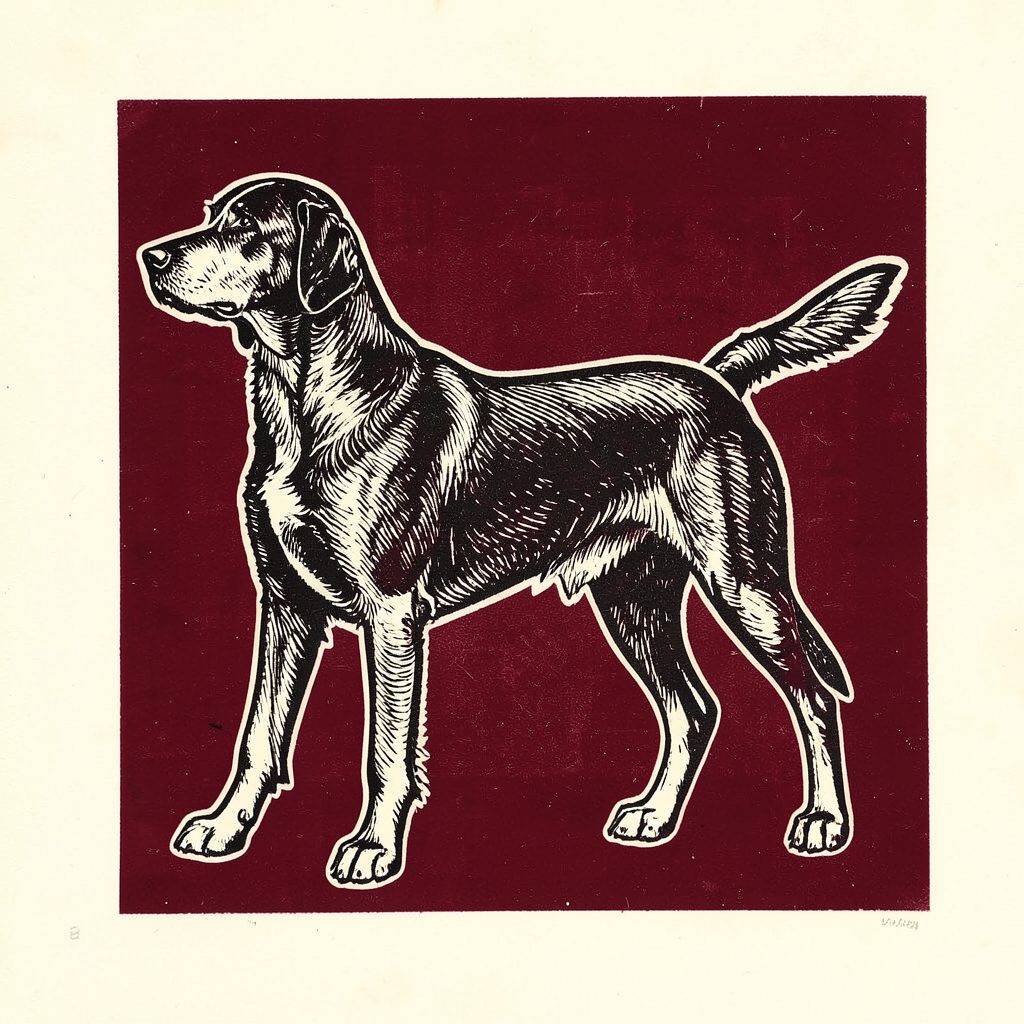
Helping Rescue Dogs Feel Safe When They Are Alone
A rescue dog may struggle when a trusted person leaves because separation can bring back memories of abandonment, shelter stays, repeated homes, or long periods without dependable care. The resulting barking, pacing, scratching, house-soiling, or escape attempts are signs of distress rather than stubbornness.
Separation anxiety in rescue dogs can improve with patience, thoughtful routines, and gradual training. The goal is to teach the dog that departures are temporary and that calm behavior is safe. Progress may take weeks or months, especially when fear has been reinforced over time.
Every dog responds differently. Age, health, temperament, previous experiences, and the length of time in the new home all affect the process. A calm plan, professional guidance when needed, and realistic expectations give a newly adopted companion the best opportunity to settle.
Understand What Your Dog Is Communicating
An anxious dog often begins reacting before the person actually leaves. Picking up keys, putting on shoes, opening a specific door, or reaching for a work bag can become a trigger. The dog may follow closely, pant, whine, tremble, stare, or try to block the exit.
After departure, distress can appear as vocalizing, destructive chewing, digging at doors, drooling, vomiting, urinating, or attempting to escape through windows. A camera can help identify when symptoms begin and whether the dog eventually settles. It also shows whether the issue occurs only during isolation or whenever a particular person leaves.
Avoid punishing damage or accidents discovered after returning home. Dogs do not connect delayed punishment with an earlier action, and reprimands can make the next departure more frightening. Clean up quietly and focus on preventing another episode while building emotional security.
Establish Security Before Practicing Departures
A predictable daily rhythm helps a rescue dog understand what happens next. Feed, walk, rest, train, and play at reasonably consistent times. Regularity cannot erase anxiety by itself, but it reduces the number of surprises and makes the household easier to interpret.
Create a comfortable resting area with a bed, water, and safe enrichment. Some dogs relax in a crate, while others become more distressed when confined. Use the arrangement that produces calm, and introduce any crate or gated space gradually with the door open at first. Never use confinement as a punishment.
Practice calm independence while you are still home. Reward the dog for lying on a mat across the room, relaxing while you move between rooms, or remaining settled behind a baby gate for a few seconds. These small exercises build a useful skill: being separate does not mean being abandoned.
Prepare the Home And Daily Routine
Exercise can reduce excess energy, but an exhausting workout is not a complete treatment for separation-related fear. A relaxed sniffing walk, short obedience session, food puzzle, or gentle play period may help the dog transition into rest. Finish stimulating activities early enough for the dog to calm before you leave.
Offer durable, veterinarian-approved enrichment that is reserved for alone-time practice. A stuffed food toy, snuffle mat, or safe chew can create a positive association with departures. Monitor the item first while you are present, and remove anything that could splinter, choke, or be swallowed.
Dogs with severe anxiety may not be ready for long outings to busy locations. As confidence grows, carefully chosen exercise and social opportunities can support overall well-being; local owners can explore West Volusia dog parks while observing leash rules, temperament, and park safety.
| Behavior or situation | What it may indicate | Helpful response |
|---|---|---|
| Whining when keys are picked up | A departure cue has become frightening | Pick up keys casually, then sit down without leaving |
| Destruction near doors or windows | An attempt to escape or reunite | Reduce alone time and block access to dangerous areas |
| Calm behavior for several minutes, then panic | The absence period is too long | Return to a shorter duration below the anxiety threshold |
| Refusal to eat when alone | Fear is overwhelming available rewards | Use easier steps and consult a veterinarian or behavior professional |
| Relaxing with a food toy | The dog can engage while separated | Repeat the successful duration before increasing time |
Use Gradual Absence Training
The central principle is to leave for a period short enough that panic does not begin. That might mean stepping outside for five seconds, touching the doorknob without leaving, or walking to the mailbox and returning. The correct starting point is based on the individual dog, not a standard schedule.
Repeat successful absences until the dog appears comfortable, then increase duration by small amounts. If the dog vocalizes, scratches, or stops engaging with enrichment, the step was too difficult. Reduce the duration in the next session and allow several calm repetitions before trying to progress again.
Keep departures and arrivals quiet and ordinary. A brief, relaxed greeting is appropriate, while dramatic farewells can increase emotional intensity. Vary the practice so the dog does not learn that every key movement predicts a long absence. Short training departures should be mixed with ordinary household activity.
Support Recovery With Professional Care
A veterinarian should assess sudden or severe changes in behavior. Pain, gastrointestinal problems, urinary disease, sensory decline, or medication effects can increase restlessness and vocalization. A veterinary behaviorist may recommend a structured treatment plan, and medication can be appropriate for dogs whose panic prevents learning.
A qualified trainer can help identify triggers, set safe increments, and teach relaxation skills. Look for professionals who use reward-based methods and understand fear, attachment, and separation-related disorders. Avoid advice based on flooding, intimidation, shock, or forcing a dog to “cry it out” through escalating distress.
Temporary management protects the dog while training develops. A trusted sitter, friend, dog walker, daycare, or work-from-home arrangement may reduce the number of frightening absences. Management is not failure; it prevents repeated panic, which can make future progress harder.
Build A Sustainable Support Plan
Rescue dogs benefit when every person in the household follows the same approach. Agree on where the dog rests, which cues are practiced, how enrichment is offered, and how departures are handled. Inconsistent responses can make patterns harder for the dog to predict.
Keep a simple progress log. Record the trigger, absence duration, behavior on a camera, food interest, and recovery time. Patterns become easier to see when written down, and small gains—such as resting for two minutes instead of thirty seconds—deserve recognition.
Adoption support also matters before a dog comes home. A responsible referral resource can help prospective owners consider temperament, lifestyle, exercise needs, and likely support requirements; the West Volusia Kennel Club provides a breeder referral service as part of its broader commitment to informed dog ownership. For rescue adopters, the same careful matching mindset is valuable.
Practical Steps For The Next Week
Begin with manageable actions rather than testing how long the dog can endure being alone. A few calm repetitions each day are more useful than one long absence that ends in panic. Keep the training separate from unavoidable work or errands whenever possible.
- Record the dog during a normal departure to identify the first signs of distress.
- Choose a safe resting area and introduce it with treats, meals, and quiet relaxation.
- Practice departure cues without leaving, such as picking up keys and sitting down.
- Start absences below the dog’s anxiety threshold and increase them gradually.
- Arrange temporary companionship for absences that exceed the dog’s current ability.
Review the plan every few days and adjust based on behavior rather than the calendar. If progress stops, symptoms intensify, or the dog risks injury, contact a veterinarian and a reward-based behavior professional promptly.
A rescue dog does not need to become independent overnight. With steady routines, humane training, appropriate enrichment, and community support, many dogs learn that an empty home is a temporary experience. Local education, responsible ownership programs, and positive training opportunities can strengthen the bond that makes this work possible. Begin with one calm exercise today and seek qualified support early when your dog needs more than home practice.