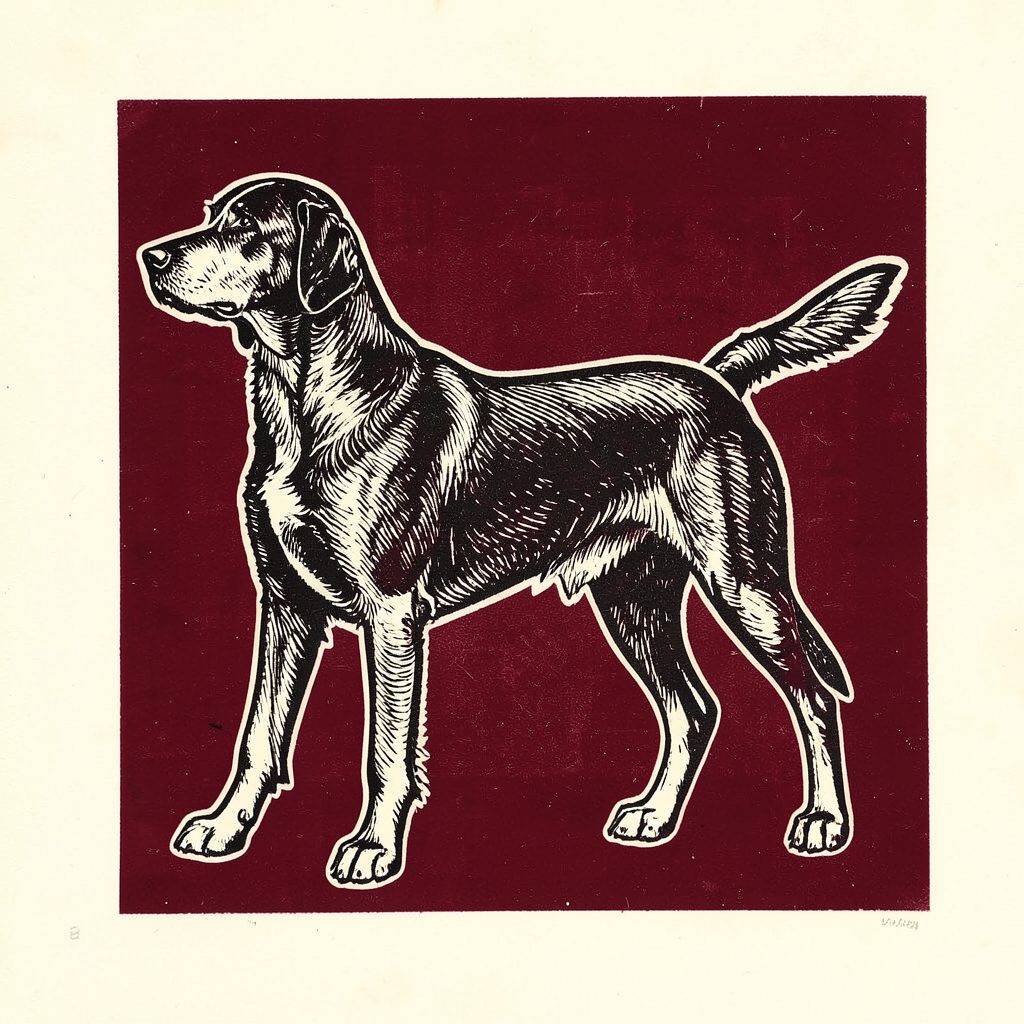
Double-Coated Dog Grooming for Comfort and Health
A double-coated dog has two layers of fur with separate jobs. The soft undercoat helps insulate the body, while the coarser outer coat sheds moisture, dirt, and sunlight. Breeds such as Golden Retrievers, German Shepherds, Siberian Huskies, Australian Shepherds, and many mixed-breed dogs depend on this natural system for everyday comfort.
Grooming this type of coat is about much more than making a dog look polished. Regular brushing removes loose hair, improves airflow near the skin, distributes natural oils, and helps owners notice ticks, rashes, lumps, or sore areas early. The right routine also reduces painful mats and the amount of fur left around the home.
A calm approach matters just as much as the equipment. Short, positive sessions are easier for a dog to accept than an occasional, exhausting grooming marathon. Owners who understand the coat’s structure can keep their pets clean and comfortable without working against the protection the coat provides.
Why the Double Coat Matters
The undercoat is dense and often fine, trapping air close to the body. In cooler weather, this layer provides warmth. During hot weather, a healthy, well-maintained coat can help shield the skin from direct sunlight and slow the movement of heat toward the body. Shaving the coat down to the skin can remove these benefits and may lead to uneven regrowth or sun exposure.
The outer guard hairs and undercoat shed at different rates. Many dogs have heavier “coat blows” in spring and fall, although indoor heating, climate, hormones, and individual genetics can affect shedding throughout the year. Removing loose fur through brushing is safer than trying to stop the process by cutting away healthy hair.
Prepare the Right Routine
Gather your tools before bringing the dog into the grooming area. A slicker brush is useful for lifting loose coat, while an undercoat rake or deshedding tool can help remove dead underfur when used with a light touch. A metal greyhound comb is valuable for checking whether the brush has reached all the way to the skin.
Keep nail clippers or a grinder, dog-safe shampoo, absorbent towels, a non-slip mat, and a high-velocity dryer designed for pets nearby. Human shampoo can irritate canine skin because its pH is different. Choose products suited to the dog’s coat and any advice provided by a veterinarian or professional groomer.
Begin when the dog is relaxed, perhaps after a walk but before the pet becomes tired. Let the dog sniff each tool, reward calm behavior, and work in small sections. If the coat is heavily tangled, forcing a brush through it can tear skin and create fear, so severe matting is best assessed by a qualified groomer.
Brush Without Damaging the Skin
Work in the direction of hair growth, lifting the coat in sections so you can see the skin. Use gentle strokes with a slicker brush, then follow with a comb to test for hidden tangles. Pay close attention to the ruff, behind the ears, the armpits, the belly, the tail, and the feathering on the legs because these areas mat easily.
A technique sometimes called line brushing involves parting the coat into narrow rows and brushing from the skin outward. This method is slower than sweeping over the surface, but it reaches the dense undercoat and makes it easier to spot redness, flakes, parasites, or small foreign objects.
Avoid repeated scraping over one patch. If the skin becomes pink or the dog pulls away, stop and give the area a break. The goal is to remove loose hair while preserving the skin barrier. A few minutes every day or several longer sessions each week usually work better than waiting until shedding becomes unmanageable.
Bathe and Dry With Care
Bathing is helpful when the dog is dirty, oily, or has a veterinary reason for more frequent washing. Brush out loose undercoat and tangles before the bath, since water can tighten mats. Use lukewarm water, thoroughly wet the dense coat, massage in diluted dog shampoo, and rinse until the water runs clear.
Drying is especially important for a double-coated breed. Moisture trapped near the skin can encourage odor, irritation, and hot spots. Towel-dry without vigorous rubbing, then use a pet dryer on a comfortable setting while brushing the coat in sections. Keep airflow moving, avoid the face and ears, and watch for signs that the dog is becoming stressed or overheated.
| Grooming stage | Typical timing | Main purpose | Important caution |
|---|---|---|---|
| Full-body brushing | Several times weekly | Removes loose hair and prevents mats | Use light pressure near the skin |
| Undercoat removal | During heavy shedding | Clears dead underfur | Stop if the skin looks irritated |
| Bathing | When dirty or advised | Cleans the skin and coat | Rinse shampoo completely |
| Thorough drying | After every bath | Prevents dampness near the skin | Use pet-safe airflow and check heat |
| Nail and paw care | Every few weeks | Supports balanced movement | Trim gradually to avoid the quick |
Manage Shedding and Sensitive Areas
Seasonal shedding can make a coat appear suddenly dull, packed, or uneven. Increase brushing gradually rather than attacking the entire coat in one session. A professional deshedding appointment may help when the undercoat is extremely thick, but the service should preserve the outer coat and avoid aggressive stripping that leaves the skin vulnerable.
Scissors should be used conservatively. Light trimming around paw pads, sanitary areas, or visibly overgrown feathering may improve cleanliness, but cutting into the main coat can create an uneven appearance and interfere with its protective function. Never use scissors to remove a tight mat close to the skin unless you have professional training.
Check the ears, paw pads, tail base, and groin during each grooming session. Look for wax buildup, cracks, swelling, persistent odor, fleas, ticks, or moist red patches. A dog that suddenly resists brushing may be communicating pain rather than stubbornness, so unexplained sensitivity deserves veterinary attention.
Make Grooming a Positive Habit
A reliable home routine protects both health and trust. Keep sessions predictable, reward cooperation, and finish with an activity the dog enjoys. Puppies should be introduced to handling around the feet, ears, tail, mouth, and coat before they need extensive grooming, while older dogs may need a slower reintroduction if brushing has become unpleasant.
Responsible ownership also includes understanding the care needs of a dog before bringing one home. Families exploring breed characteristics and lifelong grooming responsibilities can review local adoption listings while considering whether a dog’s coat, exercise needs, and temperament fit their household.
Use these habits to keep grooming comfortable:
- Brush in short sections, checking the skin as you go.
- Comb behind the ears, under the legs, and around the tail several times each week.
- Bathe only when needed, using a canine-formulated product.
- Dry the undercoat completely after swimming or bathing.
- Schedule veterinary or professional grooming help for painful mats, skin changes, or severe shedding.
A double-coated dog does not need constant cosmetic trimming; it needs thoughtful maintenance. Clean tools, gentle handling, thorough drying, and regular observation support a healthy skin barrier and a comfortable coat through every season. When owners make grooming routine rather than stressful, dogs are more likely to cooperate and problems are easier to find early.
Set aside a calm grooming session this week, inspect the coat from skin to tips, and record any areas that need extra attention. With patience and consistent care, brushing becomes a practical way to strengthen daily trust while protecting your dog’s comfort and health.