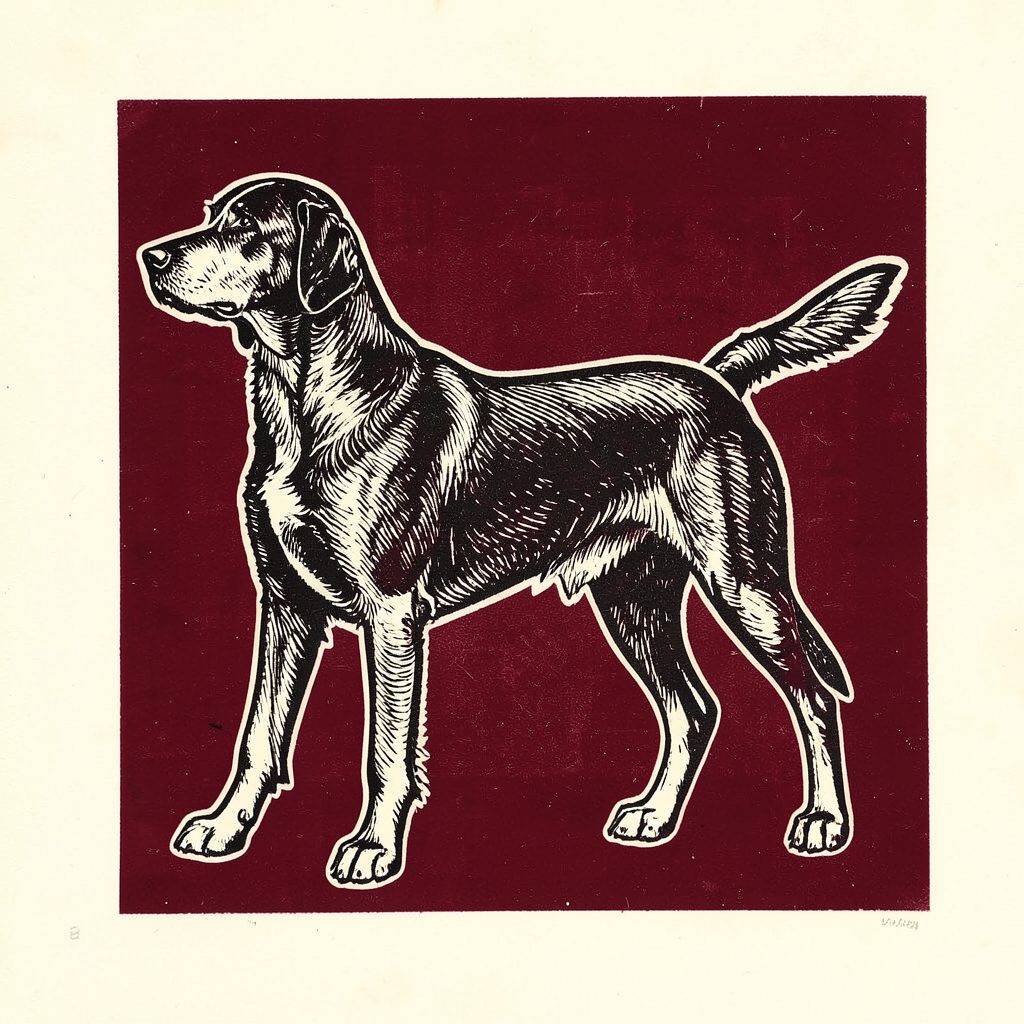
How to Host a Successful Dog Adoption Event
A well-planned dog adoption event can connect homeless pets with suitable families while giving residents practical guidance about responsible ownership. The strongest events feel welcoming, organized, and transparent rather than rushed or sales-focused.
Community partnerships are central to that success. A local kennel club, animal shelter, veterinary practice, trainer, foster network, or neighborhood business can contribute volunteers, expertise, supplies, and visibility. In West Volusia County, organizations such as West Volusia Kennel Club can help bring together people who care about training, ethical placement, and lifelong canine welfare.
The event should be designed around the needs of the dogs and the families considering adoption. Clear information, calm surroundings, careful screening, and thoughtful follow-up create better matches than a crowded gathering focused solely on attendance numbers.
Define the Purpose And Build A Team
Begin by establishing a specific goal. You may want to place a certain number of dogs, introduce shelter services to local residents, recruit foster homes, or educate visitors about adoption. A clear purpose helps determine the event size, budget, staffing, and promotional message.
Assign responsibilities before advertising begins. One person can coordinate the shelter or rescue partners, while others manage registration, dog handling, cleanup, refreshments, photographs, and public questions. Include a veterinary professional or experienced animal-care volunteer when possible. Every participating organization should agree on adoption requirements, fees, medical records, return policies, and who has authority to approve applications.
Select A Safe Venue And Practical Schedule
Choose a location that is easy to reach, shaded, and suitable for people and dogs. A community center, pet-friendly business, park pavilion, or spacious training facility may work well, provided local rules allow animal gatherings. The site should offer separate areas for introductions, applications, rest, and relief breaks. Secure fencing, clean water, waste bags, first-aid supplies, and weather protection are essential.
Avoid the hottest part of the day in Florida, and create a backup plan for rain or extreme heat. Short appointment windows can reduce crowding and help nervous dogs remain comfortable. Provide accessible parking and seating for older visitors, families with young children, and people with mobility needs. Check that every dog has secure identification and that handlers understand how to prevent tangled leashes or accidental escapes.
Prepare Dogs And Adoption Information
Each dog should arrive with accurate, easy-to-read information. Include age, size, sex, vaccination status, sterilization status, known medical needs, energy level, behavior around children and other animals, and any restrictions. Be candid about challenges. Honest communication protects the dog and helps adopters choose a companion whose needs fit their household.
Dogs also need preparation before meeting the public. Give them exercise, feeding time, rest, and a quiet decompression area. Use individual handlers who know each animal’s temperament, and never force contact with visitors. A short demonstration of leash manners or basic skills can show a dog’s potential without creating unnecessary pressure. Families may also benefit from reviewing essential dog commands before bringing home a new companion.
| Event Element | Recommended Practice | Why It Matters |
|---|---|---|
| Dog profiles | Use current medical and behavior information | Encourages informed decisions |
| Meet-and-greets | Schedule brief, supervised introductions | Reduces stress and safety risks |
| Application process | Explain requirements before forms are completed | Saves time for staff and adopters |
| Rest area | Provide a quiet space away from crowds | Helps dogs regulate their behavior |
| Follow-up | Record contact details and next steps | Supports smoother placements |
Create A Calm And Welcoming Event Flow
Plan the visitor experience from arrival through departure. A welcome desk can explain the schedule, provide a map, and identify dogs available for adoption. Use signs to direct guests toward information, meet-and-greet areas, educational activities, and application stations. A numbered or appointment-based system may work better than a free-for-all when attendance is high.
Give visitors several ways to learn before they interact with a dog. Short talks about nutrition, grooming, training, local licensing, and responsible ownership can make the event useful even for people who are not ready to adopt. A club with conformation or obedience experience can demonstrate how positive training builds communication and confidence. Community programs such as Prison Pups N Pals can also illustrate the value of structured partnerships that support both people and dogs.
Make introductions deliberate. Ask about the visitor’s lifestyle, housing, work schedule, current pets, and experience with dogs before recommending a meeting. Children should be supervised, and resident dogs should meet a prospective dog according to the shelter’s safety protocol. A successful event values appropriate placement over the fastest possible adoption.
Promote The Event With Clear Expectations
Start promotion several weeks in advance through shelter newsletters, community calendars, social media, local businesses, veterinary offices, libraries, and neighborhood groups. Use appealing photographs, but pair them with useful facts. State the location, time, adoption requirements, contact information, accessibility details, and whether visitors should bring identification or proof of housing permission.
Avoid language that promises an instant match or presents every dog as suitable for every family. Explain that adoption decisions depend on compatibility and that some animals may need additional evaluation or a later appointment. This respectful tone attracts serious adopters and sets realistic expectations.
Ask partners to share the same information and branding. A consistent flyer prevents confusion about fees, application procedures, and participating organizations. Obtain permission before publishing identifiable photos of volunteers, children, or adopters, and protect private applicant information throughout the event.
Complete Applications And Support The Transition
Adoption paperwork should be easy to understand and handled discreetly. Explain screening steps, landlord approval, meet-and-greet requirements, trial periods, medical records, and return policies before accepting an application. A family that is not approved for one dog may still be a strong match for another, so staff should respond with courtesy and useful guidance.
Prepare a take-home packet with feeding instructions, medication details, vaccination records, contact information, training resources, and the first veterinary appointment recommendation. Encourage adopters to keep the first days quiet and predictable. A gradual introduction to household members and existing pets gives the dog time to settle.
Practices That Improve Adoption Outcomes
- Match dogs with households based on lifestyle, activity level, experience, and home environment.
- Schedule follow-up calls or messages within the first few days and again after several weeks.
- Provide a clear contact for behavior, medical, or adjustment concerns.
- Track applications, completed adoptions, referrals, and unresolved needs after the event.
- Thank volunteers and partners promptly, then document lessons for the next gathering.
Follow-up also reveals where the event performed well and where procedures need refinement. Review attendance, adoption outcomes, dog stress signals, application completion rates, and feedback from families. Share appropriate results with partner organizations while keeping adopter information confidential.
A community adoption event becomes more valuable when it continues beyond a single afternoon. Build relationships with local trainers, responsible breeders, veterinarians, foster homes, and animal welfare groups. Educational activities and membership opportunities can keep residents connected to practical dog ownership resources throughout the year.
Bring your local partners together, choose a date, and begin with a simple planning checklist. With careful preparation, humane handling, and dependable follow-up, your next adoption gathering can help more dogs find stable homes while strengthening the network of people who care for them.