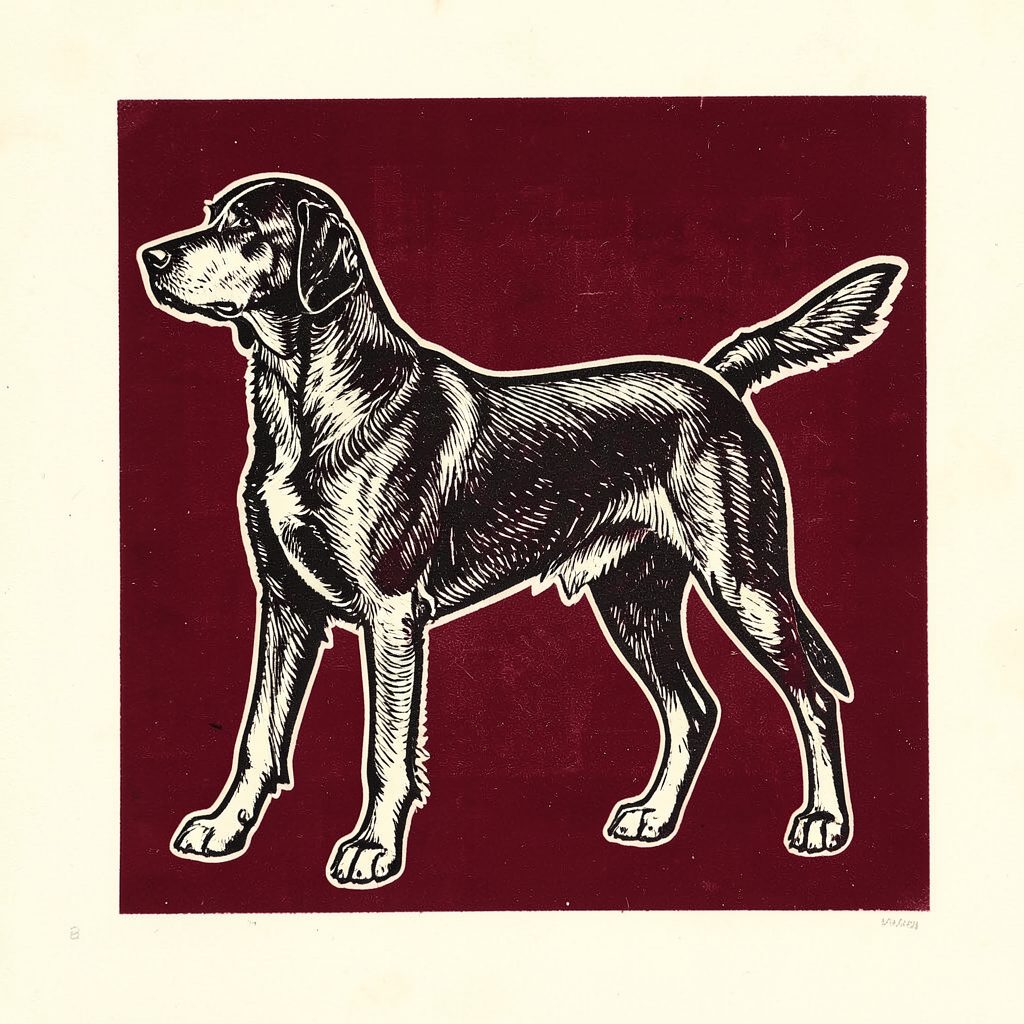
How to Introduce Your Dog to a Dog Show Environment
A dog show can be exciting, noisy and highly stimulating for a newcomer. Bright lights, unfamiliar dogs, grooming tables, loudspeakers and busy handlers create a very different setting from a morning walk in a Brisbane park or a quiet training class. A thoughtful introduction helps your dog stay relaxed enough to learn and enjoy the experience.
The aim is not to make your dog perform perfectly on the first visit. It is to build positive associations with the venue, the people and the routines surrounding a conformation or obedience event. Short visits, calm handling and realistic expectations matter more than rushing towards a competition date.
Australian owners should also account for local conditions. A summer show near Sydney, Melbourne or Perth may involve heat, long travel and early starts, while regional competitors may spend hours driving to a championship event. Whether your dog is entering a Dogs Australia-affiliated show or simply attending as a spectator, preparation should begin well before show day.
Build Confidence Before Visiting A Show
Start with ordinary experiences that resemble the demands of a dog show. Practise walking politely past other dogs, standing calmly while someone examines the ears and paws, and moving at a steady pace beside you. Reward your dog with small treats, praise or a favourite toy whenever they remain composed.
Handling should be gentle and predictable. Ask trusted friends to touch the collar, lift each paw, inspect the teeth and run their hands over the body. Keep each session brief, especially with puppies or sensitive rescue dogs. If your dog backs away, yawns repeatedly or tries to escape, reduce the intensity and return to an easier exercise.
A useful local resource is a structured club environment, such as the West Volusia club background, where owners can learn how organised activities support responsible dog ownership. Australian handlers can apply the same principle through a nearby obedience club, breed club or Dogs Australia member body.
Introduce The Sounds, Surfaces And Crowds
A show environment contains sensations that dogs rarely meet at home. Trolleys rattle across concrete, strangers brush past, crates open and close, and several dogs may bark at once. Recreate these details gradually by walking near a busy shopping strip, visiting a pet-friendly hardware store or practising on different surfaces.
Begin at a distance where your dog can still take food and respond to their name. Over several sessions, move closer to activity only when the dog remains loose-bodied and attentive. Avoid forcing an anxious dog into a crowded area as this can make future visits harder.
Practise settling on a mat beside you. At home, reward your dog for lying quietly while you read, pack a bag or handle grooming equipment. Then transfer the exercise to a park, club grounds or outdoor café. In Australia, this skill is especially valuable when shade is limited and the timetable includes long periods between classes.
Plan A Gradual Show-Day Exposure
The first visit should be an observation trip rather than a test of performance. Choose a quieter time, stay near the edge of the grounds and leave while your dog is still coping well. A ten-minute positive visit can be more useful than several hours of overstimulation.
Progress through exposure stages instead of expecting instant confidence:
| Exposure stage | Main objective | Signs to continue | When to step back |
|---|---|---|---|
| Quiet training area | Notice dogs and people safely | Takes treats, checks in with handler | Freezes, lunges or hides |
| Club practice | Walk, stand and settle | Recovers quickly after distractions | Cannot focus for several seconds |
| Small local event | Experience rings and announcements | Relaxed body and normal breathing | Persistent barking or frantic scanning |
| Larger championship show | Manage a full schedule | Settles between activities | Exhaustion, heat stress or shutdown |
A local match or training day is often a sensible bridge to a major event. Owners travelling from Adelaide to Melbourne or from Canberra to Sydney should consider an overnight stop if the journey is long. Arriving exhausted can make a normally steady dog unsettled before the first class begins.
Prepare Equipment And A Calm Routine
Pack familiar items rather than relying on the venue. Bring a secure lead and collar, water, a collapsible bowl, treats, waste bags, a mat, grooming supplies and weather protection. A crate can provide a quiet retreat, but it should already be associated with rest and comfort.
Heat management deserves particular attention in Australia. Avoid leaving a dog in a parked vehicle, even for a short time, and check whether the event provides shade and drinking water. A cooling mat, portable shade and a planned route away from hot asphalt may be essential at summer shows in Queensland or Western Australia.
Useful items for the handler
- High-value treats in a sealed pouch
- A familiar mat or lightweight crate
- Water, bowl and cooling equipment
- Spare lead, towels and waste bags
Helpful routines to rehearse
- Enter, pause and look at the handler
- Walk past dogs without greeting them
- Stand for examination and release calmly
- Settle quietly between activities
Teach Ring Manners Without Pressure
Conformation dogs need to move at an appropriate pace, stand for examination and tolerate a judge’s touch. Obedience dogs need focus, accurate responses and the ability to work around distractions. In both disciplines, clear communication is more useful than repeated corrections.
Break exercises into small pieces. Reward one calm stand, one straight line of walking or one response to a cue, then finish. Keep the lead loose where possible and avoid drilling until the dog becomes tired or frustrated. The goal is a confident partnership, not mechanical behaviour produced through pressure.
A puppy may attend a show before being eligible for competition, provided the event and local rules allow it. This can make the venue feel ordinary rather than mysterious. For adult dogs, adoption or rescue backgrounds may require a slower approach, especially if unfamiliar handling or crowded spaces have previously caused fear.
Support Your Dog Beyond The Ring
Socialisation does not mean greeting every dog. Teach your dog that calm neutrality is valuable. Allow brief, polite interactions only with suitable dogs, and keep enough distance for both animals to remain comfortable. A showground is not the place for uncontrolled play or forced introductions.
Watch for early stress signals such as lip licking, pinned ears, tucked posture, frantic sniffing, repeated shaking or refusal of food. Move to a quieter area, offer water and allow recovery. If the dog cannot settle, ending the visit is a responsible decision rather than a failure.
Community programmes can also broaden a dog’s experience in controlled ways. For example, the Prison Pups N Pals programme demonstrates how structured human-dog interaction can support training and social development. Australian owners may find comparable opportunities through assistance-dog organisations, shelter volunteering or supervised community education projects; suitability depends on the individual dog.
Keep Training Positive And Track Progress
Record what your dog managed, where stress appeared and how quickly they recovered. Notes might show that the dog copes well with people but struggles with loud announcements, or handles a cool morning better than a humid afternoon. This information helps you plan the next exposure with precision.
Use the same cues, equipment and reward style at home and at events. If you work with a trainer, ask for practice around ring entrances, examination procedures and settling beside other teams. The dog training organisation you consult should use humane, evidence-based methods and adapt exercises to your dog’s temperament.
A successful first show may involve no entry, no ribbon and only a calm visit around the grounds. Success means your dog can notice unfamiliar activity, remain connected to you and recover after mild excitement. Before attending, schedule one short practice outing, pack water and a familiar mat, and leave while your dog is still relaxed.