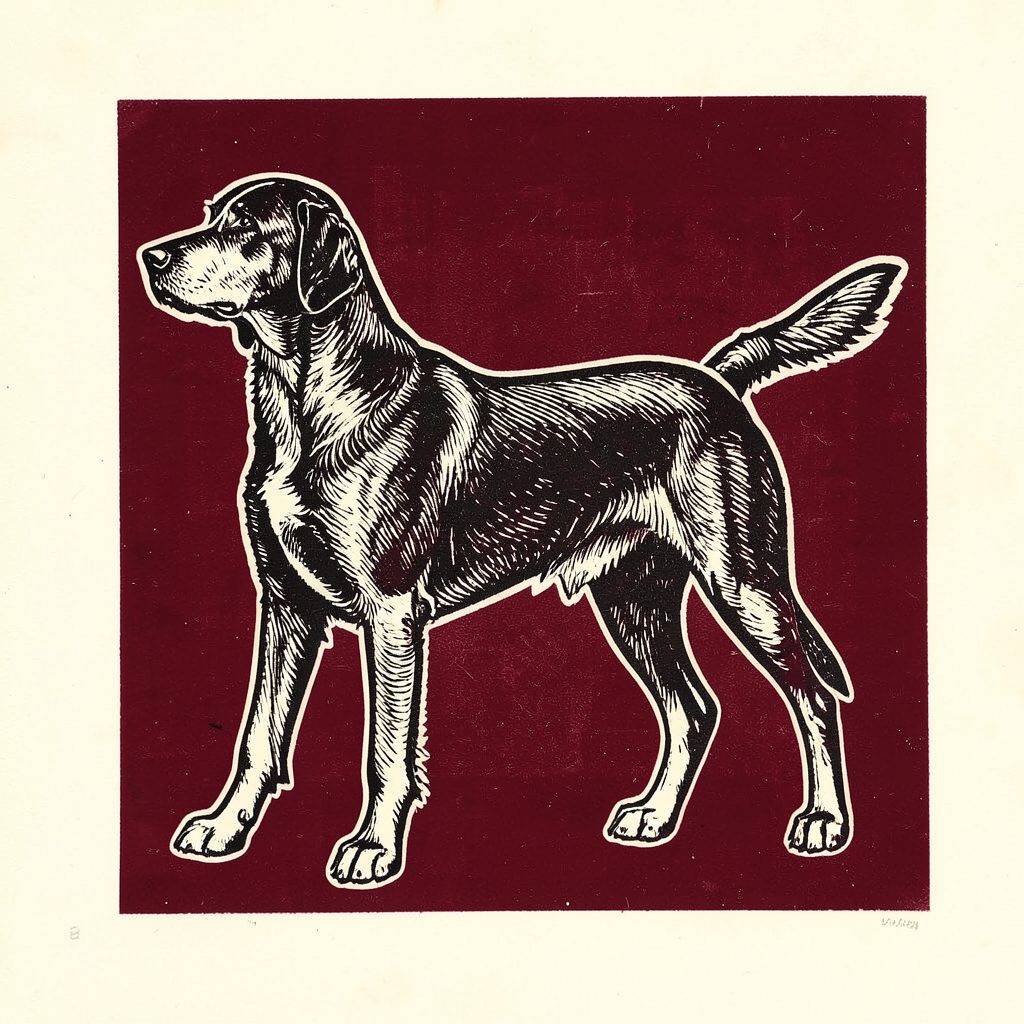
How to Practise Stacking Your Dog at Home
A well-presented stack helps a judge assess a dog’s structure, balance and movement before the examination begins. Stacking means placing the feet and body in a natural, breed-appropriate position, then teaching the dog to stand calmly while you make small adjustments. It is a skill for show dogs, but it can also improve handling manners for veterinary visits, grooming and everyday confidence.
Home practice works best when it feels like a short game rather than a demanding drill. A quiet hallway, non-slip mat or shaded patio can become a useful training area. In Australia, where summer heat can make outdoor surfaces uncomfortable, early-morning sessions in Brisbane, Sydney, Melbourne or Perth are safer and more productive than practising on hot concrete.
Create A Stable Practice Area
Begin with a firm, level surface that gives your dog secure footing. Rubber-backed mats, low-pile carpet or a portable grooming table with a non-slip surface are suitable options. Avoid polished tiles, wet grass and slippery decking because a dog that loses balance may become worried about standing still.
Use a lightweight show lead or the type of lead accepted by your local canine authority, and keep a few small treats within reach. Australian pet retailers commonly stock soft training treats, bait pouches and grooming tables, while a folded yoga mat can be an inexpensive alternative for home practice. Remove distractions such as toys, food bowls and busy household traffic.
Give your dog time to investigate the space before asking for a stack. Reward four feet on the mat, then reward stillness for one second. Gradually extend that pause to three, five and ten seconds. The aim is relaxed concentration, not a rigid pose maintained through physical pressure.
Teach The Position In Small Steps
For many breeds, start with the dog standing squarely in front of you. Keep the lead loose and hold a treat near the dog’s nose, then slightly forward so the head stays level. Place the front feet beneath the shoulders and position the rear feet according to the breed’s natural outline. Some breeds stand relatively square, while others require a longer rear extension or a specific hind-leg angle.
Move one foot at a time and reward immediately when it lands in the right place. If your dog shifts several feet at once, calmly reset rather than repeatedly correcting. A verbal cue such as “stand” or “stack” should be said once, followed by the desired position and a reward. Consistent timing helps the dog understand that standing still makes good things happen.
There are two useful styles to practise. In a manual stack, you carefully place the feet and then reward the finished pose. In a free stack, the dog moves into position independently when you stop and present the bait. Free stacking can look natural in the ring, but it should be taught after the dog understands body awareness and the basic stand. Owners seeking more formal ring skills can explore conformation training for structured guidance and handling practice.
Compare Stacking Styles And Training Goals
The best approach depends on your dog’s temperament, age, breed and show experience. A young puppy may need only a second of stillness, while an experienced adult can practise a longer examination. Never force a tired, sore or anxious dog into position; stacking should reveal the dog’s strengths rather than create tension.
| Practice style | Best use | Handler’s role | Common mistake |
|---|---|---|---|
| Manual stack | Teaching foot placement and body awareness | Gently positions each foot | Moving too quickly or repeatedly fussing |
| Free stack | Developing independence and ring presentation | Uses movement, posture and bait | Pulling the lead instead of shaping the pose |
| Wall-assisted stand | Helping beginners understand alignment | Uses a straight surface as a visual guide | Pressing the dog against the wall |
| Short-duration hold | Building patience and focus | Rewards calm stillness | Increasing time before the dog is ready |
| Examination practice | Preparing for a judge’s hands and close approach | Handles ears, legs and body calmly | Touching sensitive areas without preparation |
Practise looking at your dog from the side and from the front. Check that the topline appears level where appropriate, the head is carried naturally and the feet are not crossing. Use occasional phone videos rather than relying only on your own view. Video can reveal a tucked-up posture, a drifting front foot or a handler who is leaning over the dog.
Australian conformation presentations may vary between breeds and events, so follow the breed standard and the expectations of the relevant state canine organisation. A stack that looks attractive for a Whippet will not be identical to one suitable for a Golden Retriever or a Staffordshire Bull Terrier.
Build A Calm Ring Routine
A reliable routine can follow four stages: move, stop, stack and settle. Walk your dog several steps at a controlled pace, stop smoothly, offer the cue and make only the necessary adjustment. Reward the completed pose, then release with a clear word such as “free”. The release matters because it tells the dog when the exercise has ended.
Keep sessions between two and five minutes, with several easy repetitions rather than one long lesson. Puppies may manage three or four brief attempts, while an adult dog can work through a few minutes if the posture remains comfortable. Finish after a successful repetition, even if the session is shorter than planned.
Gradually add realistic distractions. Ask a family member to walk past, stand several metres away or gently touch the dog’s shoulder after receiving permission from the handler. Practise in a quiet corner of a local park only when your dog is comfortable, and avoid crowded off-leash areas where sudden greetings can undo careful training.
Practical Habits For Better Progress
- Practise on a non-slip surface and check that paws are free from grit, grass seeds or dampness.
- Use tiny, high-value rewards suited to your dog’s diet and reduce meal portions if treats become frequent.
- Keep the lead loose so the dog learns balance and posture rather than leaning into pressure.
- Reward the exact moment the feet and head are correctly placed.
- Record occasional side and front views to monitor alignment, expression and handler position.
- Stop if your dog shows repeated lip licking, yawning, tucked posture, limping or avoidance.
- Match the final presentation to the breed standard and the rules of the event you plan to enter.
Prepare For Real Shows And Everyday Handling
Home stacking should eventually connect with lead movement, baiting, examination and standing near unfamiliar people. Practise entering a room, walking a short triangle or out-and-back, then returning to the stack. At an Australian show, your dog may need to cope with early starts, travel, crates, loudspeaker announcements and waiting near many other dogs, so calm transitions are as important as the pose itself.
Condition the dog to gentle handling one area at a time. Touch the shoulders, chest, back, tail, feet and ears for a second, reward, and then stop. Increase duration gradually. If your dog dislikes having the mouth examined, work with a qualified trainer or veterinarian rather than forcing the jaw open. Comfortable cooperation is safer and produces a more natural expression.
Weather planning is especially important during warmer months. Shows and training sessions can involve long periods outdoors, and surfaces may heat rapidly. Carry water, provide shade, use cooling breaks and check the ground with your hand before asking for a stand. Dogs travelling to events from Adelaide, Canberra or regional areas may also need practice settling after a car journey.
A successful stack is quiet, balanced and repeatable. It should allow the dog to show its natural outline while responding willingly to the handler. With brief sessions, thoughtful rewards and careful attention to comfort, the finished pose becomes a familiar part of the dog’s routine rather than a stressful performance.
Keep a mat, treats and lead together in a small training kit, practise for a few minutes on several days each week, and end every session with the dog standing calmly in the correct position.