How to Read a Dog Show Judging Critique
A dog show judging critique is more than a record of ribbons and placements. It captures how a qualified judge assessed a dog against its breed standard on a particular day, often covering structure, movement, temperament, condition, and presentation. Learning to read those comments helps owners understand both a dog’s strengths and the areas that deserve attention.
A critique may seem cryptic at first because judges use specialized conformation terminology. Words such as “topline,” “angulation,” “sickle hocks,” and “excellent shoulder placement” communicate precise observations in very few lines. The key is to read the report as a complete assessment rather than focusing on one flattering or critical phrase.
For owners in DeLand and West Volusia County, local training, shows, and educational opportunities can make this process easier. The club’s activities connect dog owners with practical resources and a community that understands responsible participation in conformation events.
Know What The Critique Is Measuring
Judges compare each entry with the written breed standard, which describes the ideal purpose, structure, movement, size, coat, and temperament of that breed. They are not simply choosing the prettiest dog or the most polished handler. A critique explains how closely the judge believes the dog reflects that ideal during the examination and gaiting pattern.
The report may address the dog from nose to tail, including head proportions, bite, eyes, ears, neck, shoulders, back, loin, croup, tail set, chest, legs, feet, coat, and movement. It may also mention condition and ring behavior. A short critique does not mean the judge noticed less; some judges use compact language to summarize a full examination.
Read the breed standard alongside the report whenever possible. A phrase that sounds negative in everyday language may be acceptable or even desirable in a particular breed. “Moderate” can be a compliment when excess would compromise function, while “substantial” may describe appropriate bone rather than excessive weight.
Separate Placement From Quality
A ribbon reflects the judge’s decision in that ring, but it does not provide a complete ranking of lifelong quality. A dog can place lower because of coat condition, handling, a missed gaiting moment, or strong competition. Likewise, a winning dog may still have traits its owner should monitor. The critique provides more useful information than the placement alone.
Pay attention to the balance of positive and corrective language. “Good head,” “correct bite,” and “well set tail” identify assets. “Would prefer more rear angulation” or “slightly short in upper arm” identifies a specific difference from the ideal. These observations are not automatically breeding recommendations or diagnoses; they are conformation opinions made in a competition setting.
The word “fault” also requires context. In dog shows, a fault is a deviation from the standard, but faults vary in seriousness. Some affect appearance, some influence efficient movement, and some may be disqualifying under a breed’s rules. A judge’s comment should be interpreted within that breed’s priorities and the wording of its standard.
Decode Structure And Movement Terms
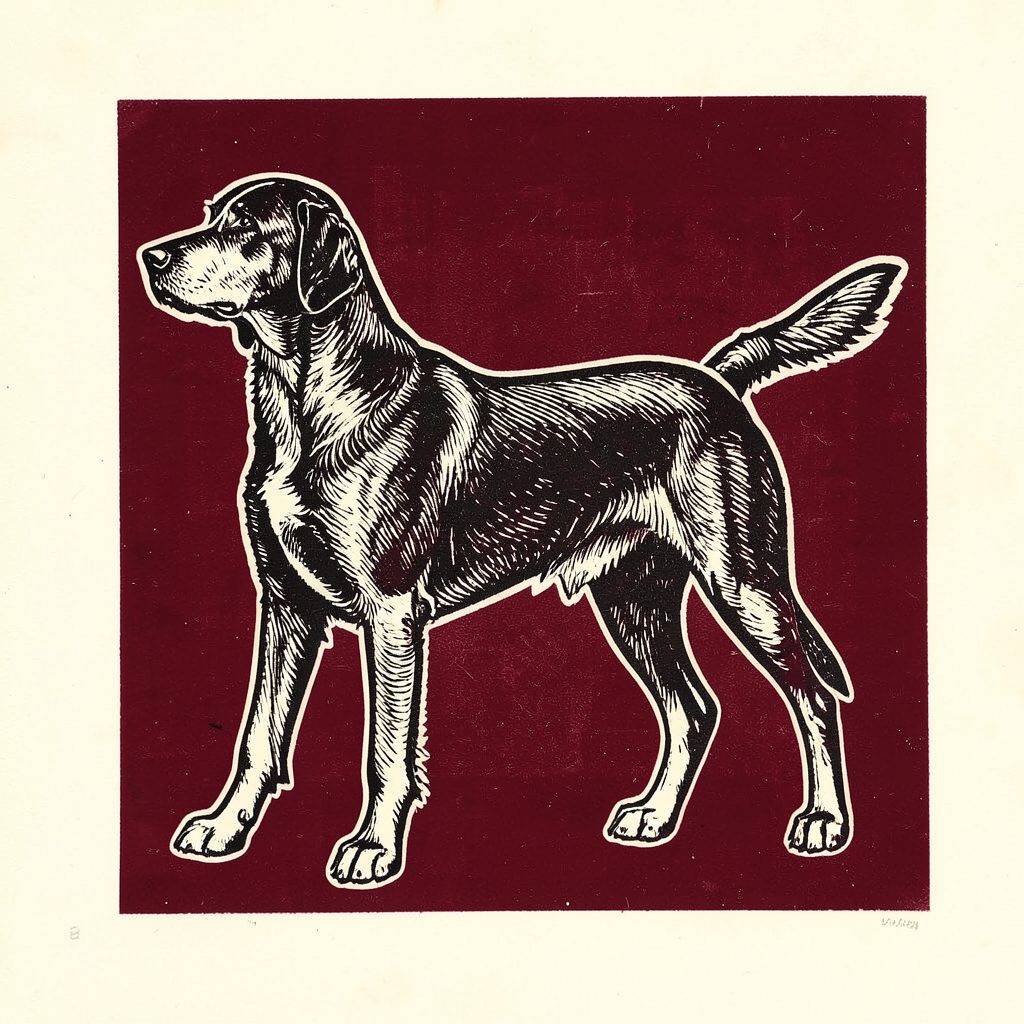
Structural comments describe how the dog is built. The topline refers to the outline of the back from withers to loin, while the croup describes the area leading toward the tail. Angulation concerns the angles formed by bones and joints, especially in the forequarters and rear assembly. “Good shoulder layback” and “well bent stifles” indicate useful construction when they fit the breed’s standard.
Movement comments explain how that structure functions in motion. “Reach” describes the forward extension of the front legs, while “drive” refers to propulsion from the rear. “Converges” may describe the legs moving toward a center line at faster speeds, whereas “paddling,” “hacking,” or “weaving” can signal inefficient front movement. The correct interpretation depends on the breed and the speed at which the dog was shown.
A judge may mention “coming and going,” meaning the dog’s movement viewed from the front and rear. Another common observation is “moves close behind” or “loose in front.” These phrases should be considered alongside comments about balance. A dog with impressive rear drive but insufficient front reach may not move as efficiently as one whose assembly works together.
Read The Language In Context
Individual phrases can be misleading when removed from the rest of the critique. “Long cast” might be desirable in one breed and undesirable in another. “Light bone” could be a serious concern for a breed expected to have substantial substance, while “refined” may be appropriate in a breed where elegance is valued. The breed standard supplies the necessary context.
| Judging phrase | What it generally describes | What to check next |
|---|---|---|
| Good topline | The back appears stable and appropriately shaped | Whether it remains firm while moving |
| Adequate shoulder | Forequarter construction meets a basic expectation | Reach, front movement, and overall balance |
| Nice rear | Useful hindquarter angulation or muscle | Drive and coordination in motion |
| Could use more substance | The dog may be lighter in bone or body than preferred | The breed’s ideal size, bone, and condition |
| Short upper arm | The upper front-leg structure may limit reach | Whether the dog moves freely or with shortened stride |
| Excellent presentation | Grooming, conditioning, and handling supported the entry | Whether structural comments also support the placement |
Words such as “excellent,” “very good,” “correct,” “adequate,” and “could improve” create a hierarchy of approval. However, a judge may praise one feature and still place the dog below another entry with stronger overall balance. Look for repeated themes across several critiques instead of treating one adjective as a final verdict.
It is also important to distinguish a conformation comment from a health assessment. A judge may notice gait irregularity, poor condition, or a bite concern, but a show critique cannot replace veterinary evaluation. If the report raises a possible physical issue, consult an appropriate professional rather than assuming the wording establishes a medical cause.
Turn Comments Into Practical Goals
A useful critique leads to specific, realistic action. If the judge noted weak rear movement, an owner might work on conditioning, fitness, and gaiting technique while seeking qualified advice. If the concern was coat presentation, the solution may involve grooming instruction rather than changes to the dog’s structure. Handling improvements can help the judge see the dog clearly, but they cannot transform anatomy.
For owners who want to understand training and evaluation in a supportive local setting, the West Volusia Kennel Club offers insight into its programs, activities, and role in the community. Conformation classes can help handlers learn ring procedure, stack a dog correctly, and present movement at an appropriate speed. Obedience work can also improve focus and cooperation during a busy event.
Use more than one critique before deciding that a trait is a pattern. Different judges emphasize different details, and a dog may move differently because of heat, footing, stress, maturity, or conditioning. Keep copies of reports and record recurring observations. A consistent comment from several knowledgeable judges deserves more attention than a single vague remark.
Ask Better Questions After The Show
Owners often get the most value by discussing the report with a knowledgeable breeder, trainer, mentor, or experienced exhibitor. Ask what the wording means in the context of the breed, whether it affects function, and whether it can be improved through presentation or conditioning. A constructive discussion should focus on understanding rather than defending the dog.
When reviewing a critique, use these practical steps:
- Highlight every positive observation and group similar comments together.
- Mark structural, movement, condition, and handling comments separately.
- Compare each point with the official breed standard.
- Look for repeated observations across multiple shows and judges.
- Create one or two training or presentation goals before the next event.
A critique can also guide decisions about entering a particular class, adjusting grooming, or building ring confidence. It should not be used to shame a dog or handler. Every entry is evaluated in a specific setting, and a thoughtful owner treats the report as one source of information in a broader record of the dog’s development.
Read each judging critique slowly, learn the vocabulary that applies to your breed, and keep the focus on soundness, welfare, and responsible ownership. With practice, unfamiliar phrases become useful observations that can improve preparation and deepen appreciation for canine structure. Explore local club programs, attend educational events, and use each show report as a practical step toward becoming a more informed exhibitor.