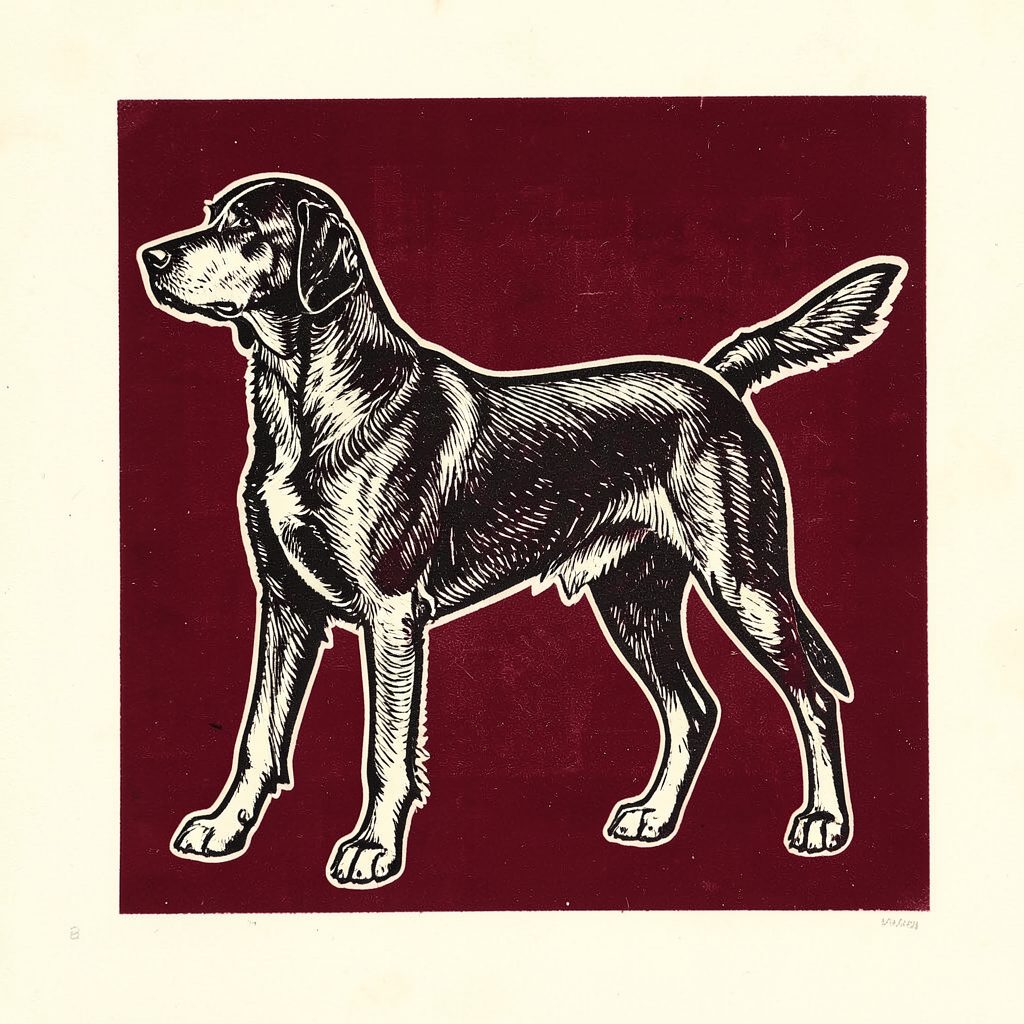
How to start a home obedience training routine for beginners
Learning obedience at home is easier when it feels like part of ordinary life rather than a formal lesson. Short, upbeat sessions can teach a dog that responding to you is rewarding. The goal is not perfect performance; it is clear communication and habits your dog can use with family, visitors and people met outdoors.
Begin with one calm training place and two or three goals. A kitchen, living room, fenced yard or quiet balcony can work if it is safe, dry and not too distracting. Fit sessions around feeding, toileting and exercise you already do. Repetition matters more than length, especially for puppies and dogs in busy households.
Australian routines often centre on early-morning or after-work walks, suburban backyards, shared flats and local dog parks. In Sydney, Melbourne, Brisbane and regional towns, a dog may move from a small apartment to a footpath, park and neighbour’s yard in one day. Planning for these changes builds generalisation, while summer heat makes shaded indoor practice sensible.
Choose rewards your dog likes and keep expectations realistic. If your dog is anxious, unwell, overwhelmed or distracted, reduce the task and create distance. Your vet, a reputable local obedience school or a qualified behaviour professional can help with individual needs; home practice should complement that support.
Set up a safe training space
Gather a few inexpensive items: treats, a treat pouch, a marker, a lead and a non-slip mat. A pen or bottle cap can act as a marker, while the word “yes” works if clicking is too startling. Keep bowls, absorbent pads or your usual toilet setup in the same place each time.
Before asking for formal cues, watch how your dog behaves when relaxed. Note whether they settle, approach people, chew, bark or startle. Check that food, hearing, vision, joints and mobility are comfortable with your vet; pain or fear can look like disobedience. A young puppy, rescued adult or reactive dog may need smaller steps.
Choose three measurable goals for the first fortnight, such as responding to their name, sitting on request and resting on a mat. Add a loose-lead walk only if those are already comfortable. Keep a simple log of successful repetitions, distractions and reactions so progress comes from observation rather than guesswork.
Build training into the daily routine
Anchor training to routines you already follow. After the morning toilet break, ask for one easy cue; before dinner, practise a different cue; after a walk, reward calm settling. This builds consistency without adding another commitment to an Australian household’s already busy morning.
Use a marker to capture behaviour your dog already offers. The instant your dog looks at you, sits or pauses, mark it and deliver a treat. Reward the precise response, then release your dog to enjoy the reward. This “capturing” method turns ordinary moments into useful repetitions without forcing a position.
Most beginners benefit from one or two minutes per cue and two to four brief sessions across the day. For extra club-based ideas, West Volusia Kennel Club provides a kennel club article to read alongside advice from a qualified local instructor. End each mini-session while your dog is still interested.
Teach a small set of reliable cues
Teach one clear word for each action and avoid changing it. Begin with name response and “sit”: lure or shape the hips down, mark the moment the dog sits, reward, then release. For “down”, wait for the dog to lower naturally, mark and reward. Short repetitions help the dog connect your marker, cue and outcome.
Build “stay” from duration: reward one second, then two, while your dog remains in place; release before it wanders. For recall, start two metres away in a quiet room, use an enthusiastic cue, move backwards and reward arrival. Increase distance and distraction only when the response is secure.
Loose-lead walking is another practical goal. Reward your dog for looking toward you or stepping forward while the lead is slack, then continue walking beside you. “Leave it” and “drop it” can follow through a calm trade or gentle retrieve. Practise each cue in several rooms before adding the park.
Reward the behaviour you want
Use positive reinforcement: add something valuable immediately after the correct behaviour. Food is easy to meter, but petting, praise and a favourite toy can also work. Coles and Woolworths carry everyday dog treats and leads, while Australian pet shops and online retailers stock clickers, long lines, harnesses and food puzzles.
Treats should be small, safe and not so rich that they upset the stomach. Measure the daily allowance, cut treats into pea-sized pieces and vary the reward. If your dog ignores food, check the environment or motivation rather than repeating the cue louder. Timing is more useful than volume.
Gradually reduce the food reward as your dog becomes reliable, but keep occasional high-value rewards for new places. If mistakes happen, reset calmly and reward the next correct attempt. Avoid punishment, dominance claims and prolonged repetitions; they can create avoidance and damage trust.
Progress safely beyond the home
Generalise one cue at a time. Practise “sit” on carpet, grass, a wooden deck and a busy footpath, changing only one factor each session. Reward generously in new settings until the response holds. Pair cues with calm socialisation, such as asking for a sit before your dog greets an unfamiliar person or dog.
Australian summers make timing and footing important. Train indoors or in shade, check hot pavement with the back of your hand, carry water and avoid strenuous walks around midday. Short dawn or dusk sessions are useful, but watch for heavy panting, bright gums, stumbling or unusual tiredness, and stop if these appear.
Legal requirements differ by state and council. Most Australian dogs must be registered, and local rules cover lead use, off-leash parks, waste, private land and animal welfare. Off-leash exercise is allowed only where designated; signs in Victoria, New South Wales and Queensland may differ from nearby council areas. Check before arriving at a park, and check pet conditions on trains and buses.
Shared venues need care as well. This Spanish-language field maintenance interview offers related perspectives on keeping activity spaces functional and safe.
Follow a simple first-week plan
Treat the first week as a simple experiment rather than a deadline. Keep one primary goal visible, schedule short sessions after settled routines and record what your dog does. Progress when the behaviour remains reliable across two or three everyday distractions.
- Practise two familiar cues for two to five minutes, then stop before frustration appears.
- Use the same cue words, marker and reward delivery every time.
- Reward calm pauses, eye contact and settling alongside formal commands.
- Raise difficulty gradually by changing one place, distance or distraction at once.
Practice may look modest at first: one reliable sit, a calm mat rest or a few steps on a loose lead. Those small responses are valuable because they can be repeated daily and built upon later.
What to remember is simple: easy, promptly rewarded responses repeated briefly each day create the foundation your dog carries into walks, greetings and everyday Australian life.