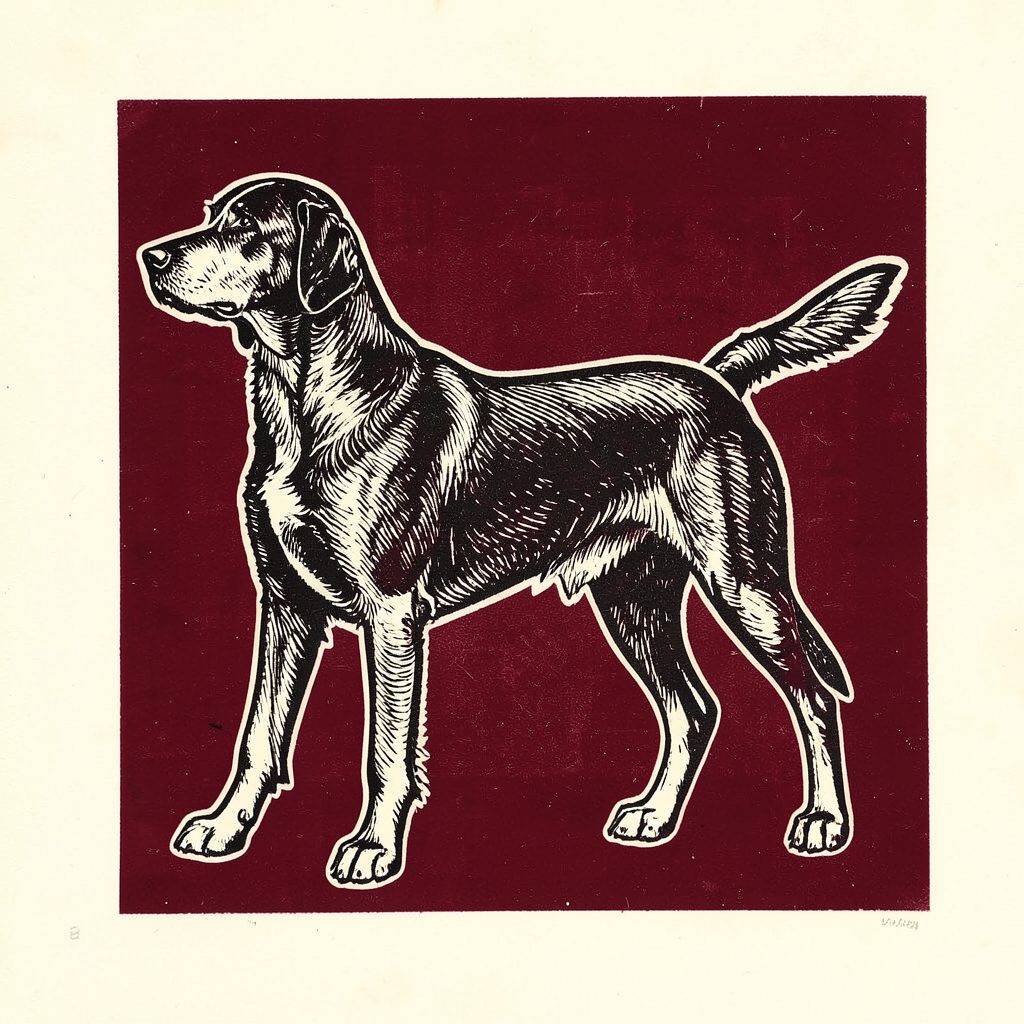
Reliable Recall Skills for Safer Park Adventures
A dependable recall gives your dog freedom while preserving safety. When your dog returns promptly after hearing a cue, off-leash time becomes more manageable, whether you are visiting a fenced recreation area, walking a quiet trail, or practicing in an open field.
Recall means more than teaching a dog to run toward you for a treat. Your dog must learn that coming back is worthwhile even when squirrels, other dogs, unfamiliar smells, and exciting movement compete for attention. Building that response requires short sessions, clear communication, and steady progress.
In DeLand and throughout West Volusia County, park conditions can change quickly. Warm weather, wildlife, bicycles, children, and crowded paths make reliable off-leash control especially important. Good training supports responsible dog ownership and helps every public space remain enjoyable for people and animals.
Choose A Clear Recall Cue
Select one short word or phrase that your household will use consistently, such as “come” or “here.” Avoid repeating it casually when you are not prepared to reward your dog. If the cue becomes background noise, your dog may learn that responding is optional.
Begin indoors or in another quiet location. Say the cue in a cheerful voice, move backward a few steps, and reward your dog immediately when they follow. Use small, appealing treats, enthusiastic praise, or a favorite toy. The reward should arrive as soon as your dog reaches you so the connection remains clear.
Never use the recall command to signal something your dog dislikes during early training. Calling your dog only to end play, enter a crate, or receive a bath can weaken the cue. Occasionally call your dog, reward them generously, and then release them to continue playing.
Build Distance And Distraction Gradually
Once your dog responds reliably at home, practice in a fenced yard or quiet outdoor area. Increase only one difficulty at a time: distance, duration, environmental stimulation, or the presence of another person. If your dog stops responding, the exercise has advanced too quickly.
A long training line provides a useful safety layer while your dog develops off-leash reliability. Let the line trail only in a clear area where it cannot wrap around people, trees, or equipment. Call your dog, gently guide them if necessary, and reward the moment they turn toward you and move in.
Use a high-value reward for difficult situations. Chicken, cheese, freeze-dried meat, or a favorite tug toy may be more motivating than ordinary kibble in a busy park. Vary the reward so your dog remains interested, but keep portions small enough to support healthy weight.
Practice In A Controlled Park Setting
The first park session should take place during a quiet period, preferably in a securely fenced area. Allow your dog to sniff and settle before asking for formal exercises. A dog that has had a few minutes to explore may be more able to focus than one expected to work immediately after arriving.
Start with easy recalls at close range. When your dog looks at you, say the cue once and move away in an inviting direction. Bend slightly, open your arms, and keep your tone warm. Avoid standing rigidly or reaching over your dog, since some animals interpret those gestures as pressure.
The following progression helps you judge when to add freedom. Move forward only after your dog responds successfully in the current setting several times in a row.
| Training stage | Location | Main goal | Safety measure |
|---|---|---|---|
| Foundation | Indoors | Turn toward the cue | Use treats and short sessions |
| Early outdoor work | Fenced yard | Return from a few steps away | Remove toys and food hazards |
| Mild distraction | Quiet fenced park | Respond around smells and movement | Use a long line |
| Busy practice | Active fenced area | Ignore dogs and people briefly | Keep distance from triggers |
| Off-leash test | Secure, permitted space | Return promptly from exploration | Continue supervision |
Even in a fenced area, watch your dog’s body language. Excessive panting, tucked posture, frantic scanning, or repeated avoidance can signal that the environment is too intense. Increase distance from distractions and return to an easier exercise rather than forcing a response.
Make Coming Back A Positive Choice
A strong recall depends on emotional value. Your dog should expect something good when they reach you, even if the original activity is ending. Reward the return first, attach the leash calmly, and offer another brief opportunity to sniff when possible.
Practice “collar touches” during training. Call your dog, reward them, gently touch the collar, reward again, and then release them. This prevents your dog from learning that a hand near the collar always means the fun is over or that restraint is coming.
Avoid chasing your dog if they move away. Chasing can turn the situation into an exciting game, particularly for young or energetic dogs. Instead, run in the opposite direction, crouch down, clap softly, or use a familiar toy. Keep your voice encouraging rather than angry.
Owners who want broader guidance can explore club membership benefits, including the value of learning alongside experienced dog people. Training classes and local club activities can provide controlled practice, practical feedback, and a supportive community.
Read The Park Before Releasing Your Dog
A park is never a neutral training area. Scan for open gates, damaged fencing, standing water, discarded food, wildlife, and nearby roads. Check whether the location permits off-leash activity and respect posted rules. A dog with excellent recall still needs an environment that allows safe freedom.
Observe other dogs before approaching. Some may be nervous, reactive, elderly, or recovering from illness. Do not assume every dog wants to interact. Keep your dog close when passing through narrow areas, near children, or around visitors who appear uncomfortable.
Weather also affects recall practice. Heat and humidity can reduce concentration and increase fatigue, while thunderstorms, fireworks, or loud equipment may trigger panic. Schedule training when your dog is physically comfortable and choose shaded areas with access to water.
Handle Missed Recalls Calmly
A missed recall is information, not a reason for punishment. Ask what interfered: Was the distraction too strong? Was the reward uninteresting? Did your dog need more exercise, distance, or decompression? Adjust the next repetition so success becomes more likely.
If your dog ignores the cue, do not repeat it over and over. Use the long line, move closer, or create a gentle change in direction. When your dog returns, reward generously and practice an easier recall before ending the session.
Keep a simple record of successful responses, locations, distractions, and reward types. Patterns will show where your dog is dependable and where additional work is needed. Reliability develops through many successful repetitions across different environments, not through one impressive training day.
A Practical Park Routine
A consistent routine helps both dog and handler stay focused. Keep sessions brief enough to finish while your dog is still engaged, and bring water, waste bags, a leash, a long line, and rewards that can compete with park distractions.
- Begin with five minutes of relaxed sniffing and observation.
- Practice three to five easy recalls before adding distance.
- Reward every successful return with food, play, praise, or renewed exploration.
- Include collar-touch exercises and brief leash practice.
- End after a successful response, then leave calmly.
Rotate between training and free sniffing when the location permits it. This teaches your dog that returning to you does not always remove access to enjoyable activities. It also reduces the temptation to avoid you when the recall cue sounds.
Attend to your own timing and posture. A clear cue, quick reward, relaxed shoulders, and steady movement communicate more effectively than repeated commands. Family members should follow the same rules so the dog receives one consistent lesson.
Reliable recall is a long-term safety skill that grows through patience, appropriate rewards, and careful management. Practice in secure spaces, respect local park requirements, and keep your dog leashed whenever the environment or your dog’s response is not fully dependable.
West Volusia Kennel Club supports owners who want to strengthen their training knowledge and participate responsibly in the local dog community. Use structured practice, seek qualified guidance when needed, and make every return to you a rewarding choice for your dog.