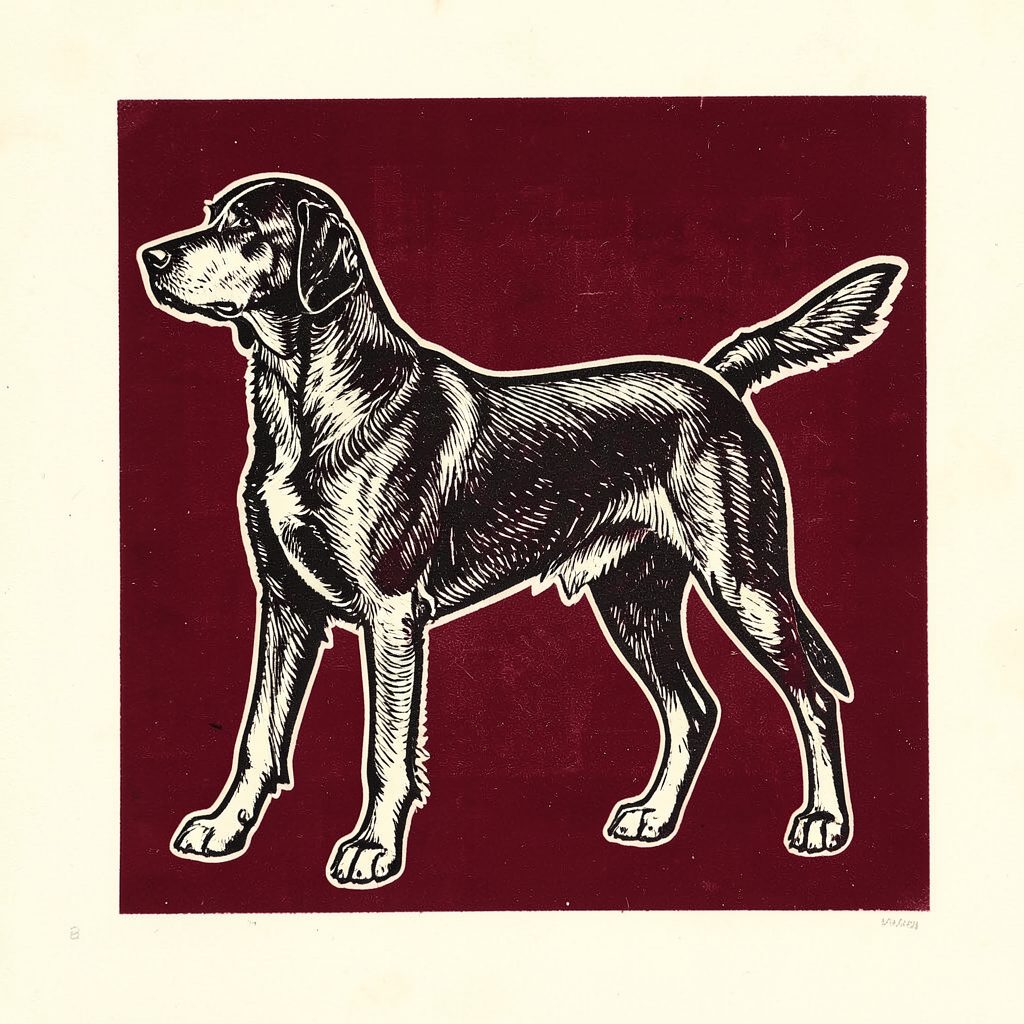
How to Teach Your Dog the Stand for Exam Command
Conformation judging depends on a dog’s ability to stand squarely while a judge studies its outline, balance and movement. The stand for exam is therefore more than a trick: it is a brief, cooperative picture that the handler creates and the dog holds. A relaxed body, level topline and natural head position matter more than an exaggerated pose.
Begin by separating two jobs: the dog learns to rise and remain standing, while you learn to position the feet and body accurately. That division keeps early sessions simple and prevents a dog that understands “stay” from being confused by the added demands of a show stack. The goal is a calm, repeatable setup that still feels natural when an unfamiliar person approaches.
Begin with a clear cue and small rewards
Choose one verbal cue, such as “stand,” or a consistent phrase such as “stand for exam,” and pair it with a hand signal from the first session. Say the cue once, not repeatedly while the dog is learning. A treat held just above the nose can encourage the head to lift and the weight to shift backwards; once the hips rise, mark the instant the dog is standing and deliver the reward between the front feet.
The first reward should arrive when the dog offers any part of the behaviour, such as lifting the rear or shifting forward onto all four legs. Marking a tiny approximation teaches faster than waiting for a perfect stack, which may never happen while the dog is being baited. Over several repetitions, move the treat in a tiny arc upwards and backwards, then return it to the chest so the dog learns to hold the position rather than follow your fingers.
Keep the first repetitions short. Ask for the cue, allow the dog to stand for one or two seconds, mark, reward, and release with a neutral word such as “easy” or “done.” The release word tells the dog that the exercise is finished and prevents an automatic freeze from becoming frustrating. Sessions of two or three minutes are often more productive than one long attempt.
Shape a square and balanced picture
Once your dog understands the cue, refine the stance. The front feet should sit approximately beneath the elbows, the hind feet should line up with the hocks, and the spine should remain level without a forced arch or crouch. Not every breed is physically built for the same picture, and an experienced conformation handler will adjust the ideal alignment to the dog’s structure rather than chase a generic outline.
Use your hands as guides, not as permanent supports. Place one foot, mark the correct placement, and reward while it remains in position. If the dog steps forward to reach a treat, move the treat back to the centre so the front feet cannot creep. A non-slip mat or low platform can provide a clear boundary, while a stable table used as a raised exercise surface gives some dogs the extra balance they need to stand still.
Your own timing influences the result. Quick recognition of a weight shift and precise food placement matter, much like the hand-eye timing involved in sports drills. A related explanation of developing reflexes and concentration offers a useful human-side parallel: sharper reactions help handlers notice and reward the correct moment instead of correcting too late.
Add the examination test
A dog that can stand in the kitchen has not yet proved it can stand for examination. Keep the reward close for the first stage, then gradually increase the distance between your hand and the dog while keeping the reward visible. A hide-and-seek game can work: move to another part of the room, say the cue once, and return to mark any moment the dog remains standing.
Introduce the release word before you need it. Practice asking the dog to hold the picture, walk half a circle around the front, return to the shoulder, and then say the release word. This teaches you to move around the dog without making it turn, sit or lean into you. If the dog breaks the stand, do not scold; reset calmly, reward a smaller hold, and return to the level the dog can manage.
Distraction work should be gradual and specific. A leash passing by, a household conversation or a treat on the floor can be harder than a noisy show ring, especially for a young dog. The West Volusia Kennel Club’s guide to a reliable stay describes a useful progression for adding movement and distractions without losing the connection between cue, position and reward.
Fit the training into Australian routines
Australian dog owners in cities such as Melbourne, Sydney and Brisbane often build routines around early-morning or after-work walks, fenced suburban yards and local dog parks. Those settings provide useful places to practise a brief stand, then continue with the ordinary walk. Carry a bag, keep your dog on a secure lead where required, and choose a quiet patch of grass so training does not become an encounter with another dog.
Warm weather shapes the schedule too. On hot days, train indoors or during cooler hours, provide water, and check that pavement is safe for paws. The Australian pet market offers clickers, long lines, treats and training aids through local pet shops and online retailers, while pet insurance is widely discussed as part of responsible ownership. These products support consistent practice, but a clear cue, fair timing and short sessions do the real work.
Rules differ across states, territories and local councils. Owners may need to register their dog, meet microchipping requirements or follow leash restrictions in parks and public areas, while some councils specify where dogs may be off lead. Check the relevant council before practising near playgrounds, wildlife areas or busy roads. For readers interested in club-based education and community events, the club contact page lists ways to enquire, and its positive-training principles apply wherever responsible ownership is practised.
Make the behaviour reliable and memorable
Test the final picture under changing conditions. Begin with a mat, then move to carpet, grass and a busy room. Add a familiar person at different distances, then use a neutral visitor who walks towards the dog and stops. The stand should continue only while the dog is comfortable; if a stranger’s approach creates anxiety, reward calm behaviour from a greater distance and approach with a different person later.
Watch for common faults such as sitting, stepping forward, spreading the feet, craning towards the reward or turning the head away. These often indicate that the duration is too long, the cue is unclear or the picture is not comfortable. Return to a short, successful repetition, mark the part the dog gets right, and build only one challenge at a time. A consistent release word and a clear reset are as important as the initial reward.
For a polished routine, practise three sets of two or three short stands, with a walk or water break between sets. Compare the dog’s position with the conformation standard for its breed, seek feedback from an experienced handler, and keep records of what the dog can sustain. Remember the principle behind every repetition: the dog must understand the cue, remain balanced while you create the picture, and receive an immediate mark before any release.