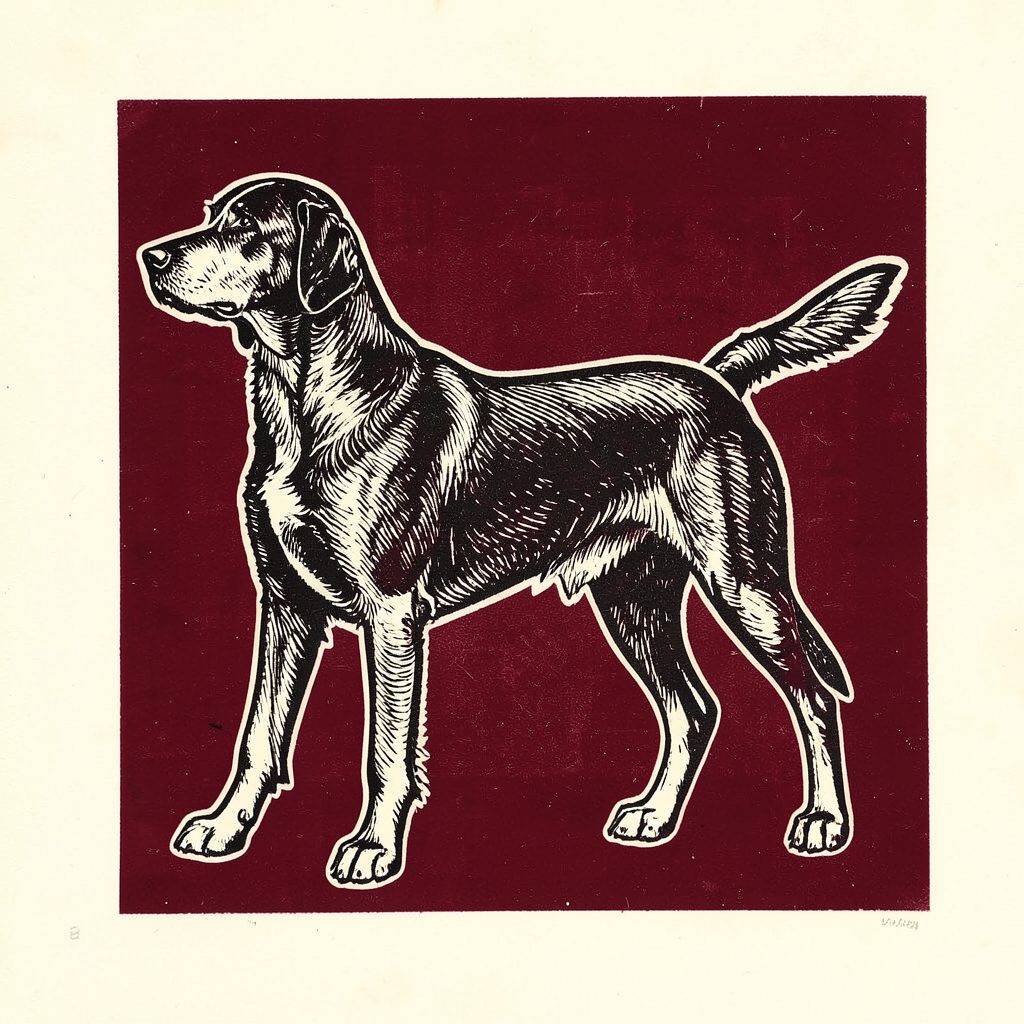
Teaching your dog to walk politely on a loose leash
A dog that pulls toward every person, squirrel, or interesting scent can make an ordinary walk tiring for both of you. Loose-leash walking gives your dog freedom to explore while keeping the lead relaxed, communication clear, and outings safer.
The goal is not a perfect heel with your dog’s shoulder locked beside your leg. Instead, aim for a comfortable walking position in which your dog can sniff, look around, and change direction without dragging you forward. This skill develops through short, consistent training sessions rather than one long lesson.
In DeLand and throughout West Volusia County, everyday walks may include busy sidewalks, parks, neighborhood traffic, and encounters with other dogs. Building reliable leash manners at home first makes those local adventures easier to manage.
Begin with the right equipment and expectations
Choose a comfortable, well-fitted flat collar or harness and a standard leash. A leash around four to six feet long usually provides enough room for movement without creating excessive distance. Avoid relying on retractable leads while teaching because the changing tension can make the desired behavior unclear.
Bring small, soft treats that your dog can eat quickly. You may also use a favorite toy or cheerful verbal praise, depending on what motivates your companion. Training should begin when your dog is calm enough to notice you; an overexcited dog will have difficulty learning near distractions.
Before stepping outside, decide what “loose leash” means in your household. The leash may form a gentle curve, and your dog may walk slightly ahead or beside you, but pulling should not move the walk forward. Everyone who handles the dog should use the same standard.
Teach attention before taking a walk
Start in a quiet room with your dog near you. Say the dog’s name once, and reward the moment they look in your direction. Repeat several times, then add a cue such as “watch,” “with me,” or “let’s go.” Keep your voice upbeat and avoid repeating the cue if your dog is not responding.
Next, take one or two steps around the room. When your dog follows and the leash stays slack, mark the behavior with “yes” or a clicker and deliver a treat near your leg. Rewarding at the position you want helps your dog understand where to return.
Gradually move through a hallway, garage, or fenced yard. Change direction often, rewarding your dog for noticing and following you. These simple leash-training exercises teach that paying attention to the handler is worthwhile, even before outdoor distractions enter the picture.
Use pulling as a signal to pause
When your dog reaches the end of the leash, stop moving. Keep your hands quiet and wait for slack. The instant your dog turns toward you, steps back, or loosens the lead, mark the behavior and continue walking. This teaches that a relaxed leash makes the walk proceed.
If your dog continues leaning into the collar or harness, calmly turn and walk in another direction. Do not jerk the leash or scold. A smooth change of direction removes access to the distraction while giving your dog a clear opportunity to follow.
At first, reward frequently—perhaps every few steps. As your dog improves, vary the interval between treats and replace some food rewards with permission to sniff, praise, or a brief game. Sniffing is valuable enrichment, so it can become part of the reward system rather than something your dog must constantly resist.
Add distractions in manageable stages
Outdoor training works best when distractions increase gradually. Begin in a quiet yard or nearly empty street, then practice near mild activity before attempting a crowded park or busy event. If your dog cannot respond to their name or take a treat, the environment is probably too difficult at that moment.
Create distance from triggers such as bicycles, children, unfamiliar dogs, or wildlife. Ask for a brief glance at you, reward it, and move away before your dog begins pulling or barking. This approach combines loose-leash work with calm behavior around distractions.
Keep sessions short, often five to fifteen minutes, and finish while your dog is still successful. A separate relaxed sniff walk can meet exercise and exploration needs without turning every outing into a formal training drill. Puppies, senior dogs, and easily overstimulated dogs may need even shorter practice periods.
Compare training stages and common responses
Progress is easier to evaluate when each stage has a clear goal. Move forward only when your dog can succeed repeatedly in the current setting. Occasional mistakes are normal, but frequent pulling means you should reduce distance, shorten the session, or choose a quieter location.
| Training stage | Main goal | Useful reward | When to progress |
|---|---|---|---|
| Quiet room | Follow one or two steps | Tiny treats and praise | Your dog responds to their name and follows willingly |
| Hallway or yard | Walk several steps with slack | Food, play, or a release to sniff | Your dog can change direction without lunging |
| Quiet neighborhood | Maintain attention around mild sounds | Intermittent treats and sniff breaks | Pulling is infrequent and easily interrupted |
| Busier outdoor area | Pass distractions calmly | High-value treats and added distance | Your dog can disengage from common triggers |
| Community walk or event | Use skills in a changing environment | Mixed rewards and frequent breaks | Your dog remains responsive when activity rises |
The pace will differ between dogs. Breed tendencies, age, previous leash habits, and emotional responses all affect learning. A young sporting dog may need more opportunities to move and sniff, while a nervous dog may need careful distance and confidence-building before walking near crowds.
Make good leash manners part of daily life
Consistency matters more than occasional intensive practice. If pulling sometimes earns access to a tree, another dog, or the end of the block, your dog may keep trying because the behavior has paid off before. Pause or redirect every time practical, even if the walk takes longer.
Use doorways, driveways, and crossings as opportunities to reinforce calm behavior. Ask your dog to wait briefly before leaving, reward a slack leash as you step outside, and practice stopping at curbs. These routines support impulse control without making the outing rigid.
If your dog lunges, growls, or becomes fearful around people or dogs, prioritize safety and seek guidance from a qualified, reward-based trainer. A well-run obedience class can provide controlled practice and coaching. Local owners interested in responsible dog activities can learn about membership steps with the West Volusia Kennel Club, which supports training, education, and community involvement.
Keep practice positive and practical
A loose leash is a communication skill, not a test of dominance. Reward the choices you want, manage the environment when necessary, and allow your dog appropriate freedom within safe boundaries. Harnesses, long lines in suitable areas, and enrichment games can complement training, but no tool replaces clear timing and consistent handling.
Track small improvements: fewer surges toward scents, faster responses to their name, or the ability to recover after seeing another dog. These changes show that your dog is learning even when a walk is not flawless. Celebrate calm moments instead of waiting for perfect behavior.
Use these habits to keep progress steady:
- Practice in short sessions several times a week rather than drilling for a long period.
- Reward slack leash, voluntary check-ins, and calm responses before distractions become intense.
- Change direction or pause without leash corrections when your dog begins to pull.
- Increase distance from triggers and return to an easier setting when your dog loses focus.
- Mix training with sniffing, play, and relaxed walking so outings remain enjoyable.
With patience and repetition, your dog can learn that staying connected to you leads to more freedom, exploration, and rewarding experiences. Start with a few quiet steps today, then build toward the walks you want to share around West Volusia. For local training information, club activities, or guidance about available programs, contact the club and connect with people who value responsible, enjoyable dog ownership.