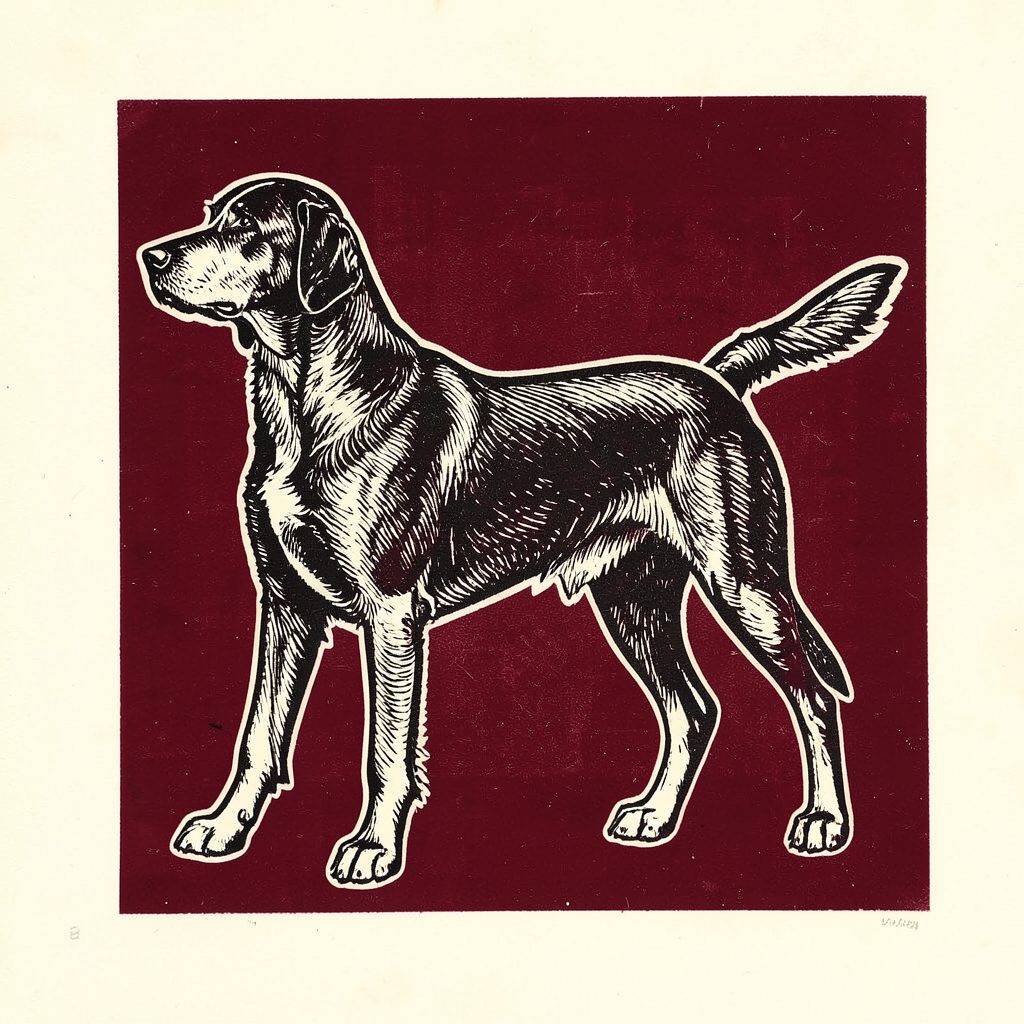
Teaching your dog to greet people politely
A polite greeting is a learned behaviour, not a personality trait. Dogs often jump, bark, spin or push forward because they are excited, worried or unsure what is expected. With clear practice, your dog can learn that calm feet, a soft body and permission to approach make greetings more rewarding.
This skill matters in ordinary Australian life. A dog may meet neighbours on a narrow Melbourne footpath, pass families near a Sydney beach, or encounter café customers in Brisbane. Busy streets, school pick-up areas and dog-friendly shops create plenty of moments when a reliable greeting makes life easier for everyone.
Start with realistic expectations. A puppy may manage only one second of stillness, while an adolescent dog may need distance from visitors, prams or other dogs. The aim is not to make every dog say hello. A successful greeting can mean calmly ignoring someone and staying beside you.
Short, frequent sessions work better than dramatic training attempts. Use rewards your dog values, keep the lead loose where possible and give people simple instructions. A neighbour who waits quietly for four paws on the ground can help your dog succeed far more than an enthusiastic visitor who reaches over its head.
Read what your dog is communicating
Before changing a greeting, identify the emotion behind it. A dog that jumps with a loose, wiggly body may be overexcited. A dog that barks while leaning away, tucks its tail or avoids eye contact may be uncomfortable. These dogs need space and confidence-building, not closer contact.
Watch for early signs such as lip licking, yawning, turning the head, sudden sniffing, stiffening or hiding behind your legs. These signals often appear before a lunge or bark. Move away while your dog can still think, then reward attention towards you.
Children should never be asked to hug, corner or stare at an unfamiliar dog. Explain that a dog may choose whether to come closer. In Australian parks and shared housing areas, respectful distance is especially important when dogs and children meet in narrow paths or lift foyers.
Teach a default greeting behaviour
Choose one behaviour that replaces jumping. “Four paws on the floor” is easy for visitors to understand, while a hand target, sit or standing beside your leg can give your dog a clear job. Begin in a quiet room with no visitor present, rewarding the behaviour several times in quick succession.
Add a low-level distraction, such as a family member walking past. If your dog stays grounded, mark the moment with a calm “yes” and deliver a treat near the floor. Feeding low helps keep the dog’s body down and reduces the chance of launching upwards.
Avoid pushing a dog down, kneeing its chest or repeating “off” while it continues jumping. Those actions can add excitement or create anxiety around hands. Instead, the person should turn away and remove attention, then re-engage when the dog returns to the desired position.
Practise a release cue such as “say hello” only after your dog is calm. The cue gives permission to approach for a brief sniff. Follow it with “let’s go” and reward your dog for returning, so greeting does not become an uncontrolled, lengthy interaction.
Match the training to the situation
A front-door greeting is different from meeting someone on a walk. At home, place a mat several steps from the entrance and reward your dog for going there when the bell rings. Use a lead or baby gate during early sessions, allowing the visitor to enter without creating a rush at the doorway.
On a footpath, keep enough room for your dog to respond. In central Melbourne, crowded pavements and trams can make a close encounter unavoidable, so practise moving behind a parked car, crossing the street or using a cheerful “find it” scatter of treats. In Sydney, do the same around busy beach entrances and off-leash boundaries.
A dog does not need to greet every person. If someone asks to pat your dog, you can say, “We’re training, so please wait while he settles.” This is courteous and clear. In a pet-friendly café, settle your dog under the table rather than allowing every nearby customer to lean over it.
| Situation | Early goal | Useful response |
|---|---|---|
| Visitor at home | Stay on a mat for a few seconds | Reward, then release to greet |
| Person on a footpath | Notice the person without pulling | Increase distance and reward eye contact |
| Child approaching | Remain beside the handler | Ask the child to wait and keep hands low |
| Dog-friendly café | Relax near the chair | Give a chew or quiet food puzzle |
| Busy park entrance | Walk past without rushing | Use a practiced turn-away cue |
Build calm greeting habits
Training works best when the environment supports the behaviour. Choose quieter times for early walks, keep high-value treats in a pouch and use a harness or lead setup that gives you control without constant tension. Check local council rules before practising in an off-leash area, since boundaries and requirements vary between Australian councils.
Useful practice settings:
- A quiet residential footpath
- A friend’s front gate
- The edge of a calm dog park
- A pet-friendly outdoor café during a quiet period
Reward choices:
- Looking at the person and then back at you
- Keeping four paws on the ground
- Turning away when asked
- Returning after a brief greeting
Vary the people involved, including calm adults, people wearing hats and visitors carrying bags. Progress gradually rather than arranging a crowded gathering. A dog that succeeds with one familiar person may still need extra space around a courier, cyclist or excited child.
For owners in West Volusia County, local dog-club activities can provide structured opportunities to observe training, obedience and responsible handling. Checking the club events can also show how organised canine activities create predictable settings for dogs and handlers, even though the same calm-greeting principles apply in Australia.
Manage excitement before it spills over
A dog that has just arrived at a stimulating park may be unable to greet politely. Give it time to sniff, walk and decompress before inviting interaction. In Brisbane’s warmer months, schedule training in the cooler morning or evening and carry water; heat and fatigue can make self-control harder.
Use a simple pattern: notice, pause, reward, move on. When your dog spots a person, say its name or use a familiar attention cue. Reward the glance towards you, then continue walking. If the dog pulls or vocalises, increase distance rather than waiting for the behaviour to intensify.
For dogs that love people, practise brief greetings followed by calm separation. For dogs that are nervous, begin by watching people from far away. A dog that can eat treats, sniff and respond to its handler is within a useful learning zone. A dog that freezes, lunges or refuses food needs more space.
At home, ask visitors to ignore the dog at first. They can sit sideways, avoid reaching over the head and toss treats behind the dog rather than luring it closer. This allows the dog to approach, retreat and make sensible choices without being trapped in a direct interaction.
Keep progress reliable in daily life
Polite greetings depend on reinforcement over time. If jumping occasionally earns pats, eye contact or excited conversation, the behaviour may continue because intermittent rewards are powerful. Everyone in the household should follow the same rule: attention begins when the dog is calm.
Expect setbacks during adolescence, after a move or when the dog is tired or unwell. Australian households may also face sudden changes such as storms, fireworks, visitors during holidays or crowded summer events. Reduce the difficulty, return to familiar exercises and reward small signs of composure.
A practical weekly routine can include two minutes of mat work, several calm pass-bys on a walk and one planned visitor session. Keep a simple note of distance, distractions and recovery time. Improvement is often seen as faster recovery and better choices, rather than perfect stillness in every setting.
The most useful greeting is one your dog can perform safely in real life. Teach a clear alternative to jumping, protect personal space, reward calm decisions and allow people to pass without interaction when needed. On the next walk, begin with enough distance for your dog to notice a person, look back at you and earn a treat before moving on.