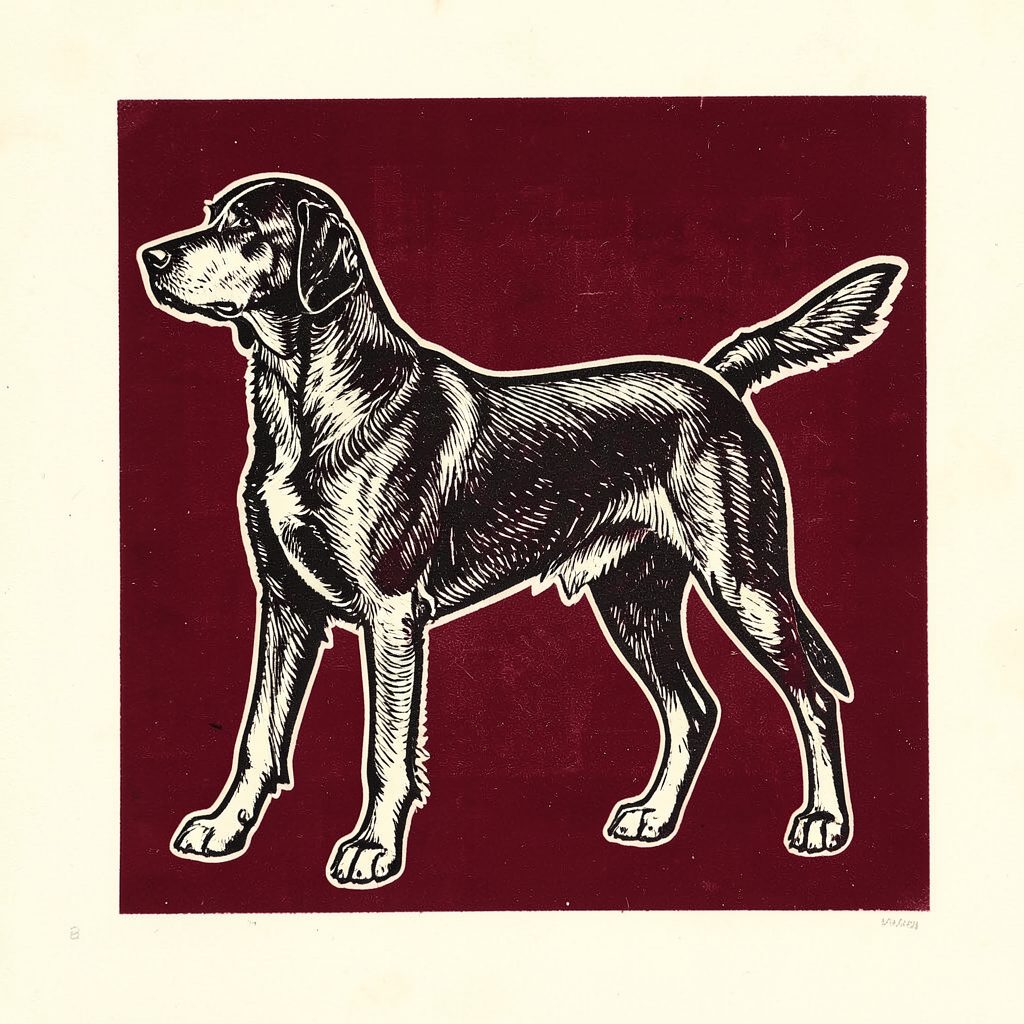
The Art of Stacking Your Dog for a Conformation Judge
In the conformation ring, a well-stacked dog gives the judge a clear view of structure, balance, breed type, and condition. Stacking is the practiced presentation of a dog’s feet, topline, head, tail, and overall outline while the handler keeps the animal calm and attentive. It should look effortless, but the best presentations are built through careful training.
A correct pose cannot disguise poor structure, nor should it force a dog into an uncomfortable position. The goal is to show the dog honestly and attractively, using a stance that reflects the breed standard. Small adjustments can influence how a judge sees shoulder placement, rear angulation, length of back, chest depth, and overall proportion.
For owners in DeLand and throughout West Volusia County, learning these skills can make dog shows more enjoyable and less stressful. With patience, sound handling, and respect for the dog’s comfort, stacking becomes a form of communication between the dog, handler, and judge.
Why Stacking Matters
A judge often has only a short time to assess each entry. When a dog stands naturally and confidently, the judge can evaluate its silhouette without distraction. A stable stack helps display the topline, underline, feet, pasterns, rear assembly, and relationship between the front and rear quarters.
Stacking also demonstrates the dog’s training and temperament. A dog that can stand quietly, accept examination, and remain focused shows preparation and cooperation. The handler’s job is to support that presentation without constantly repositioning the dog or creating tension through the lead.
The ideal pose varies by breed. Sporting, working, terrier, toy, hound, and herding breeds may differ greatly in foot placement, head carriage, tail position, and the amount of hand-stacking expected. Breed-specific guidance should always take priority over a generic show stance.
Know Your Breed’s Ideal Picture
Start by studying the written breed standard and observing accomplished dogs at reputable shows. Photographs can help, but live observation reveals details that images often miss, including natural balance, movement into the stack, and how a dog carries itself when relaxed.
Pay attention to the front assembly, shoulder layback, rear angulation, body proportions, and topline. Some breeds are usually presented with all four feet carefully placed by hand, while others may be “free-stacked,” allowing the dog to settle into position through training and movement. Learn which approach is customary for your breed and ring level.
A breeder, experienced handler, or qualified instructor can provide valuable feedback. The West Volusia Kennel Club offers conformation training for owners who want structured guidance on ring procedure, handling technique, and presentation.
Build A Calm Training Routine
Begin at home on a non-slip surface with short sessions lasting only a few minutes. Reward the dog for standing still, looking forward, and keeping its weight evenly distributed. Use a small, appealing treat or a favorite quiet toy, depending on what helps the dog focus without becoming frantic.
Introduce touch gradually. Run your hands over the shoulders, back, legs, feet, tail, and head, then practice gently examining the mouth if that is appropriate for the breed. The dog should learn that a stranger may approach, place hands on the body, inspect the bite, and move around the rear without causing alarm.
Practice the entire sequence in small pieces: entering the ring, moving at the correct pace, stopping, stacking, allowing examination, and moving again. Change locations and surfaces so the dog does not associate the behavior with only one room. End each session while the dog is still successful and relaxed.
Place The Feet With Purpose
When hand-stacking, position the feet in a way that reveals the dog’s natural balance rather than stretching the body beyond comfort. The front feet should support the chest evenly, while the rear feet should show appropriate angulation and hock placement. Avoid placing a foot so far back that the dog appears overextended or loses stability.
Work methodically from one area to another. Many handlers begin with the front feet, then adjust the rear feet, topline, head, and tail. Others use a breed-specific sequence. Whichever method you choose, make each movement deliberate and light, using the lead and bait to guide attention rather than pulling the dog into place.
Watch the dog’s weight distribution. A dog may look correctly positioned while leaning onto one leg, rocking backward, or lifting a foot. The stance should be steady enough for examination and natural enough that the dog can hold it without strain.
Read The Judge’s View
Handlers often see the dog from above or from behind, while the judge views it from several angles. Practice standing where a judge would stand and check the outline at eye level. A pose that looks attractive from the handler’s side may hide a weak topline, uneven feet, or an incorrect rear stance.
During examination, keep your hands quiet and your attention on the dog. If a foot shifts, make a subtle correction when appropriate, but avoid constant fussing. A composed handler helps the dog remain composed. The judge should be able to assess the animal without competing with the presentation.
| Presentation detail | What it helps the judge evaluate | Handler’s focus |
|---|---|---|
| Front feet | Chest support and forequarter balance | Keep feet parallel and weight even |
| Rear feet | Angulation, hocks, and propulsion | Show the breed’s natural rear stance |
| Topline | Back, loin, and overall balance | Avoid excessive stretching |
| Head carriage | Breed expression and attention | Use quiet bait and a relaxed lead |
| Overall posture | Confidence, condition, and temperament | Make small corrections only |
A good stack is part of a larger performance that includes movement. The judge will compare the stationary outline with the dog’s gait, so do not force a position that disappears as soon as the dog starts moving.
Prepare For The Ring
Show-day preparation affects the quality of the stack. A dog that is hungry, overheated, overstimulated, or unfamiliar with the venue may struggle to stand still. Schedule exercise early enough to take the edge off without tiring the dog, and allow time for grooming, hydration, and a quiet bathroom break.
Bring equipment that supports calm handling: an appropriate show lead, bait, grooming supplies, water, cleanup materials, and a secure crate or resting area. The club’s show-day checklist can help beginners organize supplies before leaving home.
A practical ring-side routine includes:
- Arrive early enough for check-in, grooming, and a brief settling walk.
- Warm up with short stacks, a few controlled steps, and simple attention exercises.
- Keep bait, lead, and grooming tools accessible but out of the dog’s way.
- Watch the ring for cues while preserving the dog’s focus and comfort.
- Praise quiet cooperation and reset calmly after mistakes.
The handler’s clothing, posture, and movement matter as well. Wear shoes that provide secure footing, keep the lead neat, and avoid blocking the judge’s view. Stand tall, breathe steadily, and move with purpose. Dogs notice hurried hands and nervous body language, often mirroring the handler’s tension.
Stacking is a skill developed through repetition, observation, and trust. Attend local shows, learn from experienced exhibitors, and give your dog time to mature into confident ring behavior. West Volusia Kennel Club welcomes owners who want to build responsible handling skills while enjoying the sport and community of purebred dogs.
Bring your dog’s breed standard, a patient training plan, and a willingness to practice small details. With consistent work and guidance from knowledgeable club members, your dog can enter the ring prepared to stand comfortably, move confidently, and present its true qualities clearly to the judge.