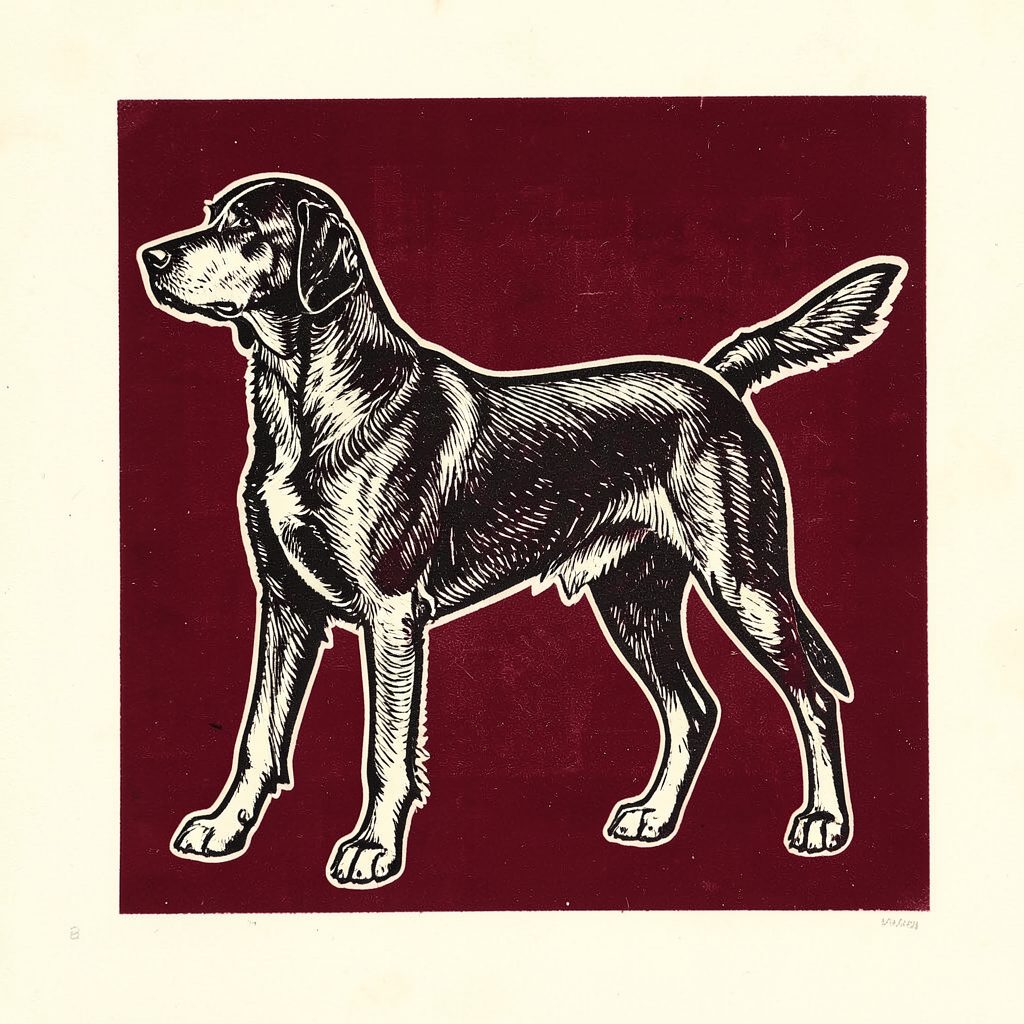
Canine conditioning for active dogs
An active dog usually has plenty of energy, but energy alone does not create a reliable companion. Canine conditioning gives that energy a job: linking what the dog does with a predictable outcome, then practising the behaviour until it works in ordinary settings. It applies to a working kelpie, a busy labrador, a terrier who drags after every squirrel, and a calm household dog learning polite greetings.
Conditioning is a learning process, not a test of endurance. A consequence that the dog values makes a behaviour more likely to repeat, while an unpleasant consequence may suppress it without teaching an alternative. Pet dogs benefit most from positive reinforcement: capturing or shaping an action, marking it clearly, and rewarding it. The goal is not to exhaust the dog, but to create a clear connection between timing, behaviour and reward.
Australian owners often manage a mix of environments: a suburban backyard, a local off-leash area, a beach path and a bushland track. Busy destinations such as Albert Park in Melbourne or the river paths around Brisbane add their own signage and wildlife considerations. Councils set different rules for registration, leashing and restricted areas, while summer heat can make an afternoon outing risky. Everyday language such as “arvo” and “walkies” may sound casual, but responsible care remains serious: water, shade, safe footing and attention to snakes and kangaroos all matter.
Build around the dog in front of you, not an idealised version. Start with a behaviour the dog can perform now, make success easy and raise the difficulty gradually. Short, cheerful repetitions usually beat one long session of repeated failure.
What conditioning actually means
Everyday learning happens constantly. The rustle of a treat pouch can announce a training session, and the sound of a lead can suggest a walk. This is classical conditioning: a neutral signal gains value through repeated pairing with something desirable. If dinner always arrives after a particular bark, that bark may become a request for dinner. Useful cues are deliberate and predictable; accidental cues create confusion.
Operant conditioning acts on the consequence of a behaviour. If sitting is followed by praise, a food reward and release to play, sitting becomes easier to offer. If the dog is repeatedly called away from a game, however, the recall cue may become associated with ending fun. Keep a distinct cue for the behaviour you want, reward promptly, and avoid using one word to mean several different actions.
Build a dependable reward habit
Choose rewards the dog actually values, such as small pieces of soft food, chew fragments or a brief game. Delivery matters: mark the exact moment the desired behaviour occurs, give the reward, then let the dog return to neutral. A clicker or verbal marker can make that timing easier, although enthusiastic praise works too. Keep treats tiny and hands quiet after delivery so the dog learns to perform rather than follow your fingers.
Repeat the behaviour enough times that it is predictable, then reduce the frequency of rewards. Continuous reinforcement is useful while learning; intermittent reinforcement helps a behaviour last. If rewards stop suddenly, the dog may try harder, but that is not proof of more reliable learning. Owners who want further study can explore the training resources at OTTPA and practise a few minutes at a time.
Shape focus and body control
Start by capturing behaviour your dog already offers: a calm glance, a hip shift, settling on a mat or stepping neatly past a bin. Reward each useful moment. Capturing builds a foundation without asking the dog to understand a complex instruction on day one.
Shaping adds small steps. To teach a turn, you might reward a weight shift, then one foot, then a quarter turn, gradually adding the parts. Each approximation should be distinct enough to recognise. A lure can show direction, but use it briefly and mark the completed action so the behaviour does not depend on food in sight.
For an active dog, body control may deliver more value than flashy tricks. A dog that can wait at a door, walk on a loose lead, lie on a mat and disengage from another dog has practical skills for busy outings. Reward calm as readily as movement, and allow the dog to sniff and decompress during walks; relaxed investigation is useful behaviour, not wasted time.
Make recall worth hearing
A reliable recall begins with a picture of the dog coming willingly. Indoors, say the cue once, encourage the dog to move towards you, mark the arrival and deliver a high-value reward. Outdoors, use a long line so reaching you is safe. Let the dog return to sniffing rather than ending every recall with an immediate leash restraint, which can teach that coming in means the fun stops.
Build duration and distance before adding pressure. Reward a quick response, then ask for a slightly longer stay or a recall from greater distance. Do not repeat the cue insistently or add frustration; that teaches the dog to ignore it. If the dog does not respond, reduce the difficulty, guide the movement and reward any approximation. Frequent, successful repetitions make the cue more valuable than food alone.
Add distractions without losing control
Distractions should rise in small steps. Begin in a quiet room, then add a household sound, a person walking past, a fenced dog and finally an open park. At each level, reward the dog for noticing the distraction and still offering the behaviour. If attention collapses, move back to the last level that worked. The aim is not to bulldoze through fear; it is to teach the dog that a cue still pays while the world remains interesting.
Read the body as closely as the cue. A tucked tail, lip licking, repeated yawning, freezing, pacing or a sudden inability to eat can indicate stress, so increase distance and end the session. Australian heat adds another limit: choose cooler parts of the day, test pavement with the back of your hand, carry water and avoid strenuous work near busy roads.
Fit conditioning into Australian life
Put conditioning into the routine rather than saving it for competition. A short session before breakfast, a mat settle while coffee brews, or a recall game in a quiet paddock can maintain skills. Physical work should support training rather than replace it. Scavenging games, food puzzles, safe scent searches and regular opportunities to explore give active dogs mental work, while rest days help prevent overuse.
Responsible ownership also means following local council rules, using suitable identification and checking that any off-leash place is genuinely permitted. In the United States, the AKC-affiliated West Volusia Kennel Club in DeLand, Florida, supports community education through obedience training classes, adoption listings, breeder referrals, local events and the Prison Pups N Pals programme. Australian owners can look for an analogous kennel club, registered trainer or accredited obedience school, while adapting advice to local laws and climate.
Trainer support can be useful when a behaviour is unclear, equipment is needed or progress has stalled. Keep a simple record of cues, rewards, distractions and successful repetitions; this reveals whether the dog is learning or simply receiving plenty of treats.
Conditioning gives an active dog a way to use judgement, not just movement. Each well-timed reward links a behaviour to a reliable outcome, and each gradual increase in difficulty prepares that behaviour for real life.
The habit worth remembering is simple: make the right response easy, reward it promptly, and build distractions at the dog’s pace. A dog who can focus, return and settle safely is far more prepared for daily life than one who merely runs until exhausted.