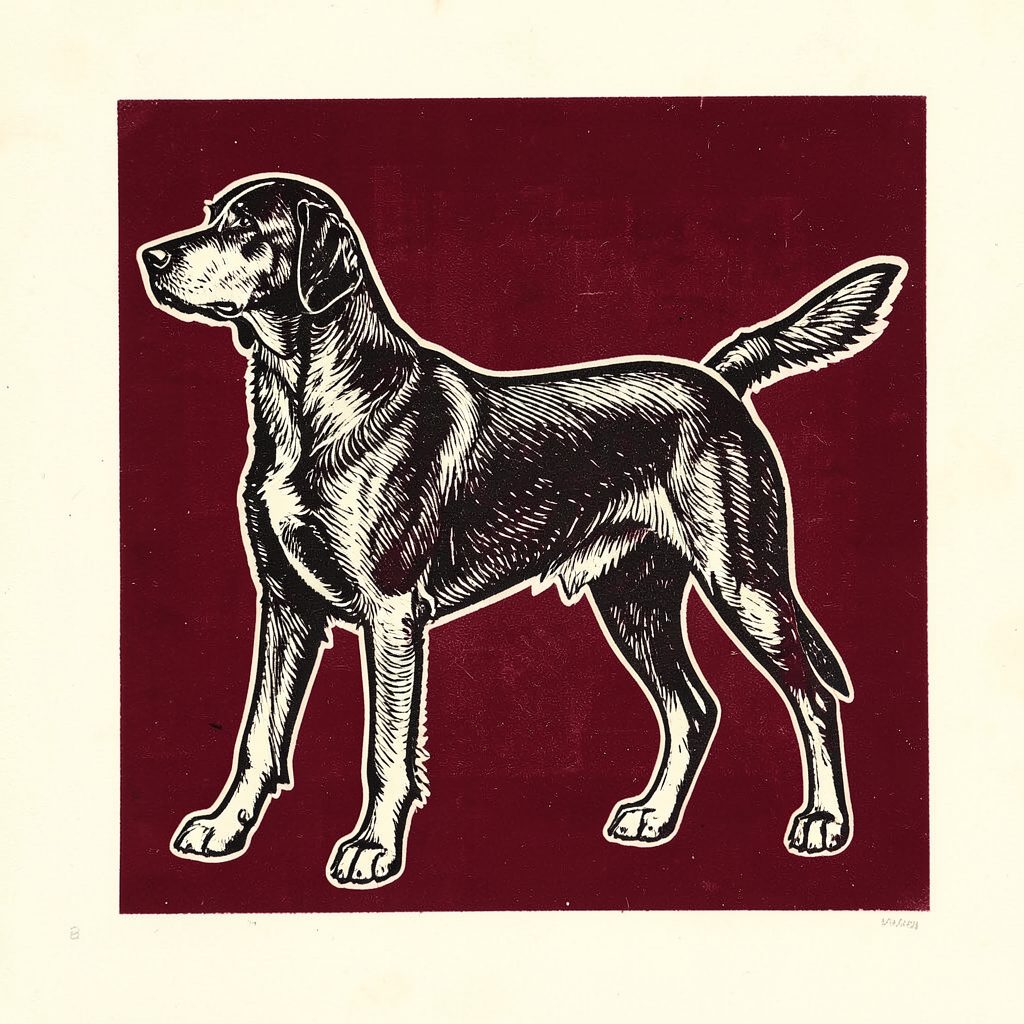
Why spaying and neutering matter for family dogs
Spaying and neutering are among the most important decisions a dog owner makes for long-term health, behavior, and responsible pet ownership. Spaying refers to removing a female dog’s reproductive organs, while neutering generally means removing a male dog’s testicles. Both procedures prevent accidental litters and can reduce certain medical and behavioral concerns.
The right timing is individual. A puppy’s breed, adult size, health history, lifestyle, and risk of unwanted breeding all matter. A veterinarian can explain the benefits and possible trade-offs for a specific dog instead of relying on a single age recommendation.
For families in DeLand and throughout West Volusia County, making an informed choice also supports local animal welfare. Fewer unplanned litters mean fewer dogs entering shelters, rescue programs, or homes that are not prepared for the financial and daily commitment of raising puppies.
Protecting dogs from serious health problems
Spaying eliminates the possibility of uterine infections such as pyometra, a potentially life-threatening condition that can require emergency surgery. It also removes the risk of ovarian and uterine cancers. When performed before certain heat cycles, spaying can significantly lower the risk of mammary tumors, although the level of protection depends on timing and the individual dog.
Neutering removes the risk of testicular cancer and may reduce the likelihood of some prostate conditions. It can also prevent injuries associated with roaming in search of a mate. A male dog determined to reach a female in heat may escape a yard, cross roads, or become involved in fights with other dogs.
These procedures do not guarantee perfect health, and they are not substitutes for vaccinations, parasite prevention, dental care, exercise, or routine veterinary examinations. They are one part of a broader preventive care plan that should be tailored to the dog.
Supporting safer behavior and daily life
Hormones can influence behaviors such as marking, mounting, roaming, and intense interest in finding a mate. Neutering may reduce some of these behaviors, particularly when the procedure is performed before they become deeply established. Spaying stops heat cycles, which can make household routines simpler and prevent male dogs from gathering around a female.
Behavior is shaped by many factors, including genetics, training, socialization, anxiety, and the home environment. Spaying or neutering should therefore be viewed as a helpful health and management measure rather than a guaranteed cure for aggression or every training challenge. Positive reinforcement and consistent guidance remain essential.
Dogs involved in conformation, obedience, or community activities also benefit from thoughtful management. A well-trained dog is easier to handle in public, at events, and around other animals, whether or not the dog is used for breeding.
Reducing accidental litters and shelter pressure
An unplanned litter can happen quickly. A gate left open, an intact dog at a gathering, or a brief lapse in supervision may result in puppies. Finding responsible homes for every puppy requires time, screening, veterinary expenses, and a long-term commitment to follow-up care.
Spaying and neutering help reduce the number of puppies born without a carefully prepared placement plan. This matters because shelters and rescue groups often receive dogs of all ages, including animals surrendered when owners underestimate the cost, exercise needs, or training demands of a growing dog.
West Volusia Kennel Club promotes informed ownership through education, events, training opportunities, adoption listings, and breeder referrals. Its club's mission reflects the value of placing canine welfare and responsible stewardship at the center of the local dog community.
Choosing the right timing with your veterinarian
There is no universal schedule that suits every dog. Many veterinarians traditionally recommend surgery during puppyhood, while current guidance often considers breed, projected adult weight, orthopedic development, and medical history. Some larger dogs may benefit from waiting until they are more physically mature, while other dogs face a higher risk from remaining intact.
A veterinarian can discuss whether an early or delayed procedure is most suitable. The conversation may include heat-cycle management, cancer risk, joint health, anesthesia, recovery, and the likelihood of the dog encountering other intact animals. Dogs with existing health conditions may need additional testing before surgery.
Owners should also ask about pain control, activity restrictions, incision care, and warning signs after the operation. Most dogs recover well, but swelling, discharge, persistent vomiting, extreme lethargy, or damage to the incision warrants prompt veterinary advice.
| Consideration | Spaying a female dog | Neutering a male dog |
|---|---|---|
| Reproduction | Prevents pregnancy and heat cycles | Prevents fathering litters |
| Major health benefit | Prevents uterine infection and removes ovarian and uterine cancer risk | Prevents testicular cancer and may reduce some prostate problems |
| Possible behavior effects | Eliminates heat-related behaviors | May reduce roaming, marking, and mating behaviors |
| Timing factors | Breed, maturity, heat history, and health | Breed, growth, maturity, and health |
| Owner responsibility | Postoperative rest and incision monitoring | Postoperative rest and incision monitoring |
Preparing for surgery and recovery
Before surgery, follow the clinic’s instructions about fasting, medications, transportation, and identification. A secure, quiet recovery area should be ready at home. Most dogs need restricted running, jumping, swimming, and rough play for a period specified by the veterinary team.
An Elizabethan collar or recovery suit may prevent licking and chewing. Owners should inspect the incision daily without applying creams or household remedies unless the veterinarian recommends them. Giving only prescribed medications is important because common human pain relievers can be dangerous for dogs.
Weight management becomes especially important after sterilization because some dogs need fewer calories afterward. Measured meals, regular exercise after recovery, and routine weight checks can help prevent obesity. Training, enrichment toys, and calm mental activities can keep a recovering dog occupied without excessive movement.
Making a responsible decision for your dog
A thoughtful decision considers more than the convenience of preventing a litter. Owners should weigh their dog’s medical needs, living arrangements, escape risk, access to intact animals, participation in breeding programs, and ability to manage a heat cycle or mating behavior. A dog from a carefully planned breeding program may have different considerations from a companion animal adopted without breeding intentions.
For owners considering breeding, health testing, genetic screening, temperament evaluation, pregnancy care, puppy socialization, and lifetime placement support are all part of ethical planning. A breeder referral or conversation with an experienced kennel club member can provide useful context, but the final medical decision belongs with the owner and veterinarian.
Practical steps can make the process easier:
- Schedule a veterinary consultation before choosing a surgery date.
- Ask how breed, size, age, and health history affect recommended timing.
- Arrange secure indoor rest and supervision for the recovery period.
- Update identification, vaccination, and emergency contact information.
- Plan lifelong nutrition, training, exercise, and preventive care after surgery.
Spaying and neutering are valuable tools for protecting individual dogs and reducing unwanted litters, but responsible care continues throughout a dog’s life. Local owners can connect with West Volusia Kennel Club for education, training, adoption resources, and community programs that encourage healthy, well-managed relationships between dogs and their families. Taking the next step with a trusted veterinarian and a knowledgeable local dog community helps each owner make a decision grounded in welfare, planning, and compassion.