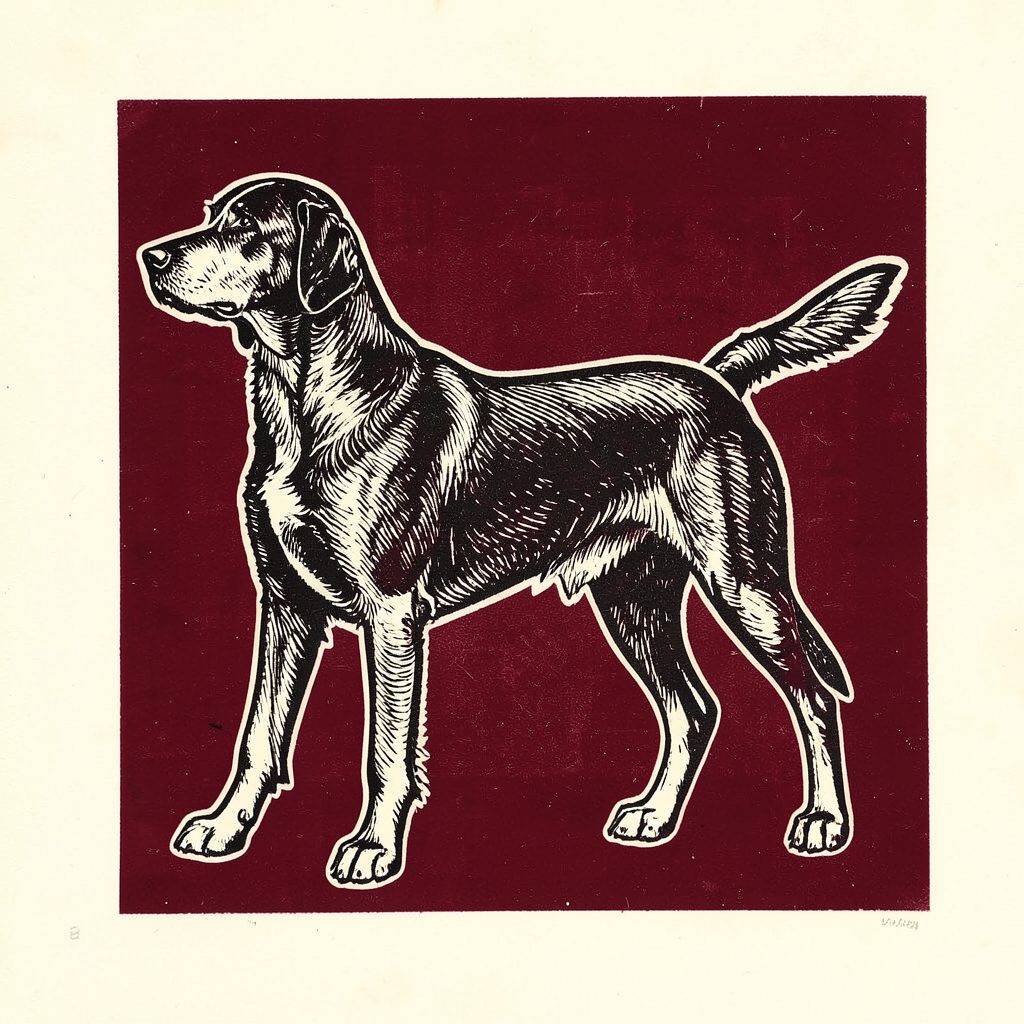
How Dogs Are Selected for the Prison Pups Program
The Prison Pups N Pals program connects dogs, trainers, and community volunteers through structured learning and responsible ownership. At its heart is a careful matching process: the right dog must be healthy enough for training, emotionally prepared for a new environment, and capable of benefiting from consistent human guidance.
Selection is more involved than choosing the friendliest dog in a shelter kennel. Staff and experienced handlers look at temperament, behavior, medical history, age, energy level, and the type of work the dog may be expected to complete. A successful placement should support the animal’s welfare while giving participants a realistic opportunity to develop patience, communication, and practical dog-handling skills.
For an AKC-affiliated organization such as West Volusia Kennel Club, the program also reflects broader goals: encouraging humane care, building dependable companion dogs, and showing how training can strengthen the relationship between people and animals.
The first screening focuses on health and welfare
A dog generally needs a veterinary assessment before entering a structured prison dog training program. This may include vaccinations, parasite prevention, a physical examination, and a review of any chronic conditions. Medical needs do not automatically disqualify a dog, but the program must be able to provide suitable care and avoid placing the animal under unnecessary stress.
Age is another consideration. Young adult dogs are often attractive candidates because they can learn new routines while still having time to develop mature behavior. Older dogs may also succeed when they are healthy, motivated, and comfortable with handling. Puppies are less predictable and require intensive developmental support, so they may be considered only when the program has the resources to meet those needs.
Shelter history is reviewed with care rather than used as a simple label. A dog that has experienced neglect, inconsistent care, or several changes in ownership may still become an excellent companion, but evaluators need to understand the animal’s triggers and coping skills before approving placement.
Temperament matters more than appearance
A prison pups candidate should usually show an ability to recover from ordinary distractions. Evaluators may observe how the dog responds to unfamiliar people, gentle handling, leashes, doors, sounds, crates, and changes in surroundings. The goal is not to find a perfectly calm dog. It is to identify an animal that can remain engaged or regain composure with patient guidance.
Basic sociability is useful, but excessive excitement can make training difficult. A dog that jumps constantly, guards food, panics when separated, or reacts intensely to other animals may need a different form of rehabilitation before joining a group program. These behaviors are assessed individually, since context, stress, and previous experience can influence a dog’s response.
Trainability is often visible in small moments. Does the dog notice a handler? Will it accept a treat? Can it follow a simple cue after a few repetitions? Does it seek help when uncertain? These observations can reveal willingness to cooperate, which is more important than having an impressive breed background or polished appearance.
Matching the dog to the training environment
Selection does not end when a dog passes a behavior screening. The animal must also be matched with the program’s daily structure and the participant’s skill level. A high-energy dog may need more exercise and enrichment, while a sensitive dog may progress better with quieter handling and fewer competing distractions.
The training plan may include leash manners, name recognition, sit, down, stay, recall, polite greetings, crate comfort, and safe interaction with people. Some dogs will advance toward therapy-dog preparation or more formal obedience goals, while others may be best suited to becoming stable family pets. Success is measured by practical improvement, not by forcing every dog into the same outcome.
Handlers also need clear information about the dog’s limits. A transparent intake record can identify food sensitivities, handling concerns, fears, medical instructions, and known reactions to other animals. Honest communication protects everyone and gives the dog a better chance of completing the program.
| Selection factor | What evaluators look for | Why it matters |
|---|---|---|
| Physical health | Veterinary clearance and manageable care needs | Supports safe participation |
| Social response | Appropriate reactions to people and handling | Helps create reliable human-dog interactions |
| Recovery from stress | Ability to settle after a distraction | Indicates potential for structured learning |
| Motivation | Interest in food, toys, praise, or attention | Gives handlers useful training tools |
| Energy level | Activity needs that fit the daily routine | Reduces frustration and unmet needs |
| Behavior history | Known triggers, habits, and previous training | Allows safer, more individual planning |
Training readiness is tested gradually
A dog may spend time in a foster setting, shelter evaluation area, or introductory training session before the final decision is made. Gradual exposure gives handlers a clearer picture than a single meeting. It also helps distinguish temporary nervousness from persistent behavior that could make the placement unsuitable.
Early exercises are intentionally simple. A dog might be asked to walk through a doorway, accept a collar adjustment, focus on a person, or settle on a mat. Trainers watch for patterns: whether the dog can learn from repetition, whether corrections increase anxiety, and whether praise or rewards encourage better choices.
The human side of the match is evaluated too. Participants need patience, consistency, and the ability to follow safety procedures. They learn to read canine body language, avoid overwhelming the dog, and reinforce desired behavior at the right moment. The program works best when training is treated as a partnership rather than a test of control.
Daily care supports long-term progress
A dog’s appearance and comfort can influence confidence, handling, and adoptability. Regular brushing, nail care, ear checks, dental attention, and bathing should be introduced as calm routines rather than rushed chores. Florida’s heat and humidity make coat management especially important, and these grooming tips for show dogs also offer useful ideas for keeping many companion dogs comfortable.
Exercise and enrichment are equally important. Short walks, scent games, food puzzles, quiet rest, and brief obedience sessions can help prevent boredom without pushing a dog beyond its physical or emotional limits. A predictable schedule gives the animal a sense of security and makes new skills easier to practice.
The program should also monitor progress after placement. A dog that seemed comfortable during an evaluation may reveal new needs once routines become more demanding. Adjusting the training plan, adding rest, or changing the pace is a sign of responsible care, not failure.
Community support completes the process
Prison Pups N Pals depends on more than a dog and a trainer. Shelter staff, correctional program coordinators, club members, veterinarians, foster homes, adopters, and local supporters each contribute to the outcome. Their shared responsibility helps ensure that dogs are placed thoughtfully and that participants receive guidance throughout the training period.
Public education is part of that work. Demonstrations, obedience activities, membership events, and adoption listings can show families what responsible dog ownership looks like in everyday life. Clear communication also matters when organizations share information online; readers should distinguish verified animal-care resources from unrelated promotional material, such as a casino comeback offer, before acting on any link or advertisement.
The final goal is a sustainable match. When a dog completes training, adopters should receive honest information about commands, routines, personality, and remaining challenges. The transition home may require continued practice, but the foundation built through the program can make that next step more successful.
Practical ways to support a good match
- Share accurate information about a dog’s behavior, medical needs, and history during screening.
- Use reward-based training and consistent routines instead of intimidation or harsh corrections.
- Give dogs decompression time when they enter a new kennel, classroom, foster home, or family.
- Practice calm handling, leash skills, grooming, and basic cues in short sessions.
- Support adoption follow-up so trainers can address concerns before they become serious.
A carefully selected dog can gain confidence, useful manners, and a clearer path to a permanent home. A carefully prepared participant can gain skills that extend well beyond the training room. West Volusia Kennel Club members and local dog enthusiasts can help sustain that work by learning about Prison Pups N Pals, attending educational activities, supporting responsible adoption, and sharing reliable information with neighbors throughout DeLand and West Volusia County.