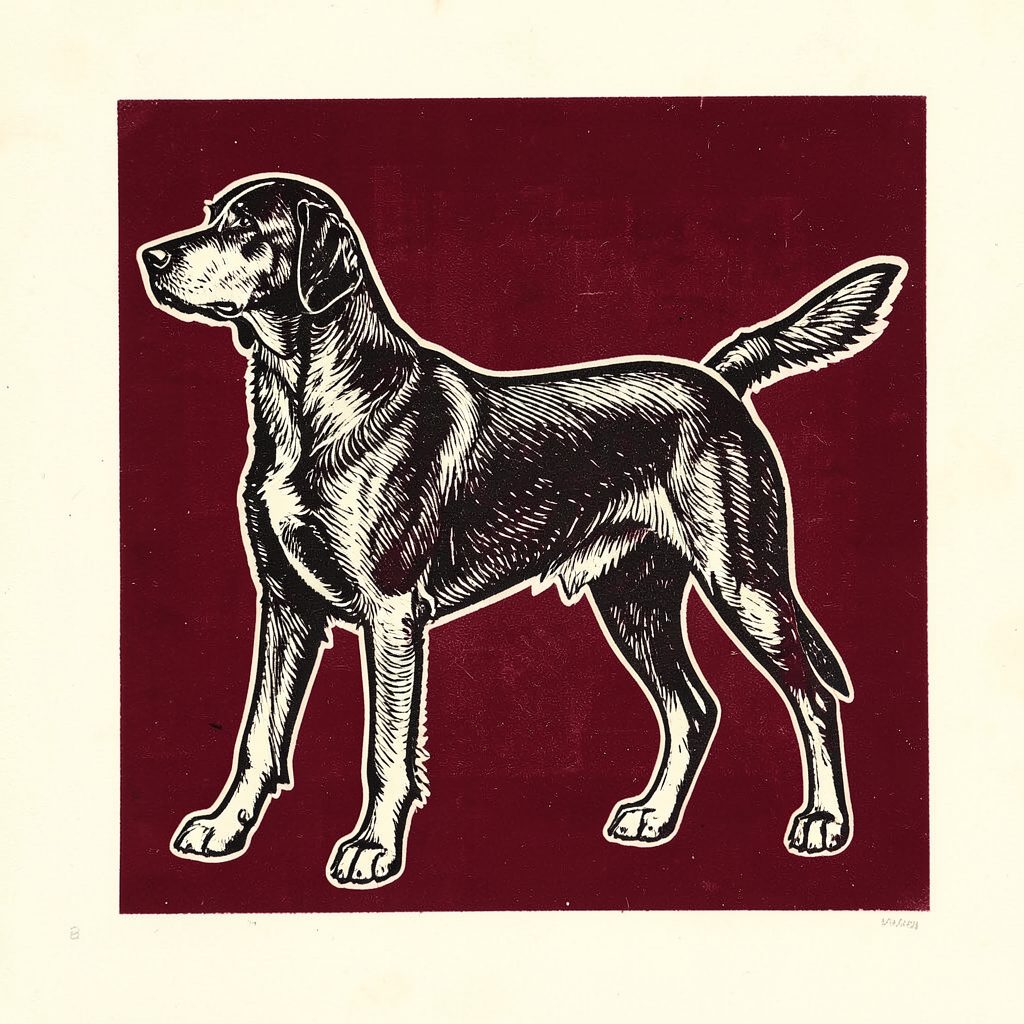
Genetics, temperament and the well-raised dog
Every dog brings a biological history to every home. A puppy’s thresholds for fear, activity, sociability and response to training are partly inherited, while handling, social contact and household routines shape how those tendencies appear in daily life.
Understanding the role of genetics in dog temperament and behavior therefore matters without turning inheritance into a forecast. It helps breeders, rescue workers, trainers and owners separate likely predispositions from outcomes that can still be changed through thoughtful care.
What inheritance can predict
Many personality traits show measurable heritability, including activity, trainability, boldness and certain forms of fear. However, heritability describes how much variation within a population is associated with genetic differences; it does not predict one dog’s future. Canine behaviour is polygenic, with many genes and environmental factors interacting.
Genes can influence resource guarding, herding drive, separation-related distress and sensitivity to unfamiliar situations. Yet these are tendencies rather than diagnoses. A dog predisposed to guard food or react to strangers may remain manageable with suitable experiences and training, or become dangerous under poor management. No dog should be excused from safe conduct, while sudden behavioural changes warrant veterinary assessment because pain or illness can affect behaviour.
Breed history is not a blueprint
A breed’s typical temperament reflects generations selected for particular work. Some dogs were developed for reliable companionship, others for hunting, herding or guarding. These histories can contribute to observable differences in arousal, boldness and social interest, but they do not create identical personalities. Temperament also varies between breeding lines and regions.
Within a litter, genetic differences set broad tendencies, while individual experience influences their expression. A cautious puppy may become confident after calm encounters with unfamiliar people, whereas harsh handling can reinforce withdrawal. Breed descriptions are therefore useful as background information, not as substitutes for observing the actual dog.
Genes meet everyday experience
Early socialisation matters because young dogs constantly learn from their mother, littermates, handlers and surroundings. Safe exposure to people, animals, sounds and surfaces can build resilience, while isolation or frightening experiences may intensify inherited sensitivity. The environment can also influence which traits become visible: an owner who avoids a fearful dog because of its reactions may unintentionally limit future learning.
The same principle is visible in human traditions: the Mojokerto rowing tradition demonstrates how repeated group practice can establish timing, trust and coordinated effort. Dog training works similarly. Consistent cues, predictable routines and rewarding calm behaviour interact with inherited tendencies instead of erasing them.
Reading behaviour beyond breed labels
A useful assessment identifies the trigger, the dog’s body language, the point at which it can still respond and how quickly it recovers. Fear-based avoidance, conflict-related aggression, pain and over-arousal may look similar from a distance but require different responses. Context and patterns matter more than a single dramatic incident.
Puppy temperament tests can screen for sensitivity and recovery, although they cannot certify an adult dog’s future behaviour. DNA tests may identify breed ancestry or certain physical-health variants, but most cannot reliably forecast aggression, anxiety or overall compatibility. Owners should combine test information with veterinary advice, behavioural history, observation and their own circumstances.
Breeding choices and responsible ownership
Responsible breeding considers more than appearance. Temperament, health, sound structure, genetic diversity and the quality of a puppy’s early care all affect lifelong welfare. Selecting solely for a prized working trait can preserve behaviours that are difficult to manage in ordinary homes. Limited gene pools also raise the risk of inherited disorders, so pedigrees and health testing deserve careful review.
The West Volusia Kennel Club in Florida combines breeder referrals, adoption listings, training, shows and community programmes such as Prison Pups N Pals. Owners seeking responsible-breeding guidance or involvement in local activities can find club contact details through its website.
Australian rules and real-life pressures
Australian pet law is not a single national checklist. State and territory laws provide the framework, while councils administer local details. The New South Wales Dog and Cat Management Act 1999 covers registration, identification and animal control, and Victoria, Queensland and other jurisdictions apply their own variations. Microchipping, desexing incentives, leash rules and limits on household numbers can differ between council areas.
For owners in Sydney, Melbourne, Brisbane and regional towns, the setting changes each dog’s behavioural demands. Apartment buildings and shared parks call for reliable recall and calm greetings, suburban backyards need secure gates, and hot summers, bushfire smoke, wildlife and long commutes can add stress. Australia’s active market of rescue organisations, breeders, boarding providers, insurers and veterinary clinics also makes transparent advice and realistic placement important.
Turning insight into confident care
Training should respond to temperament without treating inherited tendencies as fixed limitations. A sensitive dog needs calm, gradual exposure; a highly driven dog needs safe outlets and consistent rules; a dog that learns quickly still requires repetition and reinforcement. Punishment may suppress warning signals without teaching safer behaviour, whereas reward-based methods build a reliable alternative.
| Measure | What genetics may contribute | What experience can change | Responsible response |
|---|---|---|---|
| Fear and avoidance | Inherited sensitivity often contributes | Positive exposure and safe practice can reduce fear | Work below the threshold and reward recovery |
| Trainability | A substantial genetic component is common | Motivation, communication and repetition affect learning | Use brief, reward-based sessions |
| Resource guarding | A family tendency may be present | Prevention and training can alter the pattern | Manage access and seek qualified help |
| Aggression | Susceptibility can involve several factors | Triggers, learning, context and health affect expression | Prevent access, assess risk and obtain specialist support |
The practical takeaway is to treat temperament as a tendency rather than a verdict: favour stable, healthy breeding, provide young dogs with safe positive experiences, watch early warning signs and seek qualified assistance promptly. Inheritance can raise the odds, but humane handling, appropriate training and suitable placement determine whether those odds become serious problems.