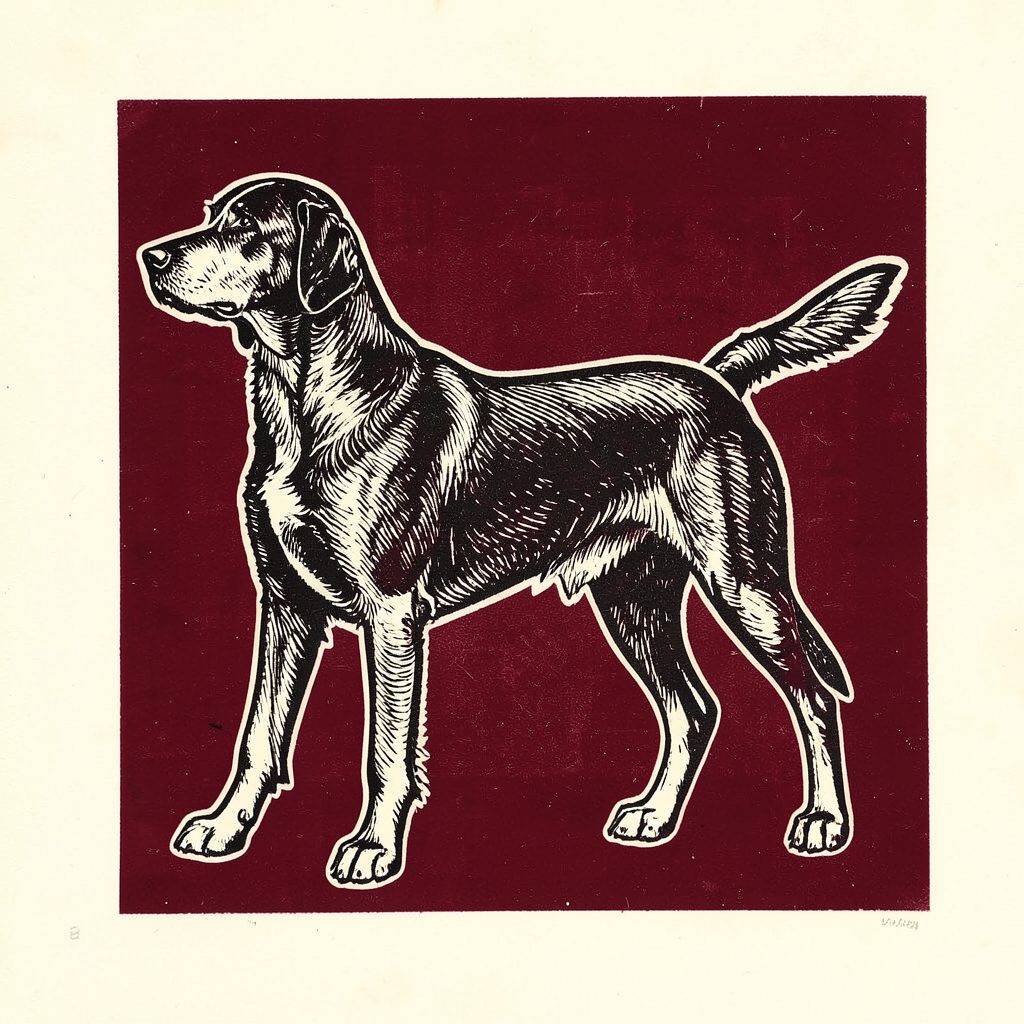
How the AKC Helps Preserve Dog Breeds
The American Kennel Club (AKC) has played a major role in documenting, defining and supporting purebred dogs for more than a century. Its work reaches beyond show rings: registration records, breed standards, health research, education and working-dog activities all help maintain the identity and purpose of established breeds.
For Australian dog owners, the AKC is best understood alongside Dogs Australia and state canine councils affiliated with the Australian National Kennel Council (ANKC). These organisations operate in different systems, yet they share a concern with sound breeding, responsible ownership and the protection of breed traits that can easily disappear when popularity becomes the main priority.
What Breed Preservation Means
Preserving a dog breed does not mean producing dogs that look identical at any cost. It means maintaining a recognisable combination of appearance, temperament, movement, instincts and working ability while protecting the animal’s long-term health. A Border Collie, for example, is valued for more than its coat and outline; its responsiveness, stamina and herding drive are part of its heritage.
The AKC supports this process by recognising breeds, maintaining registration records and publishing information about their accepted characteristics. Breed preservation also depends on knowledgeable owners, ethical breeders, judges, veterinarians and clubs that can distinguish genuine type from exaggerated features or fashionable trends.
A breed’s history may be tied to a particular job, region or community. Retrievers were developed to collect game, terriers to control vermin, and livestock guardians to protect animals. When breeding ignores those origins, a breed can gradually lose the qualities that made it useful and distinctive.
How Standards and Registries Work
Each AKC-recognised breed has a written standard describing ideal structure, proportion, coat, gait and temperament. The standard gives breeders and judges a shared reference point. It does not describe one perfect individual; it sets boundaries that help keep a breed consistent across generations.
The AKC’s stud books and registration systems provide a documented record of ancestry. Pedigrees can help breeders study family patterns, identify established lines and make informed mating decisions. Registration alone is not proof of excellent health or responsible breeding, but accurate records are an important foundation for preserving genetic history.
Breed clubs contribute specialist knowledge by maintaining standard revisions, educating judges and explaining the original function of their breed. In Australia, a similar role is often carried by national breed councils and state bodies connected with Dogs Australia, with local clubs supporting conformation shows, trials and public education.
The People Behind Each Breed
The AKC cannot preserve breeds by administration alone. Parent clubs and specialist associations are central because their members often know the breed’s working history, common health concerns and subtle temperament differences. They may recommend testing protocols, sponsor research and advise judges about traits that are easily misunderstood in the show ring.
Responsible breeders use pedigrees as one source of evidence rather than treating them as a guarantee. They consider hip and elbow results, eye examinations, cardiac checks, DNA tests, behaviour and the ability of relatives to live healthy, functional lives. A carefully planned outcross within accepted rules can sometimes be more valuable than repeatedly pairing close relatives for a particular look.
Buyers also influence the future of breeds. In Australia’s busy pet market, puppies advertised through social media can attract attention because of unusual colours, tiny size or exaggerated facial features. Choosing breeders who explain health results, rearing practices and lifelong support helps reward preservation based on welfare rather than novelty.
Health, Welfare, and Genetic Diversity
Modern preservation includes a stronger focus on genetic health than earlier generations could achieve. The AKC Canine Health Foundation, university researchers and breed organisations have supported studies into inherited diseases, screening methods and better breeding decisions. The Canine Health Information Center (CHIC) also helps owners find health testing information for participating breeds.
Health programmes work best when results are interpreted carefully. A clear test does not eliminate every possible problem, and a carrier status for a recessive condition does not automatically make a dog unsuitable for breeding. With accurate information, breeders can often avoid affected puppies while retaining valuable genetic diversity.
Welfare concerns are especially visible in breeds with very short muzzles, excessive skin folds or extreme body proportions. Australian veterinarians and animal welfare groups regularly discuss brachycephalic obstructive airway syndrome in breeds such as French Bulldogs, Pugs and Bulldogs. Preserving a breed’s identity must therefore include selecting for comfortable breathing, natural movement, sound structure and the ability to cope with Australia’s heat.
The AKC and Australian Dog Culture
The AKC and Australian canine organisations have similar preservation aims, but their registries, show systems and market conditions are not identical. The following comparison shows how the roles commonly align.
| Area | AKC in the United States | Australian context |
|---|---|---|
| Registry | Maintains records for AKC-recognised breeds | Dogs Australia and state bodies maintain ANKC-related records |
| Breed guidance | Parent clubs develop standards and educational resources | National breed councils and affiliated clubs provide comparable guidance |
| Events | Conformation, obedience, rally, agility and working activities | Shows and trials include conformation, obedience, agility, herding and other disciplines |
| Health work | Supports research and promotes breed-specific testing information | Australian breeders and veterinarians use local screening, research and welfare guidance |
| Public environment | Clubs often combine competition with community programmes | Owners must consider heat, urban density, rental rules and biosecurity requirements |
Local conditions shape how preservation is practised. A working breed kept near Brisbane may face intense humidity, while dogs in Melbourne contend with cooler winters and dense urban living. In Darwin, heat management is a daily welfare issue, and across Australia strict import rules help protect the country’s animal health status.
Australian events such as the Sydney Royal Easter Show and Melbourne Royal bring breeds before a broad public audience. These occasions can explain why working ability, stable temperament and sound structure matter, rather than presenting appearance as the entire purpose of a pedigree dog.
Training Keeps Breed Traits Useful
Preservation is stronger when dogs are assessed as companions and workers, not simply as entries in a conformation catalogue. Obedience, rally, agility, tracking, scent work and herding activities reveal trainability, resilience and communication between dog and handler. They also give owners practical ways to understand the instincts built into a breed.
A club environment can connect formal standards with everyday behaviour. Owners looking for structured obedience training options can learn how consistency, reward-based teaching and clear boundaries support a confident dog. Similar training clubs across Australia help people manage dogs in parks, homes, cafés and busy suburbs.
Training also protects dogs from being misunderstood. A terrier’s persistence, a retriever’s enthusiasm or a guardian breed’s caution may become difficult behaviour when its needs are ignored. When owners learn what those traits mean, they can provide suitable outlets instead of trying to remove the dog’s essential character.
Community Makes Preservation Last
Kennel clubs preserve knowledge by bringing people together across generations. Experienced breeders can explain pedigrees and whelping decisions, while newer owners contribute fresh attention to welfare, genetics and public expectations. Educational talks, junior handlers, open days and adoption networks make dog culture more accessible than a show result alone.
Community programmes can also demonstrate that pedigree interests and rescue work are not opposites. A club may promote careful breeding while helping rehome dogs, supporting responsible ownership and encouraging desexing where appropriate. Programmes such as Prison Pups N Pals show how structured human-dog relationships can build practical skills and empathy.
For Australian owners, local participation may mean joining a breed club in Perth, attending a Dogs Queensland event near Brisbane or volunteering at a council-supported dog activity in Adelaide. These connections help people make informed decisions about exercise, climate, housing and veterinary care rather than relying on online trends.
A Living Heritage Requires Balance
The AKC’s contribution is strongest when registration, standards, research, education and community work operate together. A pedigree preserves a record, but it does not preserve a breed by itself. That requires breeders who value health and temperament, judges who reward functional structure, owners who train and care responsibly, and organisations willing to update practices when evidence changes.
Australian dog lovers can draw useful lessons from the AKC while applying them through Dogs Australia, local clubs and veterinary advice suited to this country. Breed identity should remain recognisable, yet it must be compatible with comfortable breathing, safe movement, stable behaviour and a healthy life in modern homes.
The point to remember is simple: preserving a dog breed means protecting its history and purpose while improving the welfare of every generation. A successful registry records where dogs came from; responsible people decide whether that heritage remains healthy, capable and worth carrying forward.