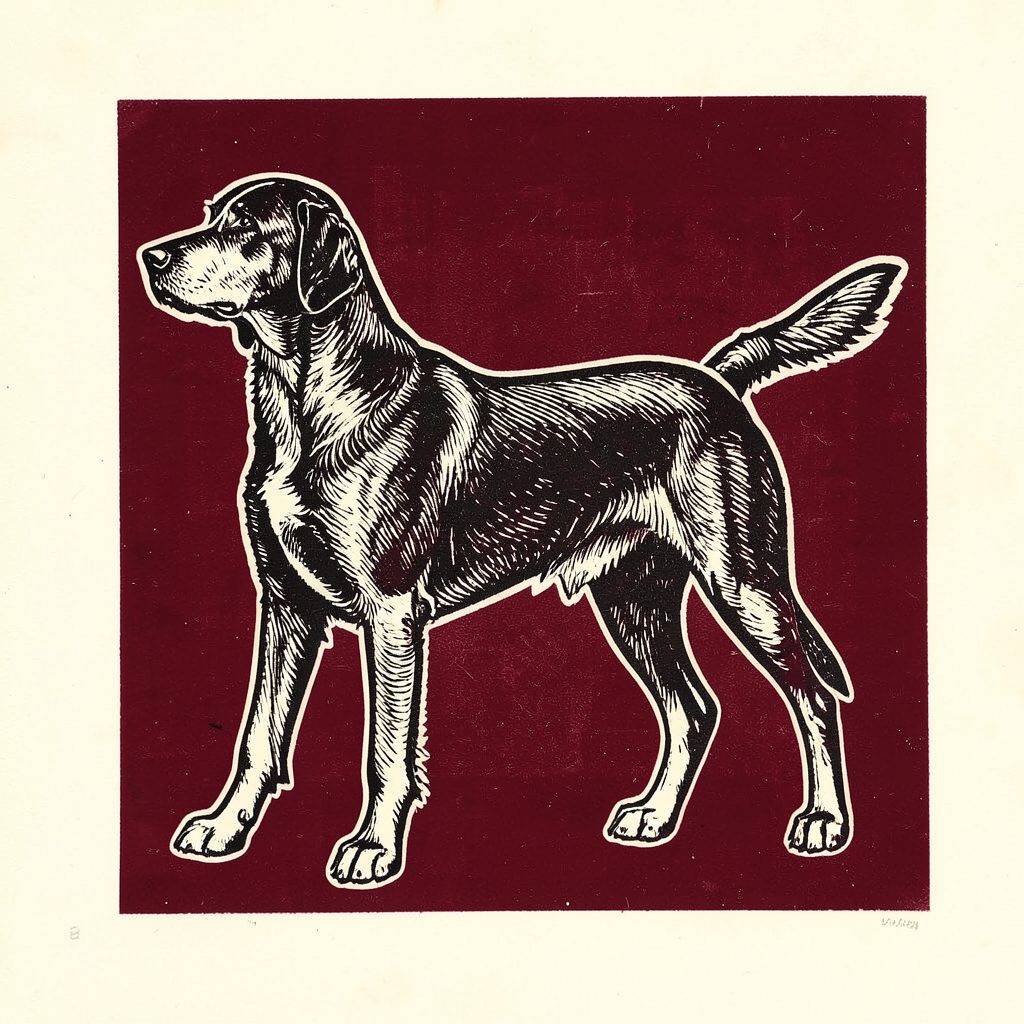
Clearer dog photos that help listings stand out
Good photos can make a major difference when you are creating a dog adoption listing, breeder referral, or owner profile. A sharp, well-lit image helps viewers notice a dog’s expression, body condition, coat, and personality before they read the full description.
The best Tips for Taking Clear Photos of Your Dog for Listings are simple: use natural light, choose an uncluttered setting, focus carefully, and give the dog time to relax. You do not need expensive equipment. A clean smartphone lens and a thoughtful approach can produce appealing, honest images.
Photographs should represent the dog accurately rather than create an unrealistic impression. Include both a friendly portrait and a few useful views that show the dog standing, moving, and interacting calmly with people.
Choose the right setting
Start with a quiet location where your dog feels comfortable. A fenced yard, shaded park area, or uncluttered room can work well. Avoid busy backgrounds, crowded dog parks, piles of toys, open trash cans, and anything else that distracts from the subject.
Neutral backgrounds are especially helpful for dogs with distinctive markings. A light-colored dog may stand out against a darker fence or leafy background, while a black or brown dog often photographs better against a lighter wall or open lawn. Keep the surroundings tidy, but do not stage the photo so heavily that it stops looking natural.
Check the area for safety before taking pictures. Keep your dog away from traffic, unfamiliar animals, toxic plants, and hot surfaces. If you are photographing an adoptable dog, ask a second adult to manage the leash or provide reassurance while you operate the camera.
Use light to reveal expression and detail
Soft daylight usually produces the most flattering results. Early morning or late afternoon light can add warmth without creating harsh shadows. On bright Florida days, photograph in open shade beneath a covered patio or tree, where the dog’s face remains evenly lit.
Avoid placing the dog with the sun directly behind them unless your phone handles backlighting well. That position can turn the face into a silhouette. Direct midday sunlight can also cause squinting, washed-out fur, and strong shadows across the eyes.
Your dog’s eyes should be easy to see in the main portrait. Position yourself near a window indoors or face the dog toward the brightest open area outdoors. A small sound, treat, or familiar toy held beside the camera can encourage the dog to look toward the lens without forcing an unnatural pose.
Prepare your dog and camera
Before the session, give your dog a brief walk or play period if that helps release excess energy. Brush the coat, wipe away eye discharge, and check that a collar sits comfortably. These small details improve the image while keeping the dog’s appearance truthful.
Clean the smartphone lens with a soft cloth. Tap the dog’s face on the screen to set focus, then hold the phone steady for a moment before taking the picture. Use burst mode for movement or take several images in quick succession; dogs blink, turn, and change expression quickly.
Avoid excessive filters and dramatic editing. Cropping, modest brightness adjustments, and slight color correction are usually enough. A listing photo should help someone recognize the dog in person, so avoid smoothing the coat, changing eye color, or hiding important physical features.
| Photo type | What it should show | Helpful approach |
|---|---|---|
| Head-and-shoulders portrait | Eyes, expression, markings, and muzzle | Photograph at eye level in soft light |
| Full-body standing view | Size, proportions, coat, and condition | Use a quiet background and a helper |
| Side profile | Silhouette, ears, tail, and body shape | Ask the dog to stand naturally |
| Action image | Gait, energy, or favorite activity | Use burst mode outdoors |
| Calm interaction photo | Temperament around people | Include a relaxed handler when appropriate |
Capture useful views for a listing
A single cute portrait may attract attention, but a set of complementary images gives viewers a more complete picture. Include a clear face photo, a full-body image, and a relaxed side view. If the dog has a special marking, unique coat pattern, or physical characteristic, photograph it clearly rather than relying on written description alone.
Take a few candid photos as well. A dog lying calmly beside a person, walking on a leash, or engaging with a favorite toy can communicate personality more effectively than a formal pose. For adoption listings, these everyday moments may help the right home understand the dog’s energy level and behavior.
For puppies or dogs being considered within a breeding program, accurate structure and movement images matter. The club’s conformation training guidance explains why careful observation and presentation can support responsible evaluation. Photography should show the dog honestly, never substitute for professional assessment.
Help your dog stay relaxed
Dogs often become distracted when a camera appears. Keep the session short and reward calm behavior with small treats, praise, or a favorite toy. Let the dog sniff the equipment, take breaks, and move around between attempts. Patience generally creates a more natural expression than repeated commands.
A helper can stand behind the photographer and attract the dog’s attention. For a standing pose, place the dog on a stable surface or safe ground and ask the helper to hold a treat near the lens. Never pull the leash tightly or position the dog in a way that causes discomfort simply to achieve a particular image.
Watch body language as you work. Lip licking, yawning, tucked posture, pinned ears, or constant turning away may indicate stress. Stop and reset if the dog seems overwhelmed. A relaxed, imperfect photograph is more useful than a technically sharp image that shows fear or tension.
Check the final images before posting
Review every image at full size before uploading it. Look for sharp eyes, a visible face, natural color, and a background that does not compete with the dog. Delete photos with closed eyes, motion blur, severe shadows, awkward cropping, or another animal partially blocking the subject.
Use descriptive file names when possible, such as “Milo-standing-profile.jpg,” rather than leaving generic camera labels. Keep the original, unedited versions in case a listing platform compresses the upload. Check the website’s image requirements and select the highest practical resolution.
- Choose one welcoming portrait as the primary image.
- Add a full-body view and at least one natural activity photo.
- Describe the setting, date, and circumstances honestly if they help viewers understand the image.
- Replace outdated photographs after major changes in age, coat, weight, or grooming.
- Ask a trusted person whether the images show the dog clearly and accurately.
Share a truthful picture of your dog
Strong listing photography combines clarity with context. Viewers should be able to see the dog’s face, physical features, and everyday personality without being misled by heavy editing or staged conditions. Honest images also save time by helping potential adopters, owners, and breeders decide whether a dog may be a suitable match.
The West Volusia Kennel Club supports responsible dog ownership through education, activities, referrals, and community programs in DeLand and across West Volusia County. When your photos are ready, pair them with accurate details about age, temperament, training, health information, and the type of home the dog needs.
Take a few minutes to create a calm, well-lit photo set, then share it through the appropriate listing or local dog community channel. A clear image may be the first step toward helping your dog connect with the right family.