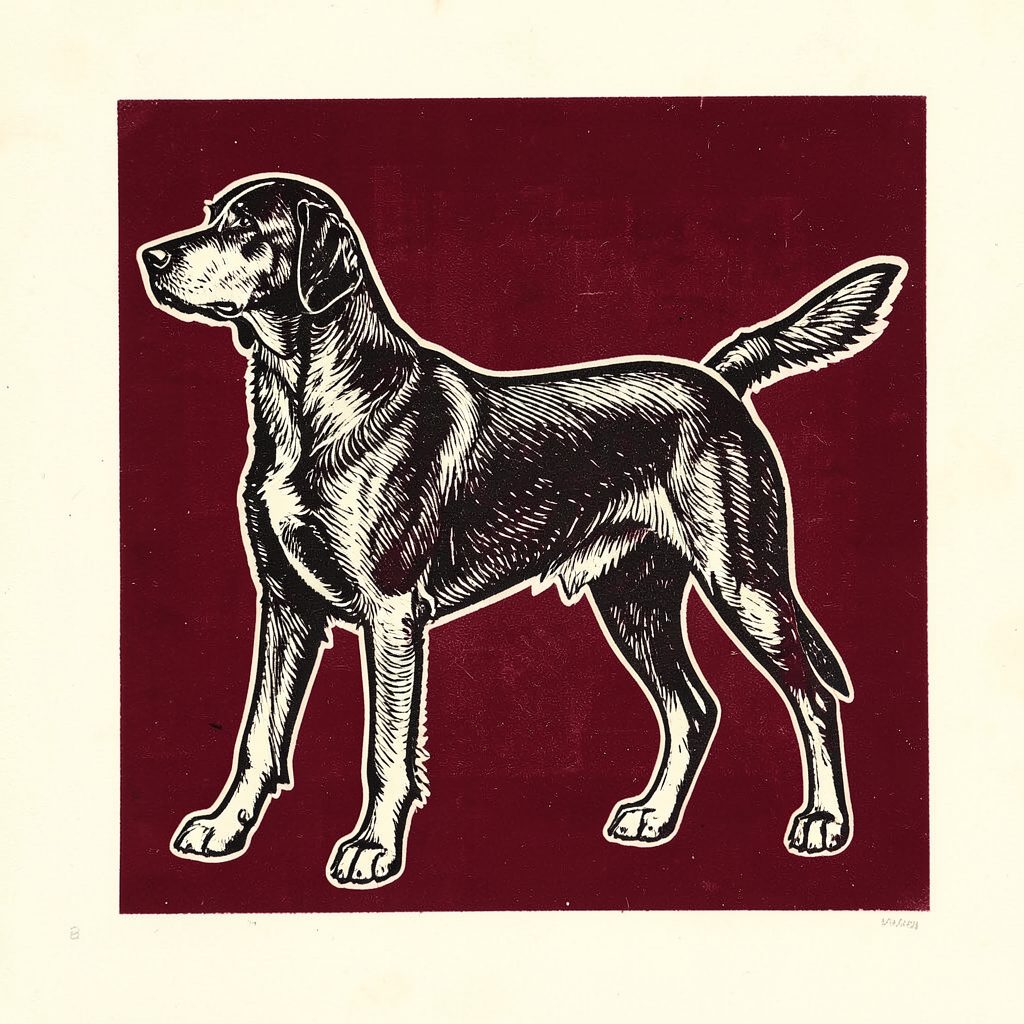
Teaching Your Dog To Fetch And Retrieve Properly
Fetch is often described as an instinctive game, yet many dogs need to learn each part of it. Chasing a ball is different from picking it up, carrying it back, releasing it and waiting for the next turn. A calm, structured approach makes the game enjoyable and easier to use as everyday training.
For Australian dog owners, fetch can be a useful outlet in a backyard, fenced oval or approved off-leash area. Local council rules vary, and many popular parks around Sydney, Melbourne, Brisbane and Perth require dogs to remain on lead outside designated zones. Check the signs before allowing a fast-moving game in a public space.
Choose equipment that suits the dog, the weather and the location. A soft retrieve toy may be kinder to a puppy’s teeth, while a durable rubber ball can cope with enthusiastic adult dogs. During hot Australian summers, exercise should happen early or late, with water and shade close by.
A well-taught retrieve supports focus, impulse control and cooperation. It can also strengthen the relationship between dog and handler without relying on force. The West Volusia Kennel Club’s community mission reflects the wider value of education, responsible ownership and positive engagement with dogs.
| Training stage | Main goal | Useful reward |
|---|---|---|
| Investigate the toy | Build interest without pressure | Praise or a small treat |
| Pick up | Encourage a gentle hold | Food, play or both |
| Return | Teach movement back to the handler | Reward near your body |
| Release | Create a reliable “drop” | Immediate second throw |
| Add distance | Generalise the behaviour | Variable rewards and praise |
Choose A Safe Starting Setup
Begin indoors or in a quiet, enclosed garden where distractions are limited. Use a toy that is easy to see and carry, such as a fleece tug, canvas dummy or appropriately sized rubber ball. Avoid objects small enough to swallow, sticks that can splinter, and heavily worn toys with loose pieces.
Keep the first sessions brief, perhaps two or three minutes, and stop while the dog is still interested. A puppy may need several short games spread through the day, while an adult dog may manage a slightly longer session. The aim is enthusiasm and clarity rather than exhaustion.
Make The Toy Worth Chasing
Move the toy gently along the ground, then pause to invite investigation. When the dog sniffs, touches or follows it, mark the behaviour with a cheerful word such as “yes” and offer a reward. Some dogs prefer a rolling toy, while others respond better to a soft tug or a toy that squeaks.
Avoid repeatedly waving the object in the dog’s face or throwing it far before the dog understands the game. If the dog grabs the toy and runs away, do not chase. Chasing can turn retrieval into keep-away, especially with confident terriers and young dogs.
Teach The Hold And Return
Once the dog picks up the toy, take a few steps backwards and use an encouraging voice. Many dogs naturally follow movement, so retreating can guide them towards you. Reward when the dog comes close, even if the first return is incomplete. Gradually make the desired return more precise.
For dogs that drop the toy halfway, reduce the distance and reward each improvement. Stand beside a wall, hallway or fence line to limit escape routes without cornering the dog. A second identical toy can help: show it only after the first toy is brought near, then exchange calmly.
Add A Clear Release Cue
A reliable release makes fetch safer and prevents hand-nipping. Hold a treat near the dog’s nose or present a second toy, then say “drop” once the mouth opens. Reward immediately and return the toy or begin another throw. The dog learns that releasing does not end the fun.
Do not pull hard against the dog’s mouth or snatch the toy away. That can create resistance and encourage possessive behaviour. If the dog stiffens, growls or guards the object, stop the game and seek advice from a qualified reward-based trainer rather than testing the dog further.
Practise In Manageable Stages
Vary the game slowly so the dog learns to retrieve in different situations. Move from a quiet room to the backyard, then to a secure area with mild distractions. A dog that retrieves perfectly at home may need extra practice around birds, cyclists, children, other dogs or the smells of a busy Australian park.
Useful training equipment
- Two matching toys for smooth exchanges
- Small, soft treats that suit the dog’s diet
- A long line for safe practice in open spaces
- Fresh water and a collapsible bowl
Signs the session should pause
- Panting heavily or struggling in the heat
- Dropping the toy repeatedly from fatigue
- Grabbing hands or becoming frantic
- Ignoring the handler and scanning for distractions
Solve Common Fetch Problems
Some dogs chase the toy but stop before returning. Make the throw shorter, run backwards and reward the instant the dog turns towards you. Others pick up the toy and chew it. In that case, use a toy designed for carrying, reward a brief hold and exchange before chewing becomes established.
If the dog refuses to release, avoid turning the toy into a tug-of-war unless tugging is part of a controlled game. Use a food trade or a second toy, then practise the release cue when the dog is relaxed. A professional obedience class can help identify whether the issue involves excitement, confusion, guarding or an unsuitable reward.
Training should remain reward-based and predictable. Guidance on humane dog handling explains why punishment-based methods can damage trust and increase stress, particularly in stimulating group environments.
Keep Fetch Safe And Social
Fetch is physically demanding because it includes sprinting, sudden stops and sharp turns. Warm up with a short walk, avoid slippery surfaces and do not throw repeatedly straight upwards, which can encourage awkward landings. Older dogs, brachycephalic breeds and dogs with joint concerns may need slower rolling games and veterinary guidance.
In hot regions such as Queensland, Western Australia and inland New South Wales, grass and pavement can become dangerously warm. Test the surface with the back of your hand, choose cooler times and monitor breathing. At an off-leash reserve, keep the toy game away from dogs that are resting or do not want to participate, and follow council requirements for supervision.
A good retrieve ends with the dog calm, comfortable and willing to engage again later. Use a consistent cue, reward the return, exchange the toy gently and finish before excitement becomes frantic. Practise for a few minutes at a time, increasing distance only when the dog can reliably pick up, return and release the toy.