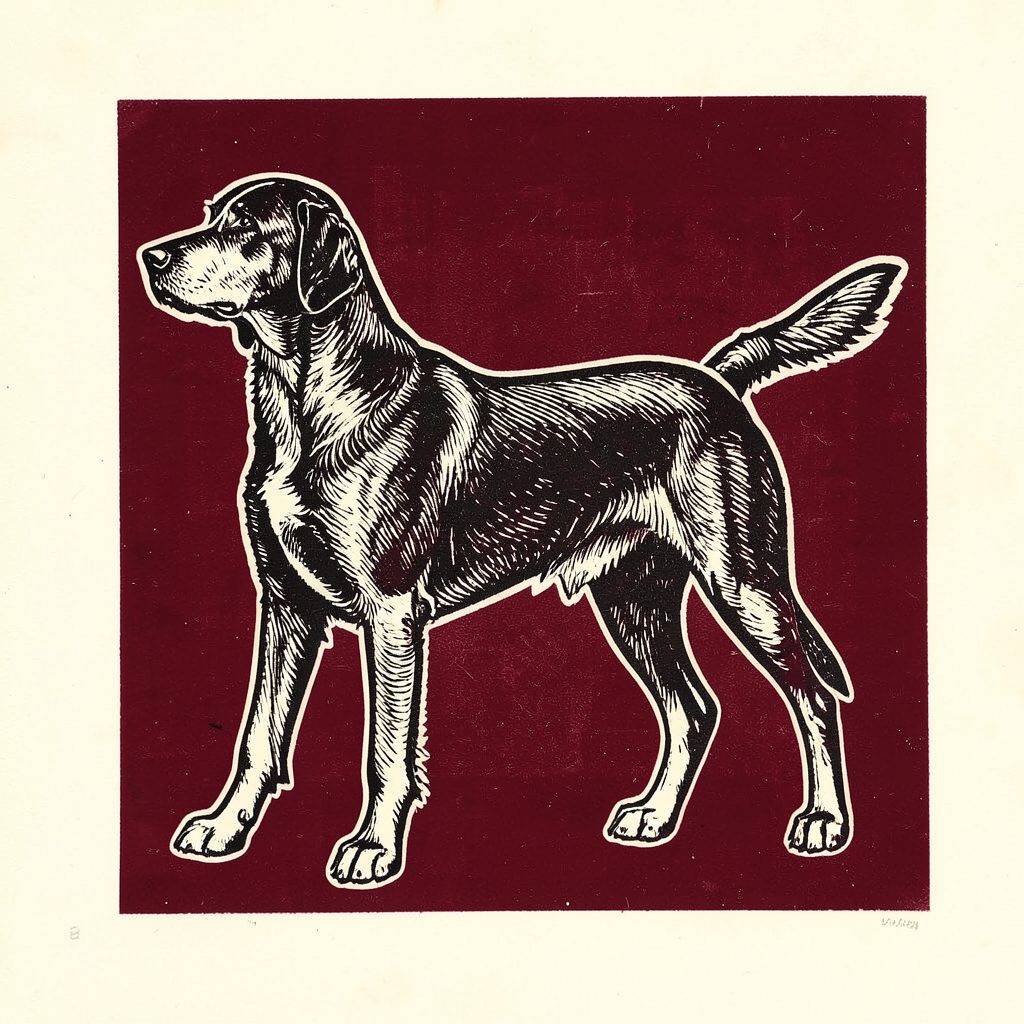
How judges read movement in the conformation ring
Few moments in a conformation class feel as electric as the moment a judge steps back, asks for a trot, and watches the dog move. The up-and-back pattern, combined with the longer side gait, tells the judge more about soundness, structure and breeding than almost any other part of the assessment. Movement is the living expression of a breed standard, the proof that the club's blueprint holds together when the dog puts one paw in front of the other.
For newcomers, the vocabulary around ring movement can feel like a closed language. Terms such as "reach", "drive" and "clean coming and going" float across the commentary like weather reports. Underneath sits a practical, repeatable set of observations any careful observer can learn with patience and a few ringside notebooks.
In Australia, the sport is administered by the Australian National Kennel Council, the local counterpart to the AKC in the United States, with flagship shows including the Royal Melbourne Show and the Brisbane Ekka. Whether the venue is a city arena or a country showground, the way movement is judged follows the same anatomy-based logic. Understanding that logic helps exhibitors, breeders and spectators appreciate why one dog is rewarded over another when type looks similar.
This guide unpacks the main criteria judges use to evaluate movement, the patterns they ask handlers to perform, and the habits that help a dog show its best gait on the day. The focus sits on the working trot and the structural details that either support or undermine it.
Reach, drive and the working trot
The working trot is the gait judges rely on most heavily because it shows a dog's natural balance under sustained effort. At a moderate, ground-covering speed, an athlete's trot should look effortless: front legs reaching well forward without lifting high, rear legs driving back with equal power, and the topline holding steady. A judge standing in the centre of the ring is asking the dog to prove that its front and rear assemblies were built by the same blueprint.
Reach refers to the length of the forward stride. A long, low arc suggests well-laid shoulders and a correctly angled forelimb. Drive refers to the rear push that propels the body forward. Strong drive indicates well-bent stifles, strong thighs and hocks that flex and extend fully. When reach and drive are matched, the dog appears to float.
Breed purpose shapes expectations. A Kelpie or Australian Cattle Dog judged under the herding group should look tireless and efficient, built for long days mustering stock. A working dog on a loose lead looks very different from a toy breed, where the standard calls for a shorter, more animated stride.
Reading the side gait
Side gait, the diagonal or triangular pattern most judges use, lets them see the dog in profile. This view reveals whether front and rear angulation match, whether the topline remains level under motion, and whether the head and neck are carried with confidence. The dog should travel with its head roughly level with the back or slightly above.
A common fault visible from the side is "crabbing", where the dog's body angles off the line of travel so the rear legs track beside rather than behind the front legs. Many Australian exhibitors prepare their dogs on long lines in spaces such as Sydney Park or Melbourne's Albert Park Lake, where the dog can be enticed into a clean stride.
Tail carriage is another tell. A correctly carried tail follows the breed standard; a tail clamped low signals temperament concerns or physical discomfort, while a tail held like a flag above the back can indicate correct breed type for some breeds.
The coming and going pattern
The "up and back" pattern is the second pillar of movement judging. After the side gait, judges ask handlers to walk their dogs straight down the ring and back, revealing how the legs align when bearing weight. From the front, the legs should track toward a single line, with no paddling or weaving. From the rear, the hocks should move in parallel planes, with no inward turning or outward flicking.
A dog that "winds" with the front legs usually has a loose or narrow chest, often combined with shoulders set too far forward. A dog whose hocks turn inward, sometimes called "cow hocks", often has a poorly developed second thigh or a narrow pelvis. These observations speak directly to soundness, the capacity to work and live without strain on joints. For a pet owner interested in improving everyday movement on suburban streets, tips for teaching your dog loose leash walking can make a real difference. A dog that pulls against a collar cannot display true gait.
Structure behind the movement
Every movement observation a judge makes is a reflection of anatomy. The shoulder blade and upper arm set the reach. The pelvis and femur set the drive. The pasterns absorb shock. The topline, running from the withers to the croup, should remain stable as the body passes over the legs. When a topline bounces or sways, it usually means the dog lacks a firm loin or has a soft back.
Australian judges are attentive to climate and lifestyle. A dog judged in the heat of an Adelaide January ring or a Brisbane summer is expected to move with the same soundness as one shown in cooler months. Many exhibitors work with their dogs on early morning beach sessions at Bondi or Glenelg, where soft sand builds rear strength and cool air keeps the dog willing.
Legislation in several states shapes how dogs are conditioned in public. In Victoria, the Domestic Animals Act 1994 requires dogs to be under effective control, which is why off-leash conditioning in shared parks relies on long lines and reliable voice control. In NSW, the Companion Animals Act 1998 holds owners responsible for their dogs in public, with on-leash rules applying in most council areas.
Handler influence and presentation
Even a beautifully built dog can be undermined by a handler who moves too fast, holds the lead too tightly, or fights the dog on the down-and-back. Handlers often bait their dogs with a small treat held at the chest to keep the head up and the expression alert, and they practise the triangle at home to time their turns. Short, even handler steps keep the dog's pace steady, while rushed or shuffling steps force the dog to break gait.
If something does not feel right on the day, exhibitors are encouraged to seek a second opinion from a mentor. The club's contact page is a useful starting point for those considering study visits, mentorship exchanges or international judges' seminars, since the West Volusia Kennel Club welcomes enquiries from handlers worldwide.
Movement across groups at a glance
Different breed groups place different emphases on the qualities of movement, and a glance at how groups are typically evaluated helps clarify what a judge is looking for.
| Group | Typical movement priority | What judges notice |
|---|---|---|
| Herding | Endurance, efficiency, ground-covering trot | Smooth reach and drive, level topline over distance |
| Sporting | Powerful, balanced gait suited to a day in the field | Long stride, strong drive, clean coming and going |
| Working | Strength and soundness for sustained effort | Powerful rear, no rolling, firm topline under load |
| Toy | Light, animated movement with breed-specific carriage | High head, short reach, correct tail set |
| Hound | Purpose-built gait, whether trot or extended trot | Smooth, efficient travel matched to breed function |
Signs a dog is moving correctly
- The topline remains level from withers to croup while trotting.
- Front and rear legs track in parallel planes on the up-and-back.
- Reach and drive appear equal, giving the dog a floating rhythm.
- The head and tail are carried according to the breed standard.
Faults that catch a judge's eye
- Crabbing or swinging the rear to one side during the side gait.
- Pacing, where the legs on the same side move together, instead of trotting.
- Short, choppy stride with little rear engagement.
- Loose elbows that wing out or paddling front action.
The honest truth is that movement cannot be faked. A structurally sound dog raised on appropriate exercise, conditioned with patience, and handled quietly on the day will satisfy the breed standard almost on its own. The judge's task is to confirm what the body has been quietly saying all along.