Understanding Dog Show Terminology: Stack, Gait, And Bite
A dog show can seem full of specialized language, especially when handlers, judges, breeders, and spectators discuss presentation in the ring. Terms such as stack, gait, and bite describe specific parts of a dog’s structure, movement, and overall breed evaluation.
Learning this vocabulary makes it easier to follow what happens during conformation judging. It also helps owners understand why training, conditioning, grooming, and careful handling matter when a dog is being assessed against its breed standard.
At an AKC-affiliated club serving DeLand and West Volusia County, owners can explore conformation training alongside obedience work and other responsible-dog-ownership activities. The goal is not simply to make a dog look polished for a few minutes, but to build communication and confidence that can benefit the dog in many settings.
What “stack” means in the show ring
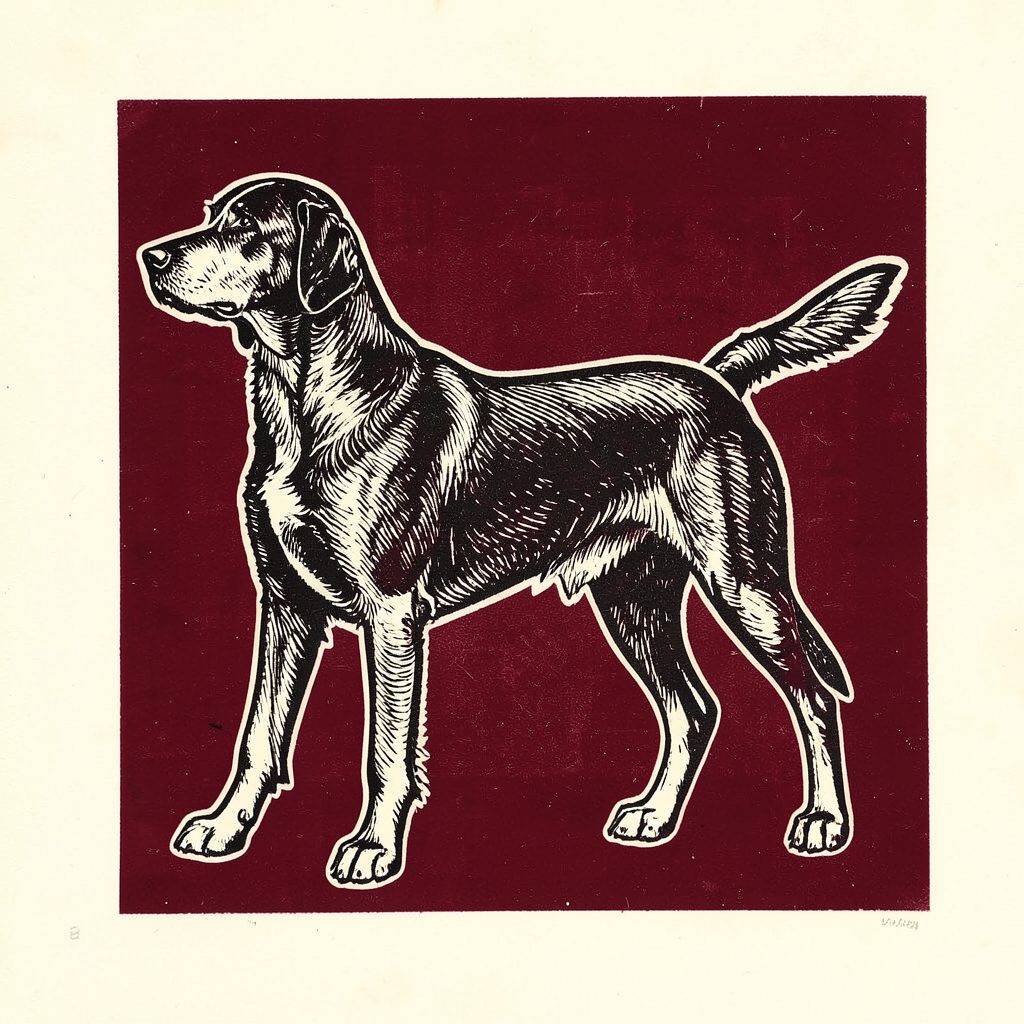
A stack is the way a dog stands while the judge examines its body. The handler positions the feet so the dog’s outline, balance, topline, shoulder placement, rear angulation, and proportions can be seen clearly. Each breed has a characteristic stance, so the ideal stack varies from a German Shepherd Dog to a Beagle, Poodle, or Bulldog.
Some dogs are trained to free-stack, meaning they stand in position without the handler physically placing every foot. Others are hand-stacked, with the handler adjusting the legs and body carefully. The preferred approach depends on the breed, the individual dog, and the moment in the examination.
A correct stack does not mean forcing a dog into an uncomfortable pose. The dog should remain calm, steady, and able to support itself naturally. Good handlers practice small adjustments at home, rewarding stillness so the ring experience feels familiar rather than stressful.
Reading a dog’s gait
Gait refers to the way a dog moves. In conformation, the judge commonly watches the dog walk or trot away and back, then move around the ring. Movement can reveal structural qualities that are difficult to evaluate when the dog is standing still, including coordination, balance, reach, drive, and the ability to maintain a level topline.
The trot is often especially useful because it places the legs into a rhythm that allows the judge to assess efficiency. Ideally, the dog moves with purpose and adequate ground coverage while remaining coordinated. The front legs should reach appropriately, the rear legs should provide propulsion, and the feet should track in a manner consistent with the breed.
Handlers usually guide the dog at a pace that allows its natural movement to show. Running too quickly can disguise weaknesses or cause a dog to break into a gallop, while moving too slowly may restrict its stride. Ring training helps the handler find the speed at which the dog is balanced, confident, and attentive.
Understanding the bite examination
The bite describes how a dog’s upper and lower teeth meet when the mouth is closed. A judge may ask the handler to show the front teeth and, depending on the breed, the side teeth and molars. Common descriptions include scissors bite, level bite, undershot bite, and overshot bite.
In a scissors bite, the upper incisors fit closely over the lower incisors. A level bite occurs when the upper and lower incisors meet edge to edge. An undershot bite means the lower jaw extends beyond the upper jaw, while an overshot bite describes the reverse. Breed standards determine which bite is preferred or acceptable.
A bite examination should be taught gently and progressively. A dog can learn to tolerate a brief lift of the lips and a judge’s visual inspection without feeling threatened. Owners should never pry the mouth open or punish resistance. If there are concerns about tooth alignment, jaw development, retained teeth, or oral health, a veterinarian should provide the appropriate evaluation.
| Term | What the judge observes | How owners can prepare |
|---|---|---|
| Stack | Standing posture, balance, proportions, and outline | Practice brief stays and reward calm foot placement |
| Gait | Rhythm, coordination, reach, drive, and efficiency of movement | Condition the dog gradually and rehearse walking or trotting |
| Bite | Tooth alignment and jaw relationship | Teach gentle lip handling and arrange regular dental care |
| Presentation | Grooming, attentiveness, ring manners, and handler communication | Build focus, polish grooming routines, and use positive training |
How these details work together
Stack, gait, and bite are separate observations, yet they contribute to the judge’s overall impression of the dog. A balanced stance can make structure easier to see, while movement shows how that structure functions. The mouth examination provides information about dental alignment and whether the dog’s bite matches the expectations for its breed.
Conformation judging is not a simple beauty contest. Judges compare each entry with the written breed standard, considering features such as temperament, structure, condition, and movement. The dog that wins is generally the one the judge believes most closely represents the ideal for its breed on that day.
Breed standards also contain important differences. A breed designed for endurance may be expected to move efficiently over distance, while a breed developed for a different purpose may have another type of movement or body shape. Owners should study their own breed’s standard instead of applying a single visual formula to every dog.
Training for confident ring manners
A dog does not automatically understand how to stand still, trot on a loose lead, accept a stranger’s hands, or remain composed around other dogs. These skills develop through short, positive sessions. Begin in a quiet setting, then gradually add distractions such as unfamiliar people, new surfaces, and groups of dogs.
Practice can include stacking for a few seconds, walking in a straight line, moving in a circle, stopping smoothly, and allowing a trusted person to examine the dog. Reward the behavior you want, and end before the dog becomes tired or frustrated. Physical conditioning should also be age-appropriate and guided by sound veterinary advice.
Handlers benefit from instruction, too. Timing, lead handling, body position, and pace all influence how clearly a dog is presented. Local classes can provide useful feedback and a supportive setting for learning. For information about club activities, training opportunities, and community programs, owners can contact the club.
Preparing beyond the ring
A clean coat, trimmed nails, healthy weight, and good dental care support a dog’s presentation. Grooming requirements vary widely, so owners should learn the practical expectations for their breed well before entering a show. Conditioning should build strength and stamina without excessive impact or repetitive strain.
Good preparation also includes realistic expectations. Not every dog enjoys the show environment, and a conformation event may not be the right activity for every individual. A dog can still lead a rewarding life through obedience, canine sports, therapy work, adoption support, or simply being a well-trained family companion.
For owners beginning their show journey, these habits are especially helpful:
- Learn the current breed standard and observe experienced handlers.
- Practice stacking, gait patterns, and mouth handling in brief sessions.
- Use rewards and calm repetition instead of force.
- Keep veterinary, dental, grooming, and conditioning care up to date.
- Attend local training or club events to gain practical ring experience.
When owners understand the language of conformation, they can watch a class with a sharper eye and train with clearer goals. Stack shows how the dog stands, gait reveals how the dog moves, and bite describes how the teeth meet. Together, these terms provide a useful foundation for appreciating responsible breeding, thoughtful handling, and the athletic qualities that make each breed distinctive.
Explore West Volusia Kennel Club activities, connect with fellow dog owners, and take the next step toward confident training and responsible participation in the local canine community.