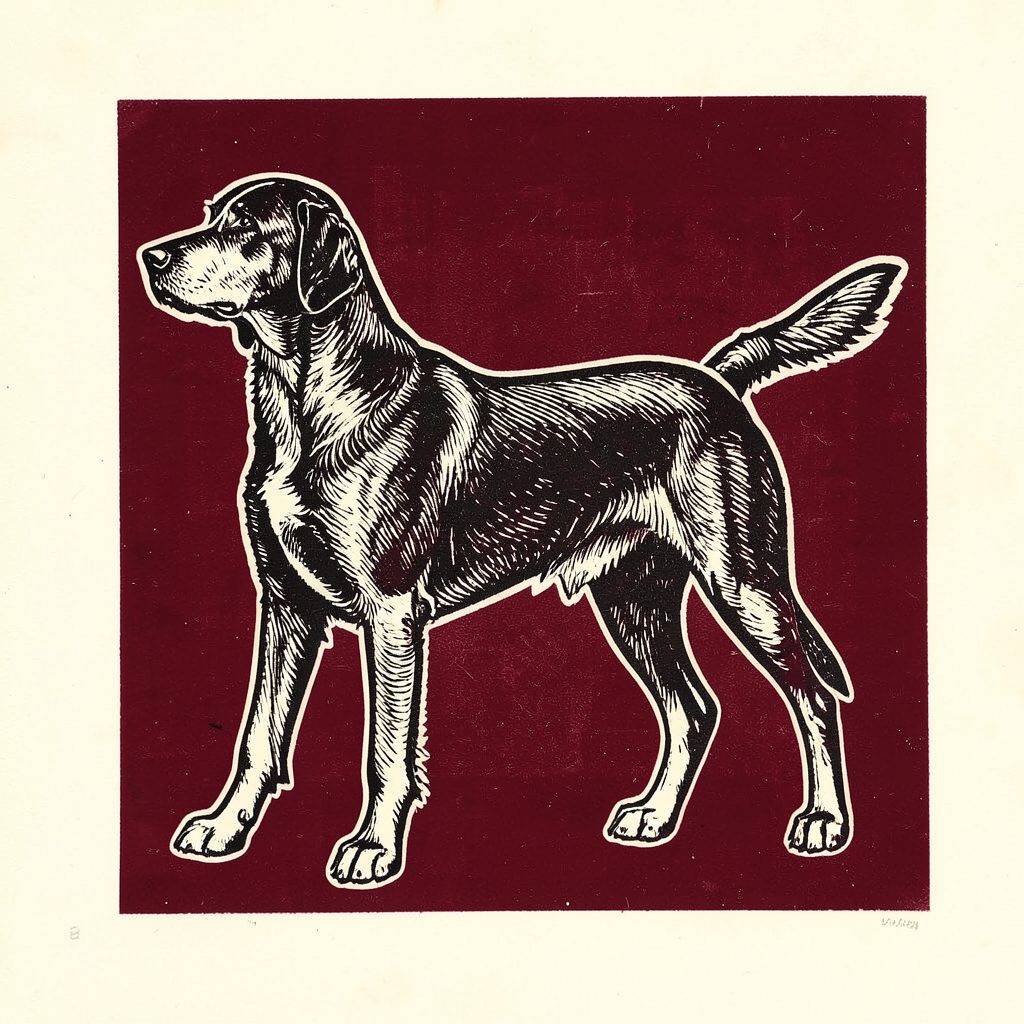
What to expect at your first AKC conformation show
Attending your first AKC conformation show can feel like stepping into a busy, highly organized world of breeds, grooming tables, show leads, judges, and enthusiastic handlers. The event is designed to evaluate how closely each dog conforms to its breed standard, while also offering owners a chance to learn, meet fellow dog lovers, and enjoy the sport.
For a first-time exhibitor, the day is easier when you know what will happen before arriving. Preparation covers much more than polishing your dog’s coat. You will need to understand the schedule, gather the right supplies, practice basic ring behavior, and remain flexible when times or ring assignments change.
West Volusia Kennel Club supports dog owners and enthusiasts throughout DeLand and West Volusia County. Through training, educational activities, shows, and community events, the club helps local families become more confident and responsible participants in the dog world.
Understanding the purpose of the show
An AKC conformation show evaluates a dog against the written standard for its breed. The judge considers structure, movement, proportions, temperament, coat, and overall presentation. The goal is not to determine which dog is the best pet or the most lovable companion. It is to identify the dog that most closely represents the ideal described by the breed standard.
Dogs usually compete first against others of the same breed and sex. Classes may be divided by age, experience, or status. Winners can earn points toward an AKC championship, while accomplished dogs may compete later in larger groups and specialty events.
Your dog does not need to perform elaborate obedience exercises in the conformation ring. However, the judge will expect the dog to stand appropriately, walk or trot on a lead, allow hands-on examination, and remain manageable around unfamiliar people and dogs.
What happens before you enter the ring
Before show day, check the premium list or official event information for the opening time, judging schedule, parking details, grooming rules, and entry requirements. Your individual breed ring may not begin until later in the morning, but arriving early gives you time to park, locate the ring, find a crate area, and help your dog settle.
Bring proof of entry and any required registration details, along with water, a bowl, waste bags, treats, a brush, a suitable lead, towels, and cleaning supplies. A crate or exercise pen can provide a secure resting space. Many handlers also carry a folding chair, shade cover, grooming arm, and portable fan, especially for warm Florida events.
Your dog should arrive clean, dry, rested, and comfortable. Avoid feeding a large meal immediately before the class. Allow time for a calm bathroom break, but do not let your dog wander through crowded areas without supervision. Good ring preparation begins with preventing stress and fatigue before judging starts.
Preparing your dog for show behavior
Practice the skills the judge will use in the ring: standing still, walking at a steady trot, changing direction, and allowing a stranger to examine the dog. Depending on the breed, the judge may look at the bite, ears, coat, paws, or testicles in a male dog. Short, positive sessions are more effective than exhausting drills.
Your dog should be comfortable wearing a thin show lead and walking close to your left side. Practice in different locations so the dog can focus around people, noise, and other animals. A training class can make a major difference, particularly if you are unsure how to stack your dog or move at the correct pace.
If your dog recently joined your household, give adjustment time priority. New surroundings, new routines, and unfamiliar handling can affect confidence, so these settling-in tips may help you establish a calmer foundation before entering a busy public event.
Navigating the showground
Showgrounds can be crowded and noisy, with announcements, barking, grooming dryers, vendors, and people moving quickly between rings. Keep your dog under control at all times and ask before allowing greetings. Some dogs enjoy social contact, while others need personal space to remain focused.
Find the ring steward or information area when you arrive. The steward can help you confirm the ring, class order, and approximate timing. Listen for announcements because judging can move faster or slower than expected. Keep your armband number accessible, and watch the ring so you are ready when your class is called.
The following overview shows how common parts of the day differ:
| Show activity | What you and your dog may do | What to remember |
|---|---|---|
| Check-in | Confirm entry details and receive an armband | Review the ring and class information |
| Breed class | Enter with dogs in the same breed category | Follow the steward’s instructions |
| Individual exam | Stand while the judge examines your dog | Keep the lead loose and stay composed |
| Gaiting | Move at a walk or trot around the ring | Match the pace that suits your dog |
| Placements | Line up for ribbons or awards | Remain attentive until dismissed |
| Group competition | Compete with winners from several breeds | Expect a larger, busier ring |
Inside the conformation ring
When your class is called, enter promptly and follow the steward’s directions. The judge may ask the group to move around the ring, go back and forth, or form a line. Watch the handler ahead of you and maintain enough distance to prevent your dog from crowding another entry.
During the individual examination, the judge may ask you to move your dog to a specific point and then return to the line. Keep your movements smooth and avoid excessive talking. The judge is assessing the dog, so your job is to present the dog clearly without distracting it.
If your dog becomes nervous, stands imperfectly, or loses focus, stay calm. A first show is a learning experience, and small mistakes are common. Never punish a dog in the ring. Quiet encouragement and practical preparation will help the dog build confidence for future events.
Etiquette that makes the day better
Good sportsmanship matters as much as presentation. Congratulate other exhibitors, respect grooming spaces, clean up immediately, and ask permission before touching another person’s dog. Keep children supervised and teach them not to approach crates or dogs wearing “do not pet” signals.
Dress neatly and comfortably, choosing clothing and shoes that allow easy movement. Avoid strong fragrances, dangling accessories, or anything that could distract a dog. Be especially careful in hot weather: provide shade, water, ventilation, and regular breaks, and never leave a dog unattended in a vehicle.
For owners who want stronger handling skills, obedience training classes can improve attention, leash manners, impulse control, and communication. These skills support conformation preparation even though the conformation ring uses a different style of presentation.
Practical steps for a confident first entry
A simple checklist can prevent many last-minute problems. Begin several weeks ahead rather than trying to teach ring behavior during the final days. Attend a local class or match if possible, since practice in a show-like environment helps both handler and dog understand the rhythm of competition.
Keep the first event focused on experience rather than ribbons. Your dog may need time to become comfortable with the venue, and you may learn that a different lead, grooming routine, or arrival time works better. Take notes after the show while the details are still fresh.
- Verify the entry information, ring number, and judging schedule before leaving home.
- Practice stacking, gaiting, examination, and calm waiting in short sessions.
- Pack water, treats, grooming supplies, waste bags, a crate, and weather protection.
- Arrive early enough for parking, setup, exercise, and a relaxed bathroom break.
- Watch experienced handlers and ask respectful, specific questions between classes.
A first AKC conformation show is an opportunity to understand your dog in a new setting and become part of a community that values sound structure, good temperament, training, and responsible ownership. West Volusia Kennel Club welcomes local owners who want to learn through events, classes, membership, and shared experience. Explore upcoming club activities and take your first step toward a rewarding show-day experience.