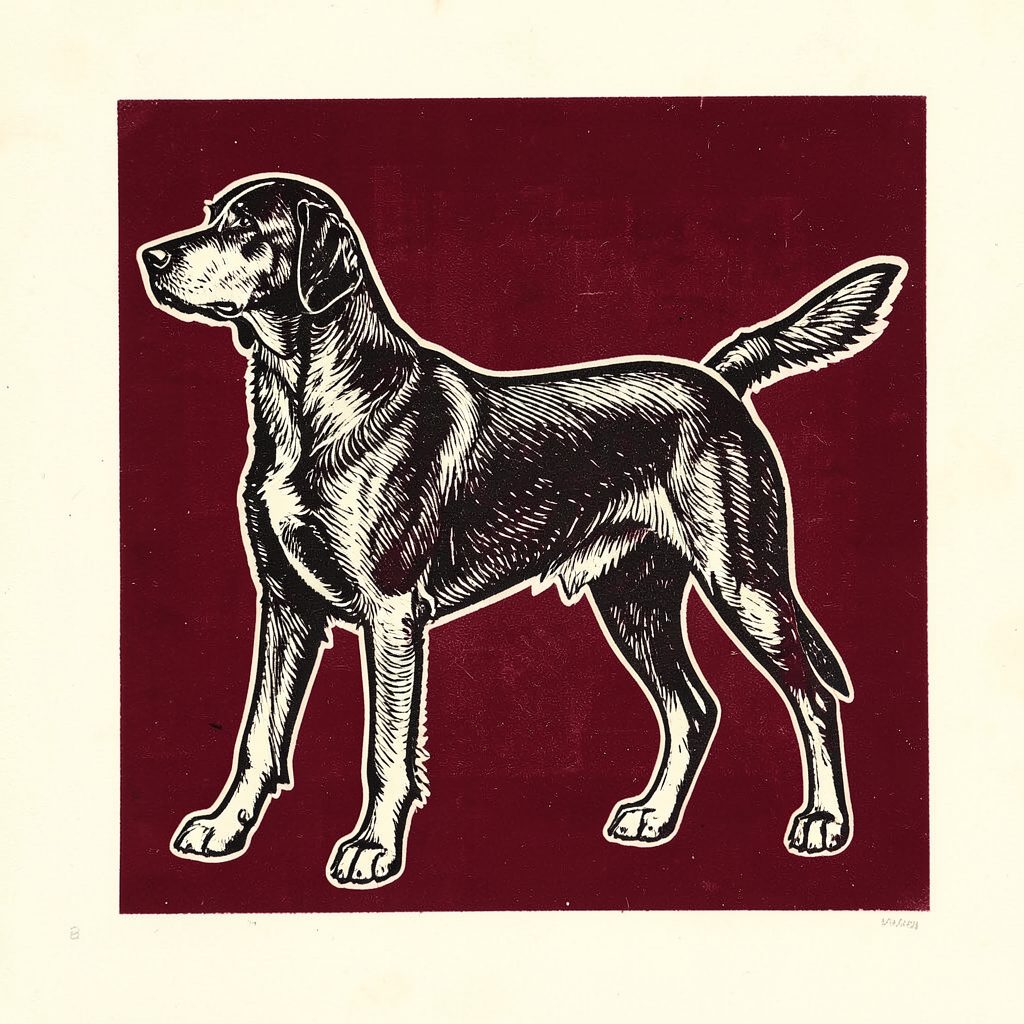
Why Early Socialisation Shapes A Confident, Capable Dog
A puppy’s earliest experiences help shape how it interprets people, animals, places, sounds and everyday handling. Gentle exposure during the first months can support emotional resilience, communication skills and better decision-making as the dog matures. Socialisation is not about making a puppy greet everyone; it is about teaching the puppy that unfamiliar situations can be safe and manageable.
For Australian families, this learning happens in ordinary settings: a suburban footpath in Brisbane, a busy café precinct in Melbourne, a lift in a Sydney apartment block or a visit to a regional showground. A thoughtful plan helps owners build positive habits while respecting vaccination advice, council rules, hot weather and the individual puppy’s confidence.
What Puppies Learn Through Early Experiences
Young dogs are constantly gathering information. They notice surfaces under their feet, the movement of prams and bicycles, the sound of rubbish trucks, the appearance of uniforms and the way strangers approach. When these experiences are introduced gradually and paired with food, play or calm praise, the puppy is more likely to form a positive association rather than react with fear.
The most valuable lessons include recovery after a surprise, polite interaction and attention to the handler. A puppy does not need to play with every dog it sees. Watching another dog from a comfortable distance, then turning back to its owner for a treat, is useful social learning. This builds impulse control and teaches the puppy that its person can provide guidance.
The sensitive developmental period is often discussed as the first few months of life, but social learning continues well beyond it. Experiences should remain age-appropriate and low-pressure. A puppy that is overwhelmed, restrained while strangers crowd around it or forced to approach a frightening object may remember the fear more strongly than the intended lesson.
Building Confidence Without Creating Pressure
A good exposure plan moves from easy to difficult. Begin at home with handling around the ears, paws, collar, tail and mouth. Reward stillness during a brief brush or gentle examination. Later, practise these skills in the garden, at a friend’s house and near a quiet veterinary clinic, always stopping before the puppy becomes distressed.
Sound exposure can be carefully managed with recordings played at low volume, followed by real-world practice. Introduce thunderstorms, traffic, construction noise and household appliances in small doses. Australian puppies may also need preparation for corrugated roofs during heavy rain, cockatoos calling overhead and the heat and glare of summer pavements. Never require a puppy to remain near a sound it is trying to escape.
Socialisation should include people of different ages, appearances and movement patterns, including someone using a walking frame or wearing a high-visibility vest. Ask visitors to ignore an uncertain puppy at first. Turning sideways, avoiding direct staring and allowing the dog to approach voluntarily can make an enormous difference.
Even experiences involving other pets can be paced thoughtfully. If a household cat is calm and secure, barriers and short supervised sessions are safer than immediate face-to-face contact. The principles of gradual equipment training apply across species; for example, owners can consider these leash-walking ideas when thinking about patient, reward-based introductions to unfamiliar gear.
Health, Safety And Australian Everyday Life
Puppies need protection from infectious disease, so owners should follow their veterinarian’s vaccination guidance before visiting dog parks, crowded pet events or heavily trafficked public areas. A puppy can still learn safely before full vaccination through car rides, visitors, clean private gardens, carrying excursions and carefully selected puppy classes. Veterinary advice should determine which environments are suitable.
Australia’s rules make responsible preparation especially important. Dogs generally need microchipping and council registration, while specific requirements vary between states, territories and local councils. Leash restrictions, restricted breeds, identification rules and off-leash areas also differ. Learning the regulations for a council area such as Gold Coast, Adelaide or Perth prevents a promising outing from becoming a stressful or unlawful one.
Heat deserves equal attention. A short walk at midday can be unsafe on hot asphalt, particularly for a young dog with limited stamina. Early morning outings, shaded paths and access to water are better choices during an Australian summer. Socialisation can happen indoors through calm visits to a training venue, a pet-friendly shop where permitted or a quiet friend’s home.
The local pet market also offers many puppy classes, groomers, day-care services and training products, but quality varies. Look for instructors who use reward-based methods, manage class size and provide safe separation between puppies. A polished facility is less important than clean surfaces, sensible vaccination policies and staff who recognise fear, fatigue and over-arousal.
Practical Socialisation Checklist
A written checklist helps families notice gaps without turning development into a rigid schedule. Keep sessions brief and finish while the puppy is still relaxed. One successful five-minute experience is usually more valuable than an hour of uncontrolled stimulation.
Useful early experiences include:
- Gentle handling of paws, ears, teeth and coat
- Calm observation of traffic, bicycles and prams
- Short car trips followed by something pleasant
- Meeting quiet, healthy and well-mannered dogs
Owners can also record the puppy’s body language. Loose muscles, normal appetite, soft eyes and an ability to take treats usually suggest the difficulty is manageable. Lip licking, freezing, hiding, frantic pulling or refusing food signal that the owner should increase distance or end the session.
A second list can guide gradual community practice:
- Walking on different safe surfaces
- Hearing household and outdoor noises at low intensity
- Seeing people in uniforms, hats or mobility aids
- Settling beside the owner in a calm public place
The goal is flexible behaviour, not a puppy that performs for every stranger. Some dogs will prefer observation over interaction, and that preference should be respected. Social confidence means being able to remain safe and responsive, even when the dog chooses not to say hello.
Turning Socialisation Into Lifelong Skills
Well-managed outings can become foundations for obedience, conformation, therapy work and ordinary family life. Practising name response, loose-lead walking, a hand target and a settle gives the puppy useful ways to cope with change. These behaviours are especially valuable in dense urban areas, where footpaths, public transport, apartment corridors and busy events create frequent distractions.
Community activities should be chosen with the puppy’s temperament in mind. A quiet club-sponsored walk can offer controlled practice around people and dogs, and owners can review how to participate in a club-sponsored dog walk before deciding whether the pace and setting suit their young dog. Although West Volusia Kennel Club serves DeLand and West Volusia County, its emphasis on responsible participation is relevant to dog owners anywhere.
Future show prospects benefit from the same calm preparation. Standing briefly for examination, walking on a loose lead, accepting a stranger’s touch and settling around other dogs should be taught through rewards rather than forced repetition. A novice exhibitor may also gain practical perspective from finding a show mentor, particularly when learning ring etiquette and preparation.
Setbacks are normal. A puppy may cope well with a shopping strip one week and struggle after a noisy event the next. Return to an easier version, offer distance and rebuild gradually. If fear, reactivity or avoidance persists, seek help from a qualified reward-based trainer or veterinary behaviour professional rather than waiting for the problem to disappear.
Early experiences influence a dog’s future, but they do not define it permanently. Consistent, humane guidance throughout adolescence and adulthood continues to strengthen confidence. Start by choosing one quiet outing this week, such as a five-minute observation session from a shaded spot, and reward your puppy for calmly checking in with you.