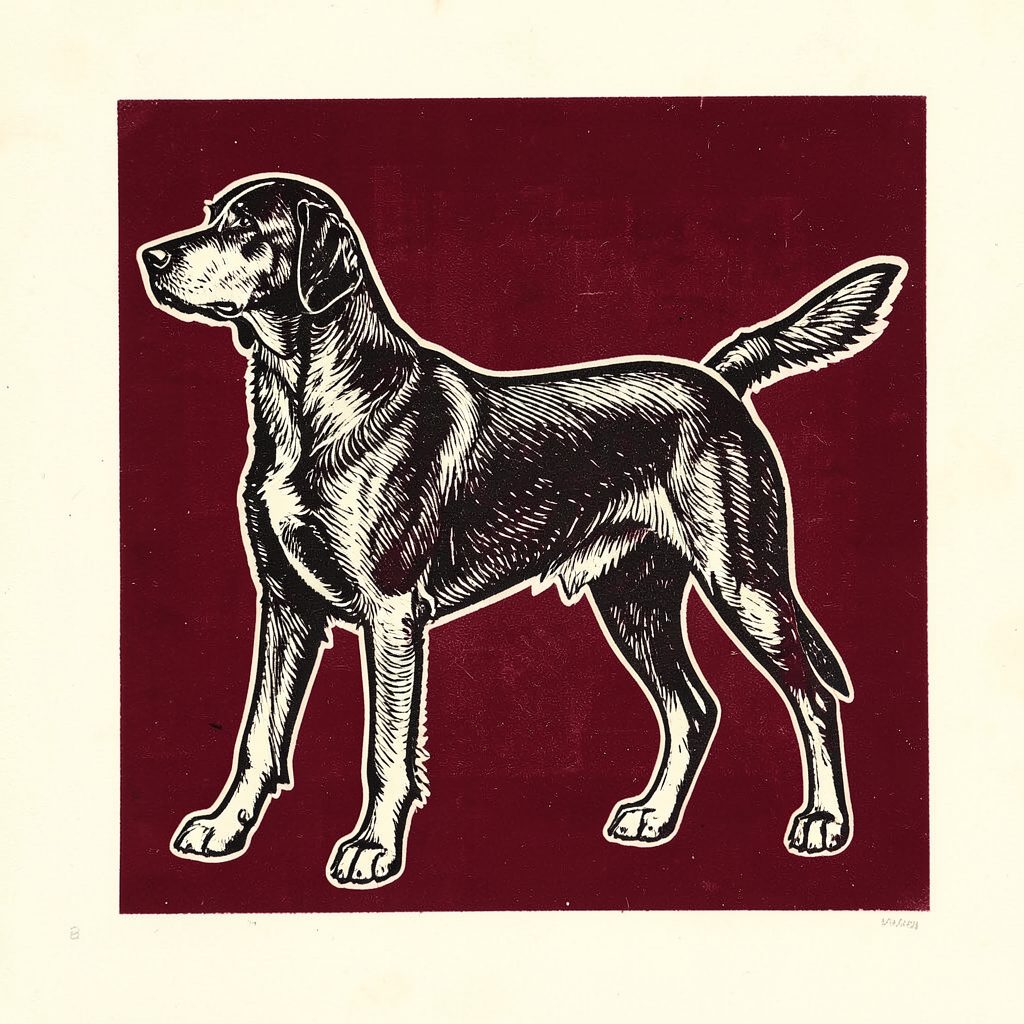
Why your dog needs a routine and how to establish one
Dogs learn from repeated signals. When meals, toilet breaks, walks, training and rest occur in a recognisable order, your dog has a reliable map of the day. This predictability supports housetraining, appetite, sleep and safer handling while reducing uncertainty that can appear as pacing, barking or destructive chewing.
A routine is not a rigid timetable imposed on the dog. It is a flexible sequence of dependable habits that still allows for weather, energy, age and unexpected events. The aim is to make daily care easier for both ends of the lead and help your dog feel secure as the household moves from one activity to the next.
A stable rhythm reduces uncertainty
Consistency gives your dog useful cues. A toilet break soon after waking, breakfast at a familiar time and a walk at the beginning and end of the day become signals for where to toilet, when to eat and when to settle. Over time, these predictable connections make ordinary household life easier to navigate.
A stable routine also supports better communication. If your dog always settles on a mat after a walk, you can use that cue when guests arrive. If training follows a meal, your dog quickly associates the start of a session with an expectation of praise, rewards and focused activity. Clear routines reduce unnecessary repetition because each part of the day naturally prompts the next.
Shared expectations matter in a household with several people. Agree on the main waking, feeding, exercise and bedtimes, and keep the same verbal cues and reward methods. Different rules confuse a dog, particularly during the sensitive period of learning a new routine.
Start with the daily essentials
Begin with a small set of dependable anchors: waking time, breakfast, a toilet break, exercise, dinner and bedtime. Exact minutes are less important than keeping their order reasonably consistent. Puppies need more frequent toilet breaks, while adult dogs generally benefit from regular opportunities throughout the day. Reward outdoor elimination calmly and return indoors without turning every break into an extended play session.
Meals should also have a predictable place in the daily sequence. Measure portions, provide fresh water and avoid changing a dog’s diet suddenly. If your dog tends to become overexcited during meals, serve dinner after exercise or divide it into several smaller portions. For dogs with medical needs, a veterinarian can help determine the most suitable feeding and toileting pattern.
Record the routine for the first week or two. Note the times of toilet breaks, meals, walks, naps and any restless behaviour. This simple log reveals patterns that are easy to miss during a busy day. West Volusia Kennel Club in DeLand, Florida, promotes this wider culture of responsible ownership through training, breeder referrals, education and community events, including its adoption listings. Australian readers can apply the same questioning standard when approaching local shelters, rescue groups and responsible breeders.
Build movement around your local area
Daily movement should suit your dog’s age, fitness and breed. A short sniff walk, gentle play and a few training exercises can be more useful than one prolonged outing, especially for busy dogs in cities. Mental stimulation also tires a dog, so allow time to investigate scents, watch the environment and search for food rather than encouraging constant physical exertion.
Dense neighbourhoods in Sydney and Melbourne require particular attention to shared spaces. Apartment dogs may need toilet breaks before elevator journeys, calm elevator practice and exercise in a suitable green space. Owners living in busy urban areas often rely on local dog walkers, daycare centres or trainers to provide enrichment on workdays. These services form a significant part of Australia’s pet-care market and should be selected based on staff qualifications, handling practices and supervision.
Local council rules determine where dogs may be off-leash, while temperature changes affect when outdoor exercise is safe. In Brisbane, for example, early-morning and evening walks usually offer relief from the hottest part of the day. Check pavement temperature, carry water and move exercise indoors during severe heat. Regional areas may have fewer dog parks, making a familiar quiet route or supervised training session a valuable alternative.
Add training, play and social contact
Short training sessions fit naturally into everyday walks. Ask your dog to notice its name, look at you, sit, wait and leave items you hold. Reward desired behaviour promptly and keep sessions brief enough to maintain attention. Obedience training gives your dog a clear way to understand requests, while regular reward-based classes can help owners refine their technique and address household habits.
Play provides both exercise and communication. Tossing a toy, playing hide-and-seek or letting your dog search for scattered treats exercises problem-solving and body control. Use appropriate indoor activities on wet or dangerously hot days. These routines also reveal your dog’s preferences, helping you match enrichment to its personality rather than relying on one standard activity for every dog.
Children can benefit from a predictable routine because calm periods make safer interactions possible. Adults should supervise early meetings, prevent children from approaching while the dog eats or rests, and teach them to give the dog space. West Volusia Kennel Club’s advice on introducing dogs to children offers useful guidance for those first encounters. The club’s Prison Pups N Pals community programme also demonstrates how patient routines and reward-based handling can support dogs adjusting to new environments.
Adjust for age, weather and health
A routine must change as a dog matures. Puppies need additional toilet breaks, shorter activity periods and frequent naps. Adult dogs benefit from consistent exercise and regular mental challenges. Senior dogs may require softer ground, gentler routes, more rest and easier access to water. Watch how your dog responds and shorten or modify activities when fatigue appears.
Changes in appetite, thirst, elimination, mobility, sleep or behaviour can indicate discomfort or illness. Keep an up-to-date record of normal patterns so unusual changes are easier to notice. Arrange veterinary care promptly when concerning signs appear, and ask your veterinarian how exercise, medication or home conditions should affect the daily schedule. A routine provides useful structure, but it should never replace professional advice.
Australian pet owners commonly use pet insurance, boarding, grooming and daycare services, and each plays a role in maintaining care during travel or illness. Compare policies, excesses, waiting periods and exclusions rather than treating insurance as a replacement for preventive care. For owners planning holidays, a familiar carer or boarding facility should receive the same routine instructions, reward methods and emergency contacts used at home.
Keep the routine flexible and review it
Review the schedule regularly using your notes and your dog’s response. Are toilet breaks happening at suitable times? Is the dog sleeping peacefully? Is exercise improving behaviour without causing excessive fatigue? Small adjustments can prevent an inconvenient routine from becoming a source of stress. The goal is dependable patterns, not perfect obedience to a timetable.
Plan for the days when plans change. Keep a mat, chew, food puzzle or other safe activity available for unexpected visitors, extra weather or shifts in the household. Invite a second adult to follow the same cues, and leave written instructions for carers who are less familiar with your dog. Flexibility works best when the essential anchors remain recognisable even when their timing shifts.
The practical takeaway is to protect the daily sequence of care, exercise, rest and enrichment while adjusting each part to your dog’s age, health and surroundings.