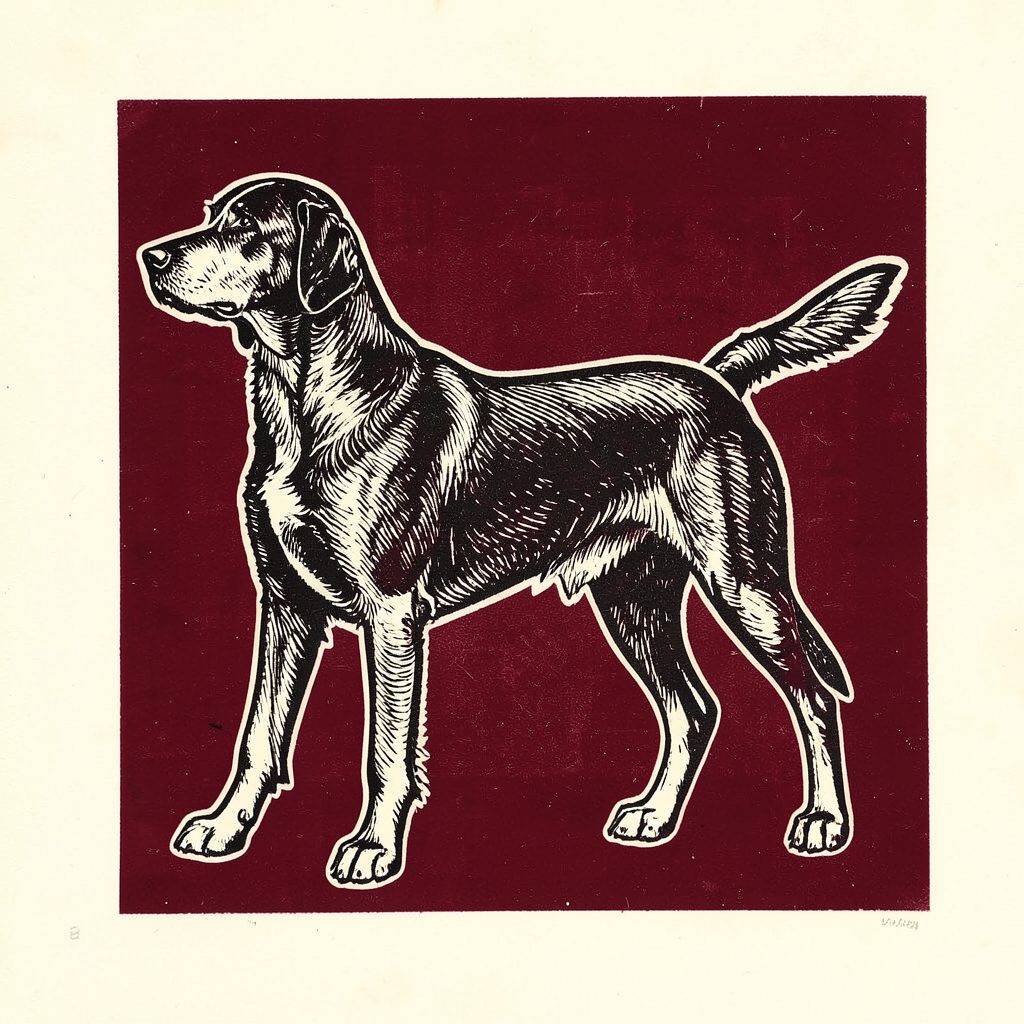
Exploring AKC Standards Across Different Dog Breeds
The American Kennel Club (AKC) breed standard is the written blueprint used to describe a breed’s ideal appearance, movement, temperament, and working ability. It gives judges, breeders, exhibitors, and owners a shared language for understanding what makes a Golden Retriever different from a Dachshund, a Boxer, or a Poodle.
A standard does not describe one perfect dog or demand mechanical uniformity. Instead, it outlines the qualities that best represent a breed’s history and purpose. Some details concern measurable structure, while others involve balance, expression, carriage, or behavior.
For dog owners in DeLand and throughout West Volusia County, learning how standards work can make conformation events, obedience training, breeder conversations, and responsible ownership more rewarding. The West Volusia Kennel Club helps connect local enthusiasts with these educational and sporting traditions.
What A Breed Standard Defines
Every AKC-recognized breed has a distinct standard developed around its original function and heritage. A Border Collie standard reflects the agility, intelligence, and controlled intensity expected of a herding dog. A Greyhound standard emphasizes aerodynamic structure and speed. A Newfoundland standard describes the strength and temperament required of a water rescue and working dog.
Most standards cover general appearance, size, proportions, head, neck, body, forequarters, hindquarters, coat, color, gait, and temperament. The order and wording can vary, but the purpose remains consistent: to describe a healthy, functional representative of the breed.
The standard is also a preservation tool. It helps maintain traits that distinguish one breed from another while discouraging exaggerated features that could interfere with comfort, health, or performance. Responsible breeders use it alongside health testing, pedigree research, and careful evaluation of individual dogs.
How AKC Standards Are Organized
The opening section often summarizes the breed’s overall character. This may include its size, substance, balance, carriage, and intended role. Terms such as “moderate,” “powerful,” “elegant,” or “compact” are meaningful because they establish the visual impression a judge should see when viewing the dog as a whole.
Measurements matter, but proportions matter just as much. A breed may call for a body slightly longer than tall, a nearly square outline, or a deep chest paired with a short back. These relationships affect balance and movement. A dog that meets a height range but lacks the correct proportions may still depart significantly from the ideal.
Standards also distinguish essential traits from minor preferences. A serious structural fault can affect soundness or working ability, while a small cosmetic variation may have limited impact. Judges interpret the complete dog rather than awarding points through a simple checklist.
Comparing Structure Across Breeds
The clearest way to understand breed standards is to compare how they prioritize different physical features. The same quality may be desirable in one breed and unsuitable in another because each dog was developed for a different task.
| Breed | Historical Function | Key Structural Emphasis | Typical Movement Goal |
|---|---|---|---|
| German Shepherd Dog | Herding and service work | Strength, balance, angulation, firm back | Efficient, ground-covering trot |
| Dachshund | Hunting animals underground | Long, low body with strong forequarters | Free movement despite short legs |
| Greyhound | Pursuit by sight | Flexible spine, deep chest, long limbs | Smooth, fast, effortless stride |
| Bulldog | Companion and bull-baiting heritage | Compact body, broad head, substantial bone | Sound, deliberate, comfortable movement |
| Poodle | Water retrieving and companionship | Square outline, athletic structure, balanced carriage | Light, springy, coordinated action |
These contrasts show why judging a dog by a generic idea of beauty can be misleading. A long-backed Dachshund is not built like a square Poodle, and a Bulldog should not be expected to move like a Greyhound. Breed-specific quality depends on whether structure supports the dog’s purpose.
People attending a conformation show can learn a great deal by watching how exhibitors present dogs and how judges assess them. A practical guide to show judging critiques can help newcomers understand comments about toplines, reach, drive, balance, and breed type.
Head, Structure, And Movement
The head often carries strong breed identity. Ear placement, eye shape, muzzle length, stop, bite, and skull proportions vary widely. A Collie’s refined wedge-shaped head conveys a different type from the broad, powerful head expected in a Rottweiler. These details are evaluated as part of the whole dog rather than in isolation.
The body should support the animal’s intended work. A sporting dog generally needs room for lung expansion, stable joints, and efficient reach. A terrier may require compact strength and a flexible, sturdy body for going to ground. A toy breed may be small but should still display sound structure and confident carriage.
Movement reveals whether the parts work together. Judges watch the dog from the side, front, and rear to evaluate stride length, coordination, foot timing, and stability. Excessive action is not automatically better; the correct gait is the one that fits the breed and allows efficient movement without wasted effort.
Coat, Color, And Breed Identity
Coat descriptions can be surprisingly precise. A standard may specify texture, length, density, furnishings, feathering, or weather resistance. The double coat of a Siberian Husky serves a different purpose from the wiry coat of a Schnauzer or the curly coat of a Portuguese Water Dog.
Color rules also vary. Some breeds accept a broad range of colors and patterns, while others have narrow requirements. Markings may be preferred, permitted, or considered a fault. Certain colors can be associated with disqualification because they depart from the breed’s recognized type or may raise health concerns in particular genetic combinations.
Grooming should reveal the dog’s natural outline rather than disguise structural weaknesses. In conformation, trimming and presentation are expected in many breeds, but the finished appearance should remain consistent with the breed standard. Owners can use these details as a guide to coat care, seasonal maintenance, and realistic grooming commitments.
Temperament, Function, And Faults
Temperament is a central part of breed type. A well-bred Labrador Retriever should generally be friendly, stable, and willing to work. A guardian breed may be reserved with strangers but confident and controlled. A terrier may show alertness, determination, and lively energy. The ideal temperament must be interpreted in context rather than reduced to a single personality label.
The AKC standard can identify faults, major faults, and disqualifications. A fault is a departure from the ideal, while a disqualification is a condition that makes a dog ineligible for competition under that breed’s rules. These terms do not automatically define a dog’s value as a companion. A pet can be loving, healthy, and well trained while having a feature that would matter in the show ring.
Owners should also separate appearance from welfare. No standard should be used to excuse breathing difficulty, unstable movement, chronic skin problems, or other signs of poor health. Ethical breeding and responsible ownership place soundness, veterinary care, and quality of life at the center of breed preservation.
Applying Standards In Everyday Dog Life
A breed standard can help owners choose suitable activities and understand their dog’s natural tendencies. A retriever may enjoy scent games and water work, while a herding breed may thrive on rally, agility, or structured problem-solving. Matching enrichment to inherited abilities can support confidence and reduce frustration.
The standard is useful in training, too. Understanding a dog’s traditional purpose may explain why it watches movement, follows scent, guards resources, or seeks close partnership. Training should develop desirable instincts into reliable behavior through clear communication, reward-based methods, and appropriate boundaries.
For local families, club classes offer a constructive way to explore these differences. Conformation training develops handling and presentation, while obedience builds focus and cooperation. Community programs such as Prison Pups N Pals also demonstrate how thoughtful training can strengthen human-animal relationships beyond the show ring.
Practical Ways To Study Breed Standards
Reading the full document is more useful than relying on photographs or online summaries. Pay attention to words describing proportion, movement, temperament, and function, then observe several mature dogs rather than forming an opinion from one example.
- Read the AKC standard for the breed you own or are considering.
- Watch dogs move at a natural trot from multiple angles.
- Compare breed-specific terms with reputable educational materials.
- Ask experienced breeders, exhibitors, trainers, or club members to explain unfamiliar language.
- Treat health, stable temperament, and functional structure as essential priorities.
A knowledgeable local kennel club can make the learning process more approachable through shows, demonstrations, membership activities, and conversations with people who work with different breeds. The goal is greater understanding, not memorizing every technical phrase.
The AKC’s standards provide a valuable framework for recognizing breed history, structure, movement, and character. Explore an upcoming West Volusia Kennel Club activity, attend a conformation or obedience event, and use what you learn to become a more informed, responsible dog owner.