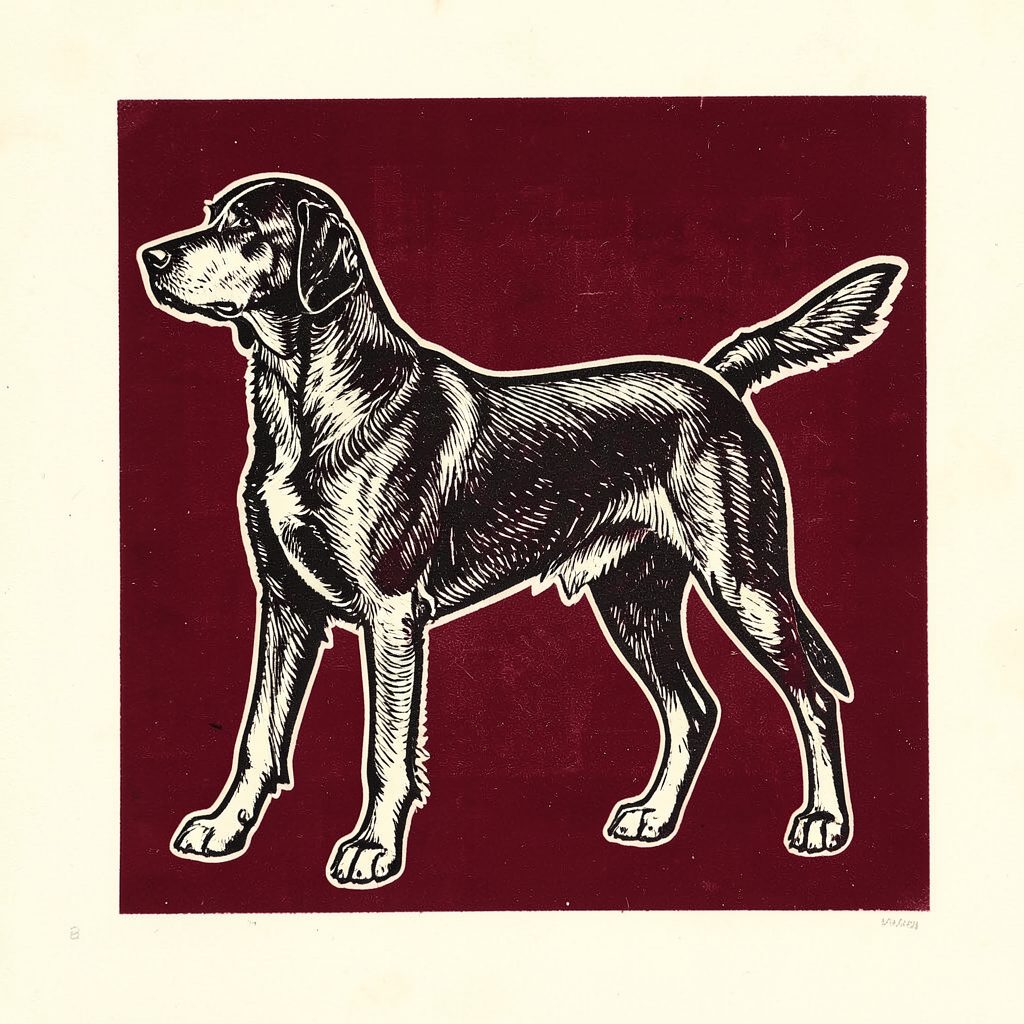
Introducing a Rescue Dog to Your Existing Pets
Adopting a rescue dog brings relief, curiosity and sometimes nervous tension into a settled household. A shelter background may include limited experience, uncertainty around other animals, fear-driven guarding or a need for quiet after moving. Rescue status does not predict the dog’s future behaviour, so the first days should be managed around what is known rather than what is hoped.
The safest process is gradual. Every animal needs space, predictable routines and a way to retreat without being cornered. Letting the newcomer observe from a protected area builds familiarity without forcing an immediate meeting, while careful supervision prevents a polite introduction from turning into a territorial conflict.
Prepare the home and gather details
Begin with the handover information. Ask the foster carer or shelter about feeding, medication, exercise, previous housemates and reactions to children, visitors or unfamiliar dogs. Veterinary records should cover vaccinations, parasite prevention, neutering and any treatment for anxiety or injury. Honest observations about food guarding, startle responses or avoidance are more useful than assumptions based on appearance.
Prepare a separate resting area before the dog arrives. Use a gate, closed door or wire partition to create a secure base with water, bedding and somewhere to hide. Keep the resident pets’ food bowls, chews, beds and resting spots in their usual places. A new dog should not immediately inherit the household’s best resources, particularly if it is likely to guard food.
Many Australian adopters meet shelter dogs through local council pounds or state-based RSPCA shelters. These organisations may provide valuable background information, but the same questions should still be asked. Find out whether the dog can eat beside another animal, settles after handling and has had calm indoor social contact. Individual history matters more than the label attached to the breed.
Establish scent, space and safety
Give the household time to adjust. Keep the rescue dog’s daily routine close to its new home while allowing the existing pets to hear and smell it without meeting. In a Sydney or Melbourne apartment, shared walls and narrow lifts can intensify barking or tension, so the newcomer’s room should feel secure and insulated from the busiest household areas.
Public outings come later, and their rules need checking. A Nederland venue notice is promotional information, not evidence that animals may enter; the same distinction matters when choosing a café, training hall or park in Australia. Even an outdoor venue may require leads, exclude unsocialised dogs or limit access during busy periods.
Equipment should support calm management rather than restraint. A well-fitted harness and lead give the handler better control without painful pressure. A properly conditioned basket muzzle can add protection when a dog has a documented bite risk, but it must be introduced gradually with rewards. In Brisbane’s humid summers or Perth’s hotter afternoons, indoor settling times and shaded walks are more comfortable than exercising during the hottest part of the day.
Use short controlled introductions
Begin with a scent exchange. Place a clean towel near the resident pets or collect bedding from the new dog’s room and allow each animal to investigate before direct contact. Some curiosity is expected; repeated sniffing, relaxed movement and an ability to disengage are encouraging signs. If either animal freezes, stares intensely or backs away, reduce the exposure rather than trying to increase it.
A barrier can then provide a supervised first meeting. Keep both dogs on leads, allow them to see and smell each other, and reward calm behaviour. If they appear comfortable, take a short parallel walk with two handlers before allowing a face-to-face greeting. Pulling, stiff bodies, repeated lunging or relentless staring mean the dogs need more distance. Walking away is better than pushing through a warning.
Once there is consistent calm behaviour, try a brief meeting in a neutral, open room. Avoid nose-to-nose introductions and crowded spaces. Let each dog choose whether to approach, and use a long line indoors if needed. Treat growling as information rather than disobedience: reward a pause, create distance and reassess the setup. Some resident dogs need more space, while others become anxious when the newcomer watches them constantly.
Support calm training and handling
Reward-based classes can turn a successful introduction into reliable household manners. West Volusia Kennel Club brings together adoption listings, conformation and obedience training, responsible-ownership activities and community work through its Prison Pups N Pals program. These resources are especially useful for owners who want support beyond the first week at home or help interpreting behaviour that changes over time.
West Volusia Kennel Club’s guide to calm stacking and handling gives adopters a practical example of rewarding a comfortable stand without force. Even dogs that will never enter a show ring can benefit from learning to accept brief, gentle positioning, because calm handling makes veterinary, grooming and everyday handling easier.
A veterinarian should review any history of injury, fear or aggression. A qualified behaviour professional may be valuable when guarding is severe, progress has stalled or an existing pet suddenly becomes withdrawn. Australia’s pet insurance market also warrants attention: compare accident-and-illness cover, waiting periods and exclusions for pre-existing conditions rather than choosing a policy only by its advertised monthly price.
Adjust gradually and protect the bond
Measure trust through behaviour rather than a fixed deadline. Look for relaxed bodies, shared spaces without conflict, successful eating and the ability to move away without pursuit. Progress can differ between pairs, and a calm relationship with one dog does not guarantee compatibility with another. A timeline measured in weeks is often more realistic than one measured in a single weekend.
Different stages call for different methods:
| Method | Best suited to | Main risk | Typical session |
|---|---|---|---|
| Scent exchange | Reducing novelty between unfamiliar dogs | Rushing or prolonged tension | About five minutes |
| Barrier greeting | Checking interest without full contact | Staring, lunging or refusing food | One to three minutes |
| Parallel walk | Allowing calm proximity in motion | Pulling or becoming fixated | Five to fifteen minutes |
| Supervised room meeting | Dogs already showing relaxed signals | Crowding, freezing or chasing | One to two minutes |
| Training class | Practising skills around other dogs | Overwhelm or too much distraction | A short first visit |
Expect the pace to change as the household settles. If one animal hides, eats alone, refuses food or begins guarding, return to separation and reassess. Dogs that fight should never be pushed into repeated unsupervised contact, and professional guidance is essential when aggression appears. The lesson to remember is simple: safe introductions depend on distance, calm rewards and consistent boundaries, so every animal can learn that a new arrival means security rather than loss.