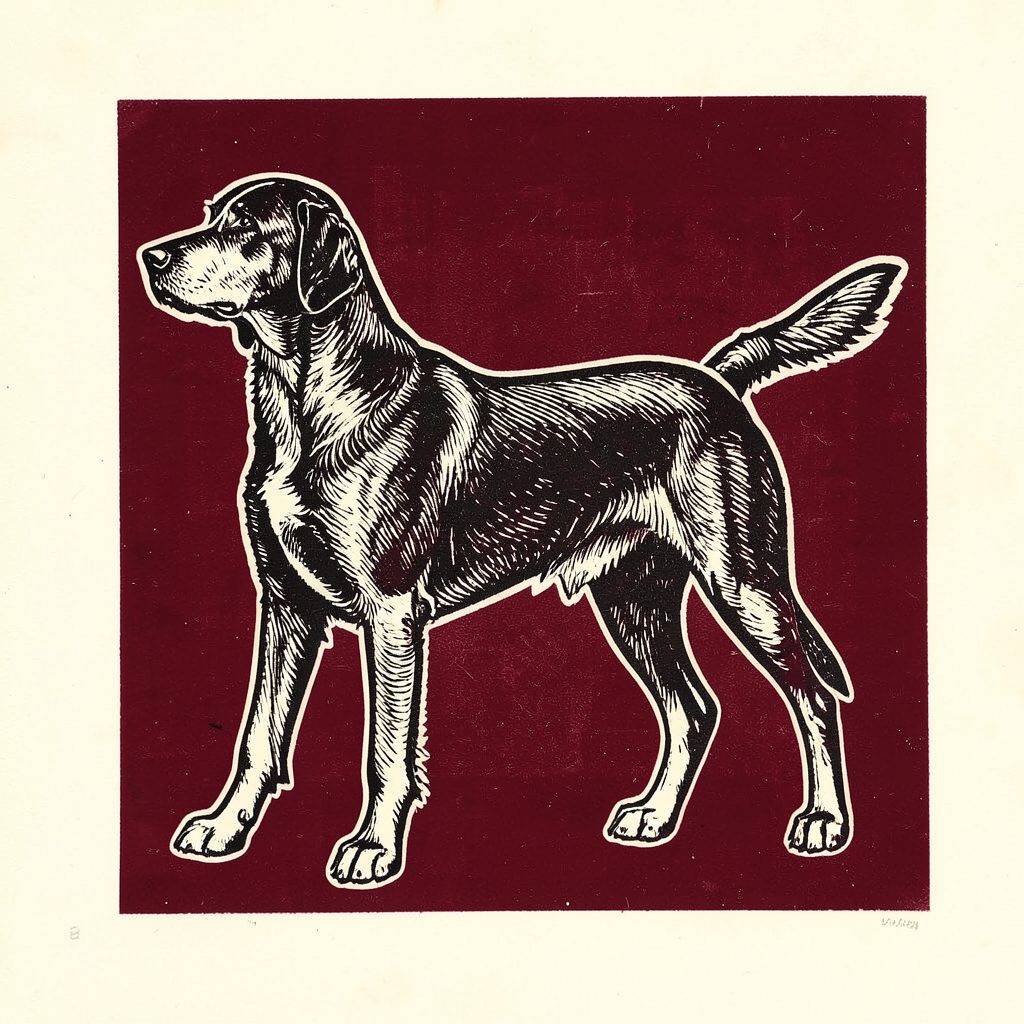
Helping Older Dogs Move Comfortably Every Day
Aging dogs often slow down gradually. A shorter stride, reluctance to climb stairs, stiffness after resting, or less interest in play may be early signs of arthritis or another health problem. These changes deserve attention rather than dismissal as a normal part of getting older.
A thoughtful routine can help a senior dog remain mobile and engaged. The most useful approach combines veterinary guidance, low-impact activity, weight control, nutritious food, and practical changes around the home. Each dog needs an individual plan, especially when pain, heart disease, kidney problems, or previous injuries are involved.
The goal is not to make an older dog perform like a puppy. It is to preserve comfortable movement, muscle strength, independence, and enjoyment while avoiding flare-ups.
Recognize discomfort before changing the routine
Canine arthritis commonly affects the hips, knees, elbows, shoulders, and spine. Watch for difficulty standing, limping, hesitation on slick floors, reduced grooming, irritability when touched, or a pattern of moving more freely after warming up. Some dogs hide pain, so small behavioral changes can be meaningful.
Record what you observe for several days. Note when stiffness appears, how long walks last, whether your dog struggles after exercise, and any changes in appetite or sleep. A veterinarian can use this information alongside a physical examination and may recommend X-rays, blood work, prescription pain relief, or joint-support strategies.
Do not start supplements, anti-inflammatory medication, or a demanding exercise program without professional advice. Human pain relievers can be dangerous for dogs, and even a product marketed for pets may be unsuitable when combined with another medication or health condition.
Make movement gentle and consistent
Regular, moderate exercise usually serves an arthritic dog better than occasional strenuous activity. Several short walks may be easier than one long outing. Begin slowly, stay on level surfaces, and choose softer ground when possible. Controlled leash walking helps prevent sudden turns, chasing, and overexertion.
Swimming or carefully supervised water exercise can reduce pressure on painful joints while supporting muscle activity. Not every dog is comfortable in water, and older dogs may tire or become chilled quickly. A canine rehabilitation professional can demonstrate safe exercises, balance work, and range-of-motion movements tailored to your pet.
Use your dog’s behavior as a guide. Mild tiredness can be expected, but increased limping, heavy panting, reluctance to continue, or worse stiffness later that day means the session was too demanding. Reduce duration and intensity, then discuss recurring problems with the veterinarian.
Training can support mobility when it emphasizes calm, controlled behavior rather than repetitive physical drills. Local owners can explore obedience training that builds communication and focus while allowing exercises to be adjusted for a senior dog’s abilities.
Support a healthy body weight
Extra weight places additional force on already painful joints. Even a modest reduction can improve comfort for some dogs, but weight loss should be gradual and monitored. Ask your veterinary team to identify an appropriate target weight, body condition score, calorie intake, and feeding schedule.
Measure meals instead of estimating portions, and count treats as part of the daily allowance. Small pieces of lean, dog-safe foods may be useful rewards, while rich table scraps can quickly add calories. Food puzzles and scent games can provide mental stimulation without requiring high-impact activity.
Senior dogs may benefit from diets formulated for their age, but there is no single food that suits every older pet. Nutritional needs vary with kidney function, dental health, allergies, muscle loss, and activity level. Look for complete and balanced food from a reputable manufacturer, and transition gradually to reduce digestive upset.
Compare everyday support options
| Need | Helpful choice | Avoid or monitor |
|---|---|---|
| Joint movement | Short, regular walks and gentle warm-ups | Long runs, jumping, and abrupt turns |
| Indoor traction | Rugs, runners, or nonslip mats | Bare tile, polished wood, and slippery stairs |
| Rest and recovery | Supportive orthopedic bedding in a warm area | Cold drafts and beds that are difficult to enter |
| Weight management | Measured meals and planned treats | Free-feeding and frequent table scraps |
| Outdoor comfort | Harness, shaded routes, and water breaks | Hot pavement and strenuous midday exercise |
| Veterinary support | Scheduled examinations and symptom notes | Sharing human medication or delaying care |
Home adjustments can make a major difference. Place food and water where your dog does not need to use stairs, and keep a comfortable bed near the family’s main living area. Ramps may help with vehicles or low steps, but introduce them slowly with rewards and never force a nervous dog to use one.
Nail length also matters because overgrown nails can change foot placement and make slippery surfaces harder to navigate. Keep nails trimmed with professional assistance if necessary. A well-fitted harness may provide better control than a collar when a dog has neck or spinal discomfort, though equipment should never be used to drag or lift a heavy animal.
Use nutrition and enrichment together
A senior dog still needs meaningful activities. Mental enrichment can reduce boredom without placing excessive stress on painful joints. Hide a few pieces of the daily meal around one room, offer a food puzzle suited to the dog’s abilities, practice gentle scent work, or teach stationary behaviors such as touching a hand target.
Joint supplements may contain ingredients such as omega-3 fatty acids, glucosamine, chondroitin, or green-lipped mussel. Research and product quality vary, and supplements can interact with medications or be inappropriate for certain conditions. Discuss the specific product, dose, and expected timeline with a veterinarian rather than relying on advertising claims.
Dental health deserves attention as well. Painful teeth can reduce appetite and make chewing difficult, while untreated oral disease affects overall well-being. Ask about safe dental care, particularly if your dog has trouble eating dry food or shows reluctance around the mouth.
For dogs listed for adoption, current images can help potential families understand the pet’s personality and condition. Guidance on clear dog photos can help caregivers present an older dog accurately without relying on misleading poses or outdated pictures.
Build a routine that can change
Arthritis is often variable. A dog may enjoy a comfortable morning walk and need a quieter afternoon, or become stiffer during cold, wet weather. Keep a simple record of activity, appetite, medication, sleep, and mobility so patterns become easier to identify.
A practical weekly plan may include:
- Two or three short, relaxed walks rather than one exhausting outing
- Gentle play on a nonslip surface, stopping before fatigue appears
- Measured meals with treats included in the daily calorie budget
- Daily checks of gait, posture, appetite, and willingness to rise
- Regular veterinary reviews when symptoms change or treatment is adjusted
Seek prompt veterinary attention for sudden inability to stand, severe pain, persistent vomiting, breathing difficulty, a swollen joint, or a dramatic change in behavior. Gradual stiffness still deserves care, particularly when it begins interfering with eating, toileting, sleep, or family interaction.
A senior dog can continue to enjoy training, companionship, and community life when activities are adapted with patience. West Volusia Kennel Club encourages responsible ownership and informed participation for dogs at every life stage. Use these ideas as a starting point, then schedule a veterinary assessment and create a daily plan that keeps your older companion moving safely and living comfortably.