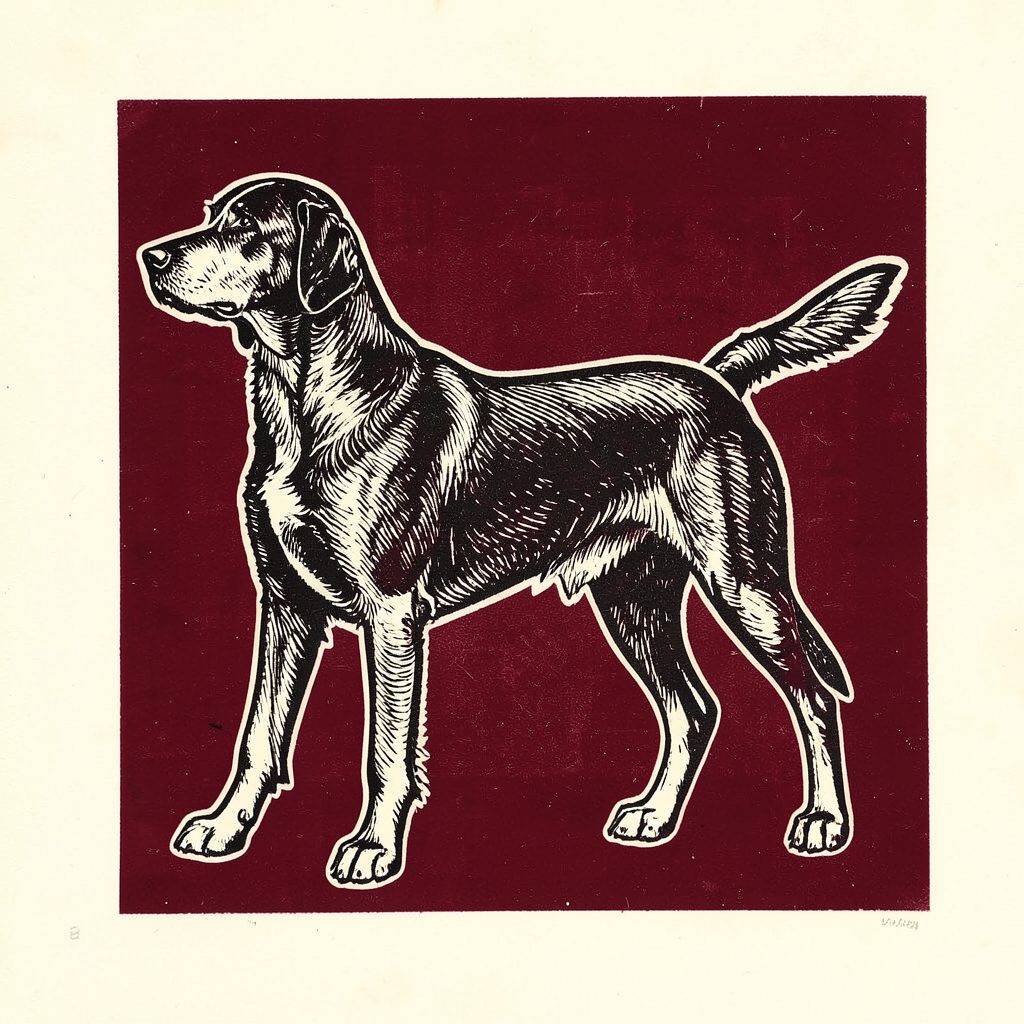
Why breed standards shape every championship in the show ring
A breed standard is the written blueprint that describes the ideal specimen of a recognised dog breed, covering everything from the shape of the skull to the carriage of the tail. Every reputable kennel club, including the Australian National Kennel Council which oversees conformation in this country, builds its judging system around these documents. Without a shared standard, two dogs of the same breed could not be meaningfully compared, and the show ring would lose its purpose.
The standard is not a beauty contest rulebook or a marketing brochure. It is a technical guide written by breed historians, veterinarians and experienced breeders, refined over decades or sometimes centuries, that captures the functional purpose of the dog. A standard for a kelpie describes the build needed to work sheep in the paddocks of rural New South Wales, while a standard for a Maltese captures the traits that have defined the companion dog for generations.
In the show ring, the standard becomes the only scorecard that matters. It tells the judge what to look for, what to reward, and what to penalise. Exhibitors who understand the standard, and who prepare and present their dogs accordingly, hold a clear advantage over those who simply hope for the best on the day.
The anatomy of a breed standard
Most standards follow a similar format that begins with general appearance and overall impression. The opening paragraph captures the silhouette and attitude that should hit the eye the moment the dog enters the ring. A judge at the Royal Melbourne Show will assess a Cavalier King Charles Spaniel's gentle expression in the same breath as it assesses its compact frame and silky coat.
After the introduction, the standard moves through specific anatomical regions. Head and skull, eyes, ears, mouth, neck, topline, body, tail, and limbs are each described in detail. Movement usually receives its own section, since soundness of gait reveals structural correctness. Coat colour, texture, and markings are spelled out with precision, often with permitted variations listed.
The closing paragraphs typically address temperament, size, and any disqualifying faults. Some standards add historical notes that explain why certain traits matter. Reading a standard aloud, you begin to hear the dog described, almost as if the breed architect were standing beside you pointing at every part.
From working past to show bench
Many breeds began as working partners, and their standards still reflect those origins. The Australian Cattle Dog standard, for instance, emphasises the muscular croup and strong hindquarters that allow the dog to drive cattle across long distances in the outback. When a judge evaluates movement in Brisbane, they are checking that the dog can still do the job it was bred for.
Other breeds were refined over centuries as companions, hunters, or guardians. Greyhound standards call for the deep chest and arched loin that produce the double-suspension gallop seen on tracks around Sandown and Angle Vale. The closer a dog comes to its standard, the more it embodies the breed's original purpose, even if it never performs that work in a modern home.
Understanding the historical context helps exhibitors appreciate why certain traits are non-negotiable. A loose eye or soft back in a working breed is not merely a cosmetic issue; it signals a dog that could not perform in the field. The standard ties the past to the present, and the show ring to the working yard.
Reading the standard at a show
| Element | What the standard describes | What the judge looks for |
|---|---|---|
| General appearance | Silhouette, balance, breed character | First impression, presence |
| Head and skull | Shape, stop, muzzle proportion | Breed-typical expression |
| Body and topline | Proportions, depth, back strength | Structural soundness |
| Movement | Reach, drive, topline carriage | Effortless, purpose-built gait |
| Coat and colour | Texture, length, permitted markings | Breed-authentic presentation |
| Temperament | Breed-appropriate behaviour | Stable, confident demeanour |
At a typical weekend show in Adelaide or Geelong, exhibitors arrive hours early to prepare their dogs. The standard guides everything from grooming to stack training. A handler who knows that the standard calls for a level topline will spend weeks teaching the dog to hold itself correctly on the board.
Judges carry their own copy of the standard, often marked with personal notes from years of assessment. They compare the dog before them to the written ideal, not to other dogs in the ring. This is why two dogs of the same breed, entered in the same class, can receive very different critiques from the same judge. The standard is the constant; the dogs are the variables.
How standards connect to health and temperament
A good standard does more than describe physical traits. It also captures the temperament that allows the breed to thrive in its intended role. The standard for the Labrador Retriever calls for a kind, even temperament, because the breed was developed to work closely with hunters in cold, wet conditions. A Labrador that shows nervousness in the ring is not just failing in personality; it is failing the standard.
Responsible breeders use the standard as a filter when planning litters. They select dogs whose structure, movement, and temperament match the written ideal, which over time reduces the incidence of heritable conditions. Australian state legislation, including Victoria's Domestic Animals Act and New South Wales' Companion Animals Act, requires breeders in many jurisdictions to comply with welfare codes that align with these breed goals. Standards therefore support both the show ring and the broader welfare system.
Prospective owners also benefit from reading the standard before bringing a puppy home. The document flags the energy level, grooming needs, and typical behaviour they should expect. Interpreting play signals becomes easier once you know what your breed was designed to feel and do.
Australian show culture and the ANKC framework
The Australian National Kennel Council is the peak body for purebred dogs in this country, and it works with state-based member bodies such as Dogs NSW, Dogs Victoria, and Dogs Queensland. Each state runs its own circuit of championship shows, and the highlight of the year for many is the Sydney Royal Easter Show or the Ekka in Brisbane. These flagship events draw thousands of dogs and tens of thousands of spectators.
Exhibitors at all levels learn to read the ANKC regulations alongside the breed standard. Group judging, best in show, and the special classes all follow a hierarchy that the standard supports. A dog that excels at the breed level may still be overlooked at group level if its type does not match what the group judge values. The standard keeps the system honest.
For newcomers, joining a local specialty club or all-breeds club is the fastest way to learn the unwritten rules of Australian showing. Mentors explain how the standard is interpreted in this country, where local conditions and breeding lines may differ slightly from those overseas. Enthusiasts who want to broaden their research can also explore online breed archives that preserve historical standards and photographs from around the world.
Judges, disqualifications, and faults
Every standard includes a list of faults, and many list disqualifications. A fault is a deviation from the ideal that costs the dog points in the judge's assessment. A disqualification is a trait so far from the standard that the dog cannot be awarded a championship, regardless of its other qualities. Common disqualifications include overshot or undershot bites in breeds where the standard calls for a level bite, and colours outside the recognised range.
Judges in Australia are required to undergo extensive training and examination before they can award challenge certificates. They must justify their decisions in writing for any dog that receives a major award. This accountability keeps judging standards high and protects the integrity of the ring.
Exhibitors who receive an unexpected critique should read it carefully and compare it to the standard. A note about a soft topline or a light eye is not a personal attack; it is guidance grounded in the breed blueprint. Studying these notes over a season is one of the best ways to grow as a handler and breeder.
Standards beyond the ring: community and education
Breed standards also underpin the work of community programmes that link dogs with people in need. Rescue organisations use the standard to assess whether a mixed-breed dog carries the traits of a recognised breed, which helps match animals with suitable homes. Welfare groups around Perth and Hobart have partnered with clubs to screen dogs using standard-based evaluations.
The Prison Pups programme relies on careful candidate testing to draw directly on the principles behind breed standards. Trainers look for stable temperaments, sound movement, and the kind of balanced structure that allows a dog to live a long, healthy life. The same values that win in the show ring help place the right dog with the right family.
For those who want to dig deeper, online breed archives and international kennel club publications offer historical standards, photographs of influential dogs, and commentary from breed authorities. Reading widely builds a richer picture of how the modern standard evolved and how it continues to adapt to contemporary breeding goals.
The standard is a living document, but its purpose is constant. It protects breed type, guides ethical breeding, supports welfare, and gives every dog and handler a fair benchmark in the ring. Treat it as a study guide rather than a rulebook, return to it whenever a critique raises questions, and use it to shape decisions long before the lead is picked up on show morning. The exhibitors who remember these points are the ones who walk into the ring with confidence and walk out with a clearer understanding of their breed, win or lose.